June 2025 in “British Journal of Dermatology” Tofacitinib was more effective than methotrexate for treating alopecia areata.
 February 2026 in “Journal of Microbiology and Biotechnology”
 Abietic acid from pine rosin can effectively fight and reduce harmful skin microbes.
 14 citations
,
March 2022 in “Journal of inflammation research”
14 citations
,
March 2022 in “Journal of inflammation research” Baricitinib shows promise as a new treatment for certain skin conditions like alopecia areata.
August 2021 in “Journal of the American Academy of Dermatology” Oral baricitinib is effective and safe for treating alopecia areata.
The conclusion is that a treatment called cp-asiAR can reduce hair loss and promote hair growth, making it a potential new therapy for androgenetic alopecia.
 2 citations
,
June 2017 in “Psychiatry and clinical psychopharmacology”
2 citations
,
June 2017 in “Psychiatry and clinical psychopharmacology” Stopping the antidepressant agomelatine improved hair loss in a patient.
 4 citations
,
September 2022 in “Dermatologic Therapy”
4 citations
,
September 2022 in “Dermatologic Therapy” Baricitinib helped some patients with tough-to-treat hair loss regrow hair, but more research is needed on its safety.
5 citations
,
July 2009 in “Experimental and Clinical Endocrinology & Diabetes” Nuclear AR levels give better insight into hormone effects in skin conditions.
 April 2023 in “Journal of Investigative Dermatology”
 Long-term Imiquimod treatment causes initial skin inflammation that lessens over time, and topical corticosteroids reduce this inflammation and cytokines in a mouse model of psoriasis.
 September 2024 in “Cureus”
 Guselkumab effectively treats skin reactions caused by adalimumab in certain conditions.
 October 2025 in “Electronic Theses and Dissertations Repository (University of Pisa)”
 Baricitinib effectively treated alopecia areata in 73% of patients, with minor metabolic changes and significant changes in inflammatory markers.
 17 citations
,
January 2015 in “MedChemComm”
17 citations
,
January 2015 in “MedChemComm” New treatments for prostate cancer are less toxic and show promise, but more research is needed to enhance their effectiveness and reduce side effects.
 November 2025 in “Mendeley Data”
 Using 5-alpha reductase inhibitors may lower prostate cancer risk in people with androgenetic alopecia.
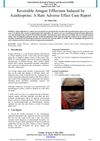 May 2025 in “International Journal of Science and Research (IJSR)”
 Stopping azathioprine led to full hair regrowth and recovery in 2.5 months.
August 2024 in “Scientia Horticulturae” AMF initially inhibits but later promotes citrus root hair growth by regulating auxin levels.
3 citations
,
May 2025 in “Carbohydrate Polymers” The new microneedle patch effectively treats alopecia areata with fewer side effects than oral medication.
1 citations
,
February 2022 in “Brain Research Bulletin” Finasteride may help reduce impulsivity caused by pramipexole.
5 citations
,
July 2024 in “Archives of Dermatological Research”  October 2023 in “International journal of rheumatic diseases”
 New treatments targeting the JAK signaling pathway, especially JAK inhibitors, show promise for alopecia areata.
 September 2024 in “Journal of the European Academy of Dermatology and Venereology”
 Baricitinib effectively reduces hair loss in severe alopecia areata with mild side effects.
 January 2025 in “American Journal of Translational Research”
 Erianin may effectively treat alopecia areata by targeting the immune system.
 November 2025 in “DOAJ (DOAJ: Directory of Open Access Journals)”
 The choice between belimumab and anifrolumab for treating lupus depends on the patient's specific symptoms.
52 citations
,
July 1998 in “Urology” Liarozole may be more effective than cyproterone acetate for treating advanced prostate cancer, with better PSA response and survival rates, while maintaining quality of life.
December 2025 in “Orvosi Hetilap” Baricitinib is effective and safe for treating alopecia areata.
November 2024 in “SKIN The Journal of Cutaneous Medicine” Baricitinib slightly increased cholesterol levels in alopecia areata patients, but these changes were manageable.
 September 2025 in “Australasian Journal of Dermatology”
 New medications could improve treatment for severe alopecia areata in Australia.
49 citations
,
February 2022 in “Drug Design Development and Therapy” Ritlecitinib shows promise for hair regrowth in alopecia areata patients.
 June 2018 in “The Journal of Sexual Medicine”
 Finasteride does not negatively affect male reproductive function.
August 2024 in “British Journal of Dermatology” Rezpegaldesleukin shows promise for treating severe alopecia areata.
 13 citations
,
November 2012 in “PubMed”
13 citations
,
November 2012 in “PubMed” 5α-reductase inhibitors may worsen sexual drive and spontaneous erections but don't worsen existing erectile or ejaculatory problems.