 1 citations
,
January 2026 in “Frontiers in Cell and Developmental Biology”
1 citations
,
January 2026 in “Frontiers in Cell and Developmental Biology” AI improves biomaterial design by making it faster, cheaper, and more effective for personalized medicine.
1 citations
,
October 2025 in “Journal of Clinical Investigation” Staphylococcus aureus delays wound healing by disrupting lipid metabolism in skin cells.
1 citations
,
September 2025 in “Viruses” Thrombophilic conditions may worsen Long COVID symptoms due to increased blood clotting.
1 citations
,
April 2025 in “Journal of Clinical Medicine” Hair loss in alopecia areata can negatively affect sexual quality of life.
 1 citations
,
December 2024 in “Bulletin of Osh State University”
1 citations
,
December 2024 in “Bulletin of Osh State University” Mercury can disrupt sex hormones and cause reproductive issues.
 1 citations
,
August 2023 in “International Journal of Molecular Sciences”
1 citations
,
August 2023 in “International Journal of Molecular Sciences” Platelet Rich Plasma-Derived Extracellular Vesicles show promise for healing and regeneration but need standardized methods for consistent results.
1 citations
,
April 2023 in “Scientific Reports” Self-assembling RADA16-I hydrogels with bioactive peptides significantly improve wound healing.
 1 citations
,
January 2023 in “Middle East Research Journal of Pharmaceutical Sciences”
1 citations
,
January 2023 in “Middle East Research Journal of Pharmaceutical Sciences” Acne is a chronic inflammatory disease that affects quality of life and needs better treatment strategies.
1 citations
,
January 2023 in “PubMed” PRP might help with hair growth, but the evidence is weak.
 1 citations
,
September 2017 in “Journal of Pathology of Nepal”
1 citations
,
September 2017 in “Journal of Pathology of Nepal” Testing hair roots with a special dye is a simple, non-invasive way to check disease progress in pemphigus vulgaris patients.
 1 citations
,
September 2016 in “Hair transplant forum international”
1 citations
,
September 2016 in “Hair transplant forum international” Dr. Muhammad Ahmad created a simpler system to better describe male pattern hair loss.
 1 citations
,
January 2016 in “Elsevier eBooks”
1 citations
,
January 2016 in “Elsevier eBooks” The document concludes that a complete skin restoration biomaterial does not yet exist, and more clinical trials are needed to ensure these therapies are safe and effective.
 1 citations
,
December 2013 in “Turkderm”
1 citations
,
December 2013 in “Turkderm” Use of cosmeceuticals during pregnancy and breastfeeding is not recommended due to insufficient safety data.
 1 citations
,
June 2012 in “Springer eBooks”
1 citations
,
June 2012 in “Springer eBooks” Acupuncture may improve reproductive and metabolic functions in PCOS without negative side effects, but more research is needed to confirm its effectiveness.
 1 citations
,
January 2012 in “Elsevier eBooks”
1 citations
,
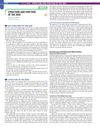
January 2012 in “Elsevier eBooks” The document concludes that the skin is a complex organ providing protection, sensation, and healing, with challenges in treating conditions like itchiness.
 1 citations
,
January 2009 in “Elsevier eBooks”
1 citations
,
January 2009 in “Elsevier eBooks” Anorexia Nervosa and Bulimia Nervosa are complex eating disorders with increasing incidence among young females, significant morbidity, and varying mortality rates, requiring more research for better treatment.
 1 citations
,
January 2006 in “Dermatologic Surgery”
1 citations
,
January 2006 in “Dermatologic Surgery” The SAFE System may reduce hair transplant transection rates but has been critiqued for not being as minimally invasive as claimed.
 1 citations
,
May 1999 in “Journal of The European Academy of Dermatology and Venereology”
1 citations
,
May 1999 in “Journal of The European Academy of Dermatology and Venereology” Treat hair loss with medicine, continue indefinitely.
1 citations
,
January 2025 in “Veterinary Medicine International” PRP shows promise for eye disease in animals but needs more research before being standard care.
 1 citations
,
January 2024 in “Cellular & Molecular Biology Letters”
1 citations
,
January 2024 in “Cellular & Molecular Biology Letters” Adipose-derived stem cells help heal burns but need more research.
1 citations
,
October 2022 in “Evidence-based Complementary and Alternative Medicine” Traditional Chinese Medicine may help treat hair loss but needs more research.
 1 citations
,
March 2020 in “Australasian Journal of Dermatology”
1 citations
,
March 2020 in “Australasian Journal of Dermatology” The paper concludes that recognizing bitemporal alopecia areata is important for early treatment and preventing its progression.
 1 citations
,
January 2015 in “Springer eBooks”
1 citations
,
January 2015 in “Springer eBooks” The document says a skin condition called alopecia areata causes hair loss and stress, and is treated with strong skin creams, injections, or other therapies, but treatment success varies.
 July 2026 in “Applied Sciences”
 Excimer laser therapy can help regrow hair in alopecia areata but is less effective for severe cases and has mixed results for cicatricial alopecia.
 May 2026 in “European Burn Journal”
 The scalp is a safe and effective donor site for skin grafts in children with burns.
 April 2026 in “The Open Biotechnology Journal”
 Resveratrol shows health benefits but faces challenges in effectiveness and regulation.
Acupuncture may help with hair regrowth in alopecia areata, but more research is needed.
 March 2026 in “Nature Communications”
 Genetic factors, skin barrier, immune function, and obesity influence risk of fungal skin infections.
 March 2026 in “International Journal of Homoeopathic Sciences”
 An integrative homeopathic approach may help manage acne, but more research is needed.
 February 2026 in “Cosmetics”
 Perifollicular elastolysis is poorly understood, with limited treatment options and inconsistent results.