 March 2026 in “JMIR Dermatology”
 Interest in JAK inhibitors for alopecia areata increased significantly after FDA approval, highlighting the need for patient education.
November 2025 in “Journal of Cutaneous Medicine and Surgery” JAK inhibitors are effective and safe for treating severe alopecia areata.
21 citations
,
October 2023 in “Journal of Dermatological Treatment” Baricitinib effectively reduces hair loss in severe alopecia areata and is generally safe.
 July 2023 in “Institutional Repositories DataBase (IRDB)”
 Malassezia species may contribute to hair loss in AGA patients.
 October 2023 in “Facial Plastic Surgery”
 The PHAT technique effectively rejuvenates lips and face.
 August 2025 in “American Journal of Clinical Dermatology”
 Clinicians should use evidence-based tools and consider mental health when assessing alopecia areata to guide treatment.
 April 2026 in “Applied Sciences”
 Succinic acid helps improve skin conditions like acne and rosacea.
1 citations
,
May 2024 in “International Journal of Molecular Sciences” Adenosine receptors could be promising targets for treating inflammatory skin diseases like psoriasis.
April 2020 in “The FASEB journal” Poncirin is a promising inhibitor of Janus Kinase 3, potentially better than tofacitinib.
 April 2018 in “Journal of Investigative Dermatology”
 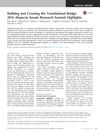 December 2017 in “The journal of investigative dermatology. Symposium proceedings/The Journal of investigative dermatology symposium proceedings”
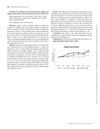
 The summit aimed to speed up finding treatments for alopecia areata.
 1 citations
,
June 2019 in “Current developments in nutrition”
1 citations
,
June 2019 in “Current developments in nutrition” A combination of arginine silicate complex and magnesium biotinate improves hair and nail growth in rats.
 April 2024 in “The Journal of urology/The journal of urology”
 5-alpha-reductase inhibitors lower PSA density but higher PSA density indicates disease progression.
 11 citations
,
July 2014 in “Gene”
11 citations
,
July 2014 in “Gene” The S250C variant in a gene may cause autoimmunity and immunodeficiency by impairing protein function.
May 2024 in “Drugs & Therapy Perspectives” New treatments like JAK inhibitors offer hope for better alopecia areata management.
6 citations
,
November 2023 in “Lara D. Veeken” Sexual dysfunction is common in autoimmune rheumatic diseases but often overlooked and needs better attention in care.
7 citations
,
January 2020 in “The journal of investigative dermatology/Journal of investigative dermatology” NIPP1 is important for healthy skin and could help treat skin inflammation.
1 citations
,
April 2023 in “Portuguese Journal of Dermatology and Venereology” JAK inhibitors are effective treatments for alopecia areata.
4 citations
,
November 1984 in “JAMA” Certain medications, like trimethoprim, can cause aseptic meningitis, especially in people with autoimmune conditions.
 October 2025 in “JEADV Clinical Practice”
 The name Janus is fitting for JAK inhibitors as they revolutionize dermatology treatments.
19 citations
,
August 2019 in “Dermatologic therapy” Janus kinase inhibitors show promise for treating alopecia areata but need more research for confirmation.
September 2023 in “Journal of the American Academy of Dermatology” Including special area involvement helps identify more psoriasis patients who may need systemic treatment.
February 2025 in “Australasian Journal of Dermatology”  2 citations
,
April 2023 in “Expert Review of Clinical Immunology”
2 citations
,
April 2023 in “Expert Review of Clinical Immunology” Baricitinib is effective as a treatment for severe hair loss.
 February 2026 in “Reports — Medical Cases Images and Videos”
 Upadacitinib may help regrow hair in children with alopecia areata and is generally safe.
107 citations
,
October 2022 in “Frontiers in Immunology” T cells and inflammation are crucial in atherosclerosis, with anti-inflammatory treatments showing promise.
22 citations
,
September 2020 in “Journal of the American Academy of Dermatology” Apremilast may be a promising long-term treatment for hidradenitis suppurativa.
30 citations
,
July 2009 in “Experimental and clinical endocrinology & diabetes” Cyproterone acetate effectively treats sexual disorders by reducing sexual functions and is generally well-tolerated.
 January 1995 in “Adolescent and pediatric gynecology”
 Mutations in the androgen receptor gene cause different levels of androgen insensitivity, making it hard to create simple tests for the condition.