Search
for
Sort by
Research
330-360 / 1000+ resultsresearch INIBIDORES DA JANUS QUINASE PARA O TRATAMENTO DA ALOPECIA AREATA
JAK inhibitors effectively treat severe alopecia areata with manageable side effects.
research Support Group Participation Among Patients With Alopecia Areata
Support groups help people with alopecia areata feel better emotionally, but more awareness and access are needed.

research Alopecia areata
Alopecia areata is an autoimmune condition causing hair loss, influenced by genetics, stress, and diet, and may be prevented by a high soy oil diet.
research 405 Recognition gap between patient and physician on disease severity and treatment satisfaction level for alopecia areata
Patients and doctors often disagree on alopecia areata severity and treatment satisfaction.
research BASP-Classification of Androgenetic Alopecia: Application Experience in Men
The M-type is the most common form of male hair loss, and the BASP-classification is easy for different medical professionals to use.
research Aconiti Lateralis Preparata Radix Activates the Proliferation of Mouse Bone Marrow Mesenchymal Stem Cells and Induces Osteogenic Lineage Differentiation through the Bone Morphogenetic Protein-2/Smad-Dependent Runx2 Pathway
Aconiti Lateralis Preparata Radix helps mouse stem cells grow and turn into bone cells faster than usual methods.
research Association between androgenetic alopecia and cardiovascular risk factors according to BASP classification in Korean androgenetic alopecia
Korean patients with androgenetic alopecia may have a higher risk of heart-related health issues and could benefit from early heart screening and healthier lifestyles.
research ACANTHOSIS NIGRICANS IN OBESE VERSUS NON-OBESE IN A TERTIARY CARE HOSPITAL ASSOCIATION WITH BMI AND CENTRAL OBESITY
Acanthosis nigricans is common in obese individuals, but not significantly linked to obesity type.
research Ambiance in Life International Scientific Journal in Medicine of Southern Caucasus
research Ambiance in Life International Scientific Journal in Medicine of Southern Caucasus
research Taiwanese Dermatological Association consensus on the diagnosis and management of alopecia areata
Experts recommend personalized treatment plans for alopecia areata, using corticosteroids and minoxidil for mild cases, and stronger medications for severe cases.
research Ruxolitinib Rescues Multiorgan Clinical Autoimmunity in Patients with APS-1
Ruxolitinib significantly improves multiple autoimmune conditions in APS-1 patients.
research Eyebrows and Eyelashes Regrowth Across Different SALT Response Thresholds in Patients with Alopecia Areata: Outcomes from the BRAVE AA Clinical Program
research Tratamiento con tofacitinib en adolescentes con alopecia areata
Tofacitinib treatment is used for teenagers with alopecia areata.
research Psychosocial Correlates of Young Females Suffering from Polycystic Ovarian Syndrome (PCOS)
Women with PCOS often feel anxious and distressed about their appearance, especially in social situations.

research Multi-target evaluation of Korean herbal compounds against the SRD5A2 / AR / beta-catenin axis for androgenetic alopecia: Boltz-2 cofold, ChEMBL-anchored ranking, ADMET-AI 107-endpoint safety panel, and pilosebaceous single-cell atlas-constrained prioritization of Saponin Re, Emodin, and Biochanin A
Biochanin A from soy is a promising and safe candidate for treating hair loss.
research Circulating and/or cutaneous irisin resistance: A novel link among androgenetic alopecia, comorbid metabolic syndrome and cardiovascular risks
Androgenetic alopecia is linked to higher cardiovascular and metabolic risks, possibly due to irisin resistance.
research The Alopecia Areata Investigator Global Assessment scale: a measure for evaluating clinically meaningful success in clinical trials
The AA-IGA scale reliably measures treatment success in alopecia areata by considering both clinician and patient views.
research A phase IIA randomized, placebo-controlled clinical trial to study the efficacy and safety of the selective androgen receptor modulator (SARM), MK-0773 in female participants with sarcopenia
MK-0773 safely increased muscle mass but did not improve muscle strength or function in elderly women with sarcopenia.
research Therapeutic Androgen Receptor Ligands
Androgens and SARMs play a role in body mass, frailty, skin health, and hair growth, and are used in treating prostate cancer, acne, and hair loss, with potential for new uses and improved versions in the future.
research Comparison of two ASC-derived therapeutics in an in vitro OA model: secretome versus extracellular vesicles
ASC-CM is more effective than EV for treating osteoarthritis.
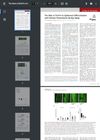
research The Role of EAAT4 in Epidermal Differentiation and Calcium Homeostasis during Aging
EAAT4 decreases with age, harming skin function and calcium balance.
research Prevalence of autoimmune diseases and other comorbidities in patients with psoriasis in the United States
People with psoriasis have more health problems, including autoimmune diseases, than those without it.

research DERMOSCOPY IN FEMALE ANDROGENETIC ALOPECIA
Dermoscopy is a useful tool for diagnosing female pattern hair loss.
research Epidemiology of alopecia areata in Hispanic/Latinx patients
Hispanic/Latinx patients with alopecia areata often have it before age 40, with females and certain health conditions like rheumatoid arthritis more commonly affected.
research Enzalutamide/finasteride/goserelin/zoledronic-acid
research The IVIG treatment response in autoimmune polyendocrine syndromes type 2 with anti-GAD65 antibody-associated stiff person syndrome: a case report and literature review
IVIG therapy significantly improved symptoms in a patient with APS-2 and SPS.
research BH17 Bridging the gap: identifying dual-targeting therapies for patients with alopecia areata and coexisting immune-mediated inflammatory diseases
Dual-targeting therapies like Janus kinase inhibitors may treat both alopecia areata and other immune diseases.
research Extraction, Isolation, Characterization, and Biological Activity of Sulfated Polysaccharides Present in Ascidian Viscera Microcosmus exasperatus
Sulfated polysaccharides from Microcosmus exasperatus may help treat cancer without causing blood thinning.