June 2026 in “British Journal of Dermatology” Hair transplants may trigger frontal fibrosing alopecia.
January 2021 in “대한본초학회지(본초분과학회지)” Achyranthis Radix ethanol extract helps hair grow.
 2 citations
,
January 2023 in “BioMed Research International”
2 citations
,
January 2023 in “BioMed Research International” Beetroot extract nanogel may help treat hair loss caused by testosterone.
23 citations
,
January 2016 in “Clinical & Biomedical Research” Dermatophytoses are common fungal infections treated with antifungal medications, but resistance is a concern.
 15 citations
,
November 2017 in “Drug Delivery and Translational Research”
15 citations
,
November 2017 in “Drug Delivery and Translational Research” Certain extracts from Curcuma aeruginosa Roxb. and germacrone can boost the skin's absorption of minoxidil, a hair growth promoter, making it more effective.

Tinea capitis in adults often leads to misdiagnosis or delayed diagnosis due to atypical symptoms, requiring careful examination for proper treatment.
 3 citations
,
January 2015 in “Journal of clinical and diagnostic research”
3 citations
,
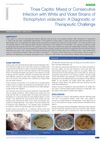
January 2015 in “Journal of clinical and diagnostic research” Treating a boy's scalp infection was challenging because two different colors of the same fungus appeared.
20 citations
,
August 2005 in “The Journal of laboratory and clinical medicine” Mice with damaged skin or hair follicles are more susceptible to anthrax infection.
 9 citations
,
May 2019 in “Journal of dermatological treatment”
9 citations
,
May 2019 in “Journal of dermatological treatment” Apremilast helps regrow hair in hard-to-treat alopecia areata.
 21 citations
,
July 2014 in “Antimicrobial Agents and Chemotherapy”
21 citations
,
July 2014 in “Antimicrobial Agents and Chemotherapy” Finasteride effectively prevents biofilm formation and treats preformed biofilms, but requires high doses.
 8 citations
,
July 2018 in “European Journal of Dermatology”
8 citations
,
July 2018 in “European Journal of Dermatology” A medication may help with hair growth in psoriasis, and a skin condition might be linked to a specific bacteria.
 March 2021 in “Jurnal Biomedik : JBM”
 Systemic antifungals are effective in treating skin fungal infections.
 May 2025 in “Lasers in Medical Science”
 Er: YAG laser treatment can help balance scalp bacteria in hair loss patients.
June 2026 in “Journal of Pharmaceutical Innovation” 
ACA from Alpinia galanga may prevent testosterone-related hair loss.

A new microneedle treatment shows promise for repigmenting skin in vitiligo.
 April 2023 in “Journal of Investigative Dermatology”
 The research developed methods to test drugs that could protect and restore hair follicle protection in a hair loss condition.
April 2024 in “International Journal of Women’s Dermatology” Lichen planopilaris should be considered in diagnosing scarring hair loss in Black women.
1 citations
,
July 2019 in “Small ruminant research” Nerve growth factor helps cashmere goat hair cells grow by activating a specific protein.
Effective management of alopecia in African Americans involves prevention, antibiotics, and anti-inflammatory treatments.
Genetic factors might cause fibrosing alopecia linked to hair shaft abnormalities.
 April 2024 in “Frontiers in microbiology”
 Certain gut bacteria may increase or decrease the risk of male pattern baldness.
4 citations
,
October 2023 in “Case Reports in Dermatology” Majocchi’s granuloma should be considered when rashes don't improve with typical treatments.
 23 citations
,
October 2005 in “Journal of The American Academy of Dermatology”
23 citations
,
October 2005 in “Journal of The American Academy of Dermatology” Two transplant patients on cyclosporine unexpectedly developed hair loss.
 34 citations
,
July 2011 in “Journal of Dermatological Treatment”
34 citations
,
July 2011 in “Journal of Dermatological Treatment” Curcuma aeruginosa extract combined with minoxidil effectively treats male-pattern baldness.
November 2025 in “OPAL (Open@LaTrobe) (La Trobe University)” Plant-based nanovesicles effectively deliver finasteride for hair regrowth in androgenetic alopecia.
 July 2023 in “Deleted Journal”
 Alopecia areata is the most common type of baldness treated with corticosteroids and minoxidil.
13 citations
,
August 1991 in “The Journal of the American Osteopathic Association” Inflammation may play a role in causing androgenetic alopecia.
 January 2024 in “Advanced Healthcare Materials”
 Using a special gel with copper and curcumin along with a scraping massage technique improved hair growth better than the common hair loss treatment, minoxidil.