 January 2022 in “Biocell”
 Mesenchymal stem cells and their secretions might help treat chronic skin inflammation in atopic dermatitis.
 5 citations
,
June 2019 in “British Journal of Dermatology”
5 citations
,
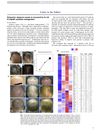
June 2019 in “British Journal of Dermatology” Tofacitinib was more effective than apremilast in treating hair loss in a mouse model of alopecia areata.
 26 citations
,
June 2018 in “The journal of immunology/The Journal of immunology”
26 citations
,
June 2018 in “The journal of immunology/The Journal of immunology” AIRE-deficient rats developed severe autoimmune disease similar to APECED, useful for testing treatments.
 1 citations
,
April 2020 in “medRxiv (Cold Spring Harbor Laboratory)”
1 citations
,
April 2020 in “medRxiv (Cold Spring Harbor Laboratory)” The study found that Tourette Syndrome may be linked to certain immune system processes and synaptic signaling.
20 citations
,
January 2023 in “Frontiers in Immunology” Skin-associated adipocytes help protect the skin from infections by supporting its immune barrier.
 March 2024 in “BMC cancer”
 High levels of ST14 and TMEFF1 proteins in ovarian cancer are linked to worse patient outcomes and may be a new treatment target.
11 citations
,
July 2012 in “Experimental dermatology” Innate immunity genes in hair follicle stem cells might have new roles beyond traditional immune functions.
26 citations
,
September 2009 in “Clinical genetics” Arab APS1 patients have unique and recurrent AIRE gene mutations.
 68 citations
,
November 2015 in “The Journal of Allergy and Clinical Immunology”
68 citations
,
November 2015 in “The Journal of Allergy and Clinical Immunology” Blocking IL-12/IL-23p40 helped reverse severe hair loss in patients.
November 2025 in “Cancer Cell International” Cancer-associated fibroblasts promote tumor growth in skin cancer.
September 2025 in “Immunological Reviews” The skin can independently form immune responses through special structures, offering new ways to treat skin diseases.
 130 citations
,
November 2017 in “Frontiers in Immunology”
130 citations
,
November 2017 in “Frontiers in Immunology” The conclusion is that Treg-targeted therapies have potential, but more knowledge of Treg biology is needed for effective treatments, including for cancer.
1 citations
,
August 2025 in “JDDG Journal der Deutschen Dermatologischen Gesellschaft” People with alopecia areata may have a higher risk of thyroid diseases.
 29 citations
,
January 2021 in “Translational Psychiatry”
29 citations
,
January 2021 in “Translational Psychiatry” The research suggests that Tourette syndrome is linked to both brain signaling and immune system pathways.
245 citations
,
October 2015 in “Nature medicine” Hair follicle-derived IL-7 and IL-15 are crucial for maintaining skin-resident memory T cells and could be targeted for treating skin diseases and lymphoma.
 107 citations
,
December 2003 in “Dermatologic Therapy”
107 citations
,
December 2003 in “Dermatologic Therapy” Interferon, especially alfa interferon, is an effective treatment for cutaneous T-cell lymphoma with manageable side effects.
July 1997 in “JEADV. Journal of the European Academy of Dermatology and Venereology/Journal of the European Academy of Dermatology and Venereology”  31 citations
,
May 2021 in “Journal of endocrinological investigation”
31 citations
,
May 2021 in “Journal of endocrinological investigation” APS-1 in Italy shows diverse AIRE mutations and various autoimmune issues.
 January 2023 in “International Journal of Zoological Investigations”
 Certain genetic variations in IL-16 may increase the risk of alopecia areata.
April 2016 in “Journal of Investigative Dermatology” Blocking certain proteins can significantly regrow hair in severe alopecia areata.
16 citations
,
December 2015 in “Journal of Investigative Dermatology” Alopecia areata involves persistent gene abnormalities and immune activity, even in regrown hair, suggesting a risk of relapse.
 September 2023 in “Research Square (Research Square)”
 TNC+ fibroblasts play a key role in skin inflammation by interacting with T cells.
 52 citations
,
March 2010 in “British Journal of Dermatology”
52 citations
,
March 2010 in “British Journal of Dermatology” Alopecia areata shows a unique type 1 interferon signature, suggesting potential treatment by targeting this pathway.
August 2024 in “Journal of the Egyptian Womenʼs Dermatologic Society” SOX10 in hair follicles is linked to inflammation in alopecia areata.
April 2023 in “Journal of Investigative Dermatology” Chronic graft-versus-host disease in the skin shows strong Th1 immune response and unique barrier issues.
 April 2026 in “Frontiers in Medicine”
 Farudodstat may help prevent hair loss in alopecia areata by stopping immune attacks on hair follicles.
January 2025 in “International Journal of Pharmaceutics” The treatment showed significant hair regrowth in alopecia areata patients without side effects.
43 citations
,
November 2009 in “Archives of dermatology” Alefacept does not effectively treat severe alopecia areata.
 November 2025 in “Clinical Cosmetic and Investigational Dermatology”
 Tattoos may trigger autoimmune symptoms in some people.
2 citations
,
August 2021 in “bioRxiv (Cold Spring Harbor Laboratory)” Skin stem cells help create protective immune cells during wound healing.