 35 citations
,
August 2010 in “The American journal of pathology”
35 citations
,
August 2010 in “The American journal of pathology” Researchers created a new mouse model for studying Citrullinemia Type I and similar conditions, showing symptoms and treatment responses like those in humans.
 July 2012 in “European journal of cancer”
 MPA increases cancer spread by boosting Eph A2 activity.
 5 citations
,
June 2023 in “BMC genomics”
5 citations
,
June 2023 in “BMC genomics” A specific gene mutation causes long hair in Angora rabbits.
May 2024 in “Archives of Dermatological Research” TAT-GILZ peptide promotes hair growth by boosting stem cell activity.
1 citations
,
November 2023 in “Anais Brasileiros de Dermatologia” Certain gene variations and low adiponectin levels may increase the risk of hair loss in Egyptians.
12 citations
,
June 2025 in “Gut Microbes” BroadAMP-GPT effectively creates antimicrobial peptides to fight drug-resistant bacteria.
 99 citations
,
August 2009 in “Nature Genetics”
99 citations
,
August 2009 in “Nature Genetics” Removing both Atr and Trp53 genes in adult mice causes severe tissue damage and death due to DNA damage.
 3 citations
,
April 2023 in “Frontiers in Pharmacology”
3 citations
,
April 2023 in “Frontiers in Pharmacology” ATP-sensitive K+ channel subunits, particularly Sur2A, play a significant role in various cancers.
20 citations
,
August 2003 in “Clinical and Experimental Dermatology” A new genetic mutation in the hairless gene causes a rare hair loss disorder.
Alpha-ketoglutaric acid may help treat aging and age-related diseases.
94 citations
,
October 1994 in “The Journal of Cell Biology” Too much keratin 16 in mice skin causes abnormal skin thickening and structure.
April 2025 in “Experimental Eye Research” The Oat mouse model shows mild retinal degeneration, useful for testing treatments.
85 citations
,
March 2008 in “Journal of Cell Science” The mutation causing Hutchinson-Gilford progeria syndrome leads to severe skin problems and early death in mice.
 March 2026 in “Frontiers in Veterinary Science”
 All-trans retinoic acid slows cell growth and increases cell death in goat hair follicles through a specific pathway.
May 2025 in “Texas Digital Library (University of Texas)” Extracellular ATP promotes growth, while adenosine inhibits it in Arabidopsis plants.
 34 citations
,
April 2018 in “EMBO journal”
34 citations
,
April 2018 in “EMBO journal” The protein SLC1A3 is important for activating skin stem cells and is necessary for normal hair and skin growth in mice.
 76 citations
,
April 2005 in “Cancer Epidemiology, Biomarkers & Prevention”
76 citations
,
April 2005 in “Cancer Epidemiology, Biomarkers & Prevention” E211 G>A gene linked to lower risk of severe prostate cancer and hair loss.
 August 2024 in “OSMANGAZİ JOURNAL OF MEDICINE”
 The visfatin GT genotype may increase the risk of Alopecia Areata.
1 citations
,
April 2021 in “IntechOpen eBooks” The PCR technique can identify genetic differences in a wool-related gene among different sheep breeds, which may help improve wool and pelt quality.
A new mutation in the CYP11B1 gene was found in a woman with mild hyperandrogenemia, a rare cause of non-classic congenital adrenal hyperplasia.
CCC1 is essential for ion balance and proper plant cell function.
 March 2011 in “European Urology Supplements”
 Gene variation affects prostate issues and hair loss.
 1 citations
,
June 2021 in “bioRxiv (Cold Spring Harbor Laboratory)”
1 citations
,
June 2021 in “bioRxiv (Cold Spring Harbor Laboratory)” GTL1 is needed to control root hair growth and prevent problems when there are too many nutrients.
148 citations
,
May 2012 in “The American Journal of Human Genetics” Cantú syndrome is caused by mutations in the ABCC9 gene.
 April 2023 in “The journal of investigative dermatology/Journal of investigative dermatology”
 Blocking a key energy pathway in human hair follicles can trigger stress responses that stop cell growth.
August 2009 in “Mechanisms of Development” 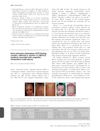 11 citations
,
September 2011 in “British Journal of Dermatology”
11 citations
,
September 2011 in “British Journal of Dermatology” New ABCA12 gene mutations were linked to a skin condition with scaling and hair loss, and a treatment helped with hair loss in a related case.
April 2018 in “Journal of Investigative Dermatology” Screening for the NUDT15 gene variant can prevent severe side effects from thiopurine drugs in East-Asian people.
 19 citations
,
November 1971 in “Clinica Chimica Acta”
19 citations
,
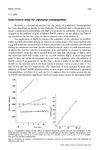
November 1971 in “Clinica Chimica Acta” The document concludes that measuring γ-glutamyl transpeptidase activity is more accurate with a higher substrate concentration and using diluted acetic acid to stop the reaction.
 September 2024 in “Journal of the American Academy of Dermatology”
 AH-001 could be a safer and more effective treatment for hair loss.