September 2025 in “Journal of the American Academy of Dermatology” Ritlecitinib may help treat alopecia areata by protecting hair follicles.
16 citations
,
August 2023 in “JAAD Case Reports” JAK inhibitors, like ruxolitinib, may effectively treat frontal fibrosing alopecia.
June 2011 in “British Journal of Urology” Regulatory challenges make developing combination therapies in urology difficult and costly.
 9 citations
,
August 2018 in “JAAD Case Reports”
9 citations
,
August 2018 in “JAAD Case Reports” Tofacitinib can temporarily improve hair growth in alopecia universalis, but its effectiveness may decrease over time.
 January 2016 in “The Australian Pharmacist”
 Tofacitinib might be used to treat hair loss.
July 2022 in “Journal of Cosmetic Dermatology” Isotretinoin with tacrolimus may be more effective short-term for treating frontal fibrosing alopecia than finasteride with tacrolimus.
 20 citations
,
March 2005 in “Current Medicinal Chemistry”
20 citations
,
March 2005 in “Current Medicinal Chemistry” New compounds show promise for treating hair loss, enlarged prostate, and prostate cancer, with some being more effective and having different side effects than current treatments.
 17 citations
,
January 2019 in “Dermatologic Therapy”
17 citations
,
January 2019 in “Dermatologic Therapy” Tofacitinib is effective and safe for long-term treatment of severe alopecia areata, with many patients achieving complete hair regrowth.
 February 2013 in “Journal of The American Academy of Dermatology”
 Using hair loss drugs finasteride and dutasteride may cause sexual side effects.
 350 citations
,
June 1989 in “The American Journal of Medicine”
350 citations
,
June 1989 in “The American Journal of Medicine” Itraconazole is potentially effective for treating invasive aspergillosis, but more research is needed.
 December 2025 in “Cureus”
 Using 5α-reductase inhibitors for hair loss may increase the risk of dry eye disease.
August 2013 in “Acta Ophthalmologica” Certain medications, hypertension, and short eye length increase the risk of Intraoperative Floppy Iris Syndrome during cataract surgery.
34 citations
,
April 2006 in “PubMed” Tamsulosin is a cost-effective treatment for BPH symptoms.
1 citations
,
April 2023 in “Heliyon” Disitamab vedotin and gemcitabine effectively treated bladder cancer without major side effects.
 May 2023 in “International Journal of Trichology”
 Tofacitinib effectively treated severe hair loss in a patient who didn't respond to other treatments.
April 2025 in “Journal of Reproductive Healthcare and Medicine” The RISUG-PH™ implant effectively delivers finasteride to the prostate through the vas deferens.
 5 citations
,
May 2020 in “Clinical and Experimental Dermatology”
5 citations
,
May 2020 in “Clinical and Experimental Dermatology” Clascoterone may be a promising treatment for hair loss.
 January 2024 in “Dermatologic therapy”
 Tofacitinib is a safe treatment for hair loss in children, but long-term use may be needed for best results.
February 2026 in “Annals of Case Reports” Tofacitinib helped a patient regrow hair after 40 years of total hair loss.
11 citations
,
June 2019 in “Journal of dermatology” New medicines that block a specific pathway are showing promise for treating severe hair loss but need more testing for safety and effectiveness.
245 citations
,
January 2010 in “Blood” Antihepcidin antibodies may treat inflammation-induced anemia by improving iron metabolism.
July 2003 in “Current Prostate Reports” Combining different treatments may be needed to effectively manage chronic prostatitis.
 89 citations
,
February 1993 in “Journal of Medicinal Chemistry”
89 citations
,
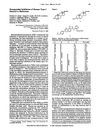
February 1993 in “Journal of Medicinal Chemistry” New compounds called benzoquinolinones may treat conditions linked to excess DHT.
 10 citations
,
November 2014 in “Sexual medicine reviews”
10 citations
,
November 2014 in “Sexual medicine reviews” Effective, well-tolerated, and affordable treatments are needed for recurrent ischemic priapism.
 April 2024 in “Expert opinion on emerging drugs”
 New treatments for male hair loss are being explored to improve effectiveness and reduce side effects.
January 2007 in “Frontiers in Medicine” Tofacitinib works well for treating alopecia areata, especially when combined with corticosteroids, but is less effective if the disease has lasted over 2 years.
 49 citations
,
January 1994 in “The Journal of Steroid Biochemistry and Molecular Biology”
49 citations
,
January 1994 in “The Journal of Steroid Biochemistry and Molecular Biology” RU 58841 may treat acne, hair loss, and excessive hair growth.
 January 2025 in “Journal of Cutaneous Immunology and Allergy”
 Baricitinib is effective for treating severe alopecia areata in Japanese patients, but long-term safety needs more study.
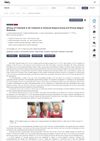
Tofacitinib may effectively treat hair loss and improve symptoms in autoimmune conditions like alopecia areata and Sjögren's syndrome, but long-term treatment might be necessary.
March 2005 in “European Urology Supplements”