8 citations
,
October 2013 in “Der Hautarzt” Androgenetic alopecia requires a personalized treatment plan and psychological support to improve quality of life.
Further trials are needed to explore the efficacy of triamcinolone acetonide in dermatology.
 March 2023 in “Photodiagnosis and Photodynamic Therapy”
 Low vitamin D levels are linked to severe and active alopecia areata.
12 citations
,
December 2011 in “Journal of Dermatological Science” The C-terminal tail of AHF/trichohyalin is essential for organizing keratin filaments in keratinocytes.
October 1995 in “Journal of The European Academy of Dermatology and Venereology” 1 citations
,
November 2025 in “Journal of the American Academy of Dermatology” 75 citations
,
September 1971 in “British Journal of Dermatology” Both steroids effectively promote hair growth for at least 9 months.
4 citations
,
December 2013 in “Journal of Investigative Dermatology Symposium Proceedings” 2 citations
,
May 2025 in “Diagnostics” ATR-FTIR spectroscopy could help monitor alopecia areata treatment response non-invasively.
January 2026 in “International Journal of Dermatology” Treatment improved scalp conditions and hair loss with no recurrence after 1 year.
 April 2026 in “Indian Journal of Dermatology”
 PRP and IT are equally effective for treating localized alopecia areata, but PRP causes more pain and bleeding.
15 citations
,
June 1961 in “Archives of Dermatology” Triamcinolone can regrow hair in alopecia areata, but the effect is temporary.
 January 2025 in “Surgical & Cosmetic Dermatology”
 Histopathological confirmation is crucial to accurately diagnose alopecia triangular temporal and avoid unnecessary treatments.
 19 citations
,
January 2011 in “Clinics”
19 citations
,
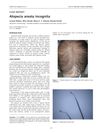
January 2011 in “Clinics” A young woman with a rare hair loss condition improved with steroid and biotin treatment.
 April 2020 in “Trends in Immunotherapy”
 Combining triamcinolone acetonide and immunotherapy can help regrow hair in some alopecia totalis patients.
Treatment improved symptoms in a woman with HAIR-AN syndrome.
 July 2010 in “Hair transplant forum international”
 The ABHRS held a test in Capri, Italy.
28 citations
,
September 1986 in “Pediatric dermatology” Zinc therapy improved hair health in a girl with acrodermatitis enteropathica.
 January 2017 in “Journal of clinical & experimental dermatology research”
 The case shows skin changes can indicate deeper health issues like insulin resistance, which are challenging to manage.
5 citations
,
January 2018 in “Indian Journal of Dermatology/Indian journal of dermatology” A woman got a skin rash from taking aceclofenac, which went away after she stopped the drug.
 March 2025 in “Meditsinskiy sovet = Medical Council”
 Dupilumab and oral JAK inhibitors are effective for treating alopecia areata with atopic diseases.
 11 citations
,
October 2018 in “Pediatric dermatology”
11 citations
,
October 2018 in “Pediatric dermatology” Leflunomide and anthralin may effectively treat severe alopecia areata.
11 citations
,
February 2022 in “JAAD case reports” Abrocitinib, a JAK inhibitor, may help treat atopic dermatitis and alopecia universalis together.
October 2001 in “Journal of the American Academy of Dermatology” Topical minoxidil and anthralin work for patchy alopecia areata but not for alopecia totalis/universalis.
 3 citations
,
June 1983 in “Archives of Dermatology”
3 citations
,
June 1983 in “Archives of Dermatology” Aminopterin effectively improves skin conditions but has toxic side effects that need careful monitoring.
14 citations
,
October 1974 in “Archives of Dermatology” Females with alopecia areata have more fingerprint arches.
 November 2023 in “Translational Medicine Communications”
 Derinat may improve hair growth and quality of life in hair loss patients by reducing oxidative stress.
 1 citations
,
June 2021 in “Journal of Endocrinological Investigation”
1 citations
,
June 2021 in “Journal of Endocrinological Investigation” Possible endocrine disorders caused woman's hair loss and obesity in painting.
July 2025 in “International Journal of Trichology” Intralesional methotrexate and triamcinolone acetonide are more effective than Vitamin D3 for treating alopecia areata.
 53 citations
,
January 2014 in “Journal of Cutaneous and Aesthetic Surgery”
53 citations
,
January 2014 in “Journal of Cutaneous and Aesthetic Surgery” Microneedling combined with triamcinolone can safely stimulate faster hair regrowth in people with Alopecia Areata.