 February 2026 in “Frontiers in Public Health”
 Alopecia areata is increasing globally, with disparities needing better prevention and support.
 February 2026 in “Medico Research Chronicles”
 Homeopathy improved hair growth, gut health, and emotions in a boy with Down syndrome.
 January 2026 in “Dermatology Practical & Conceptual”
 Triamcinolone acetonide is more effective than cryotherapy for hair regrowth in alopecia areata but has different side effects.
 January 2026 in “Medico Research Chronicles”
 Homeopathy improved hair growth, gut health, and emotions in a boy with Down syndrome.
 December 2025 in “Dermatology Reports”
 Topical ruxolitinib quickly improves non-segmental vitiligo.
 December 2025 in “ADMET & DMPK”
 Personalized treatments for hair loss focus on specific genetic and biological pathways.
 December 2025 in “Reports of Morphology”
 Men with alopecia areata have different body fat distribution compared to healthy men.
 November 2025 in “Journal of Pharmaceutical Research International”
 Ustekinumab and vedolizumab can help some ulcerative colitis patients with hair regrowth, but results vary.
 November 2025 in “Frontiers in Medicine”
 Baseline severity and relapse history affect alopecia areata treatment and recurrence.
 November 2025 in “Clinical Cosmetic and Investigational Dermatology”
 Tofacitinib is effective and safe for treating severe alopecia areata.
Higher air pollution increases the risk of alopecia areata.
 August 2025 in “PLoS ONE”
 Improving access to hidradenitis suppurativa care can reduce social disparities.
 August 2025 in “Frontiers in Immunology”
 People with alopecia areata have a higher risk of heart disease.
 June 2025 in “Reports of Vinnytsia National Medical University”
 Men with alopecia areata tend to have larger limb and trunk circumferences than healthy men.
 April 2025 in “Dermatology and Therapy”
 Significant, lasting hair regrowth is needed to improve how patients with Alopecia Areata feel about their condition.
 April 2025 in “PharmacoEconomics - Open”
 Patients with Alopecia Areata are willing to trade life duration for better quality of life.
 April 2025 in “Journal of the Faculty of Medicine Baghdad”
 Alopecia areata patients may have higher T3 and cortisol levels, suggesting a hormonal link.
 April 2025 in “Egyptian journal of Immunology”
 Calprotectin levels are higher in alopecia areata patients, indicating systemic inflammation.

Technology can improve sexual dysfunction in chronic disease patients but faces challenges like cost and accessibility.
 January 2025 in “SKIN The Journal of Cutaneous Medicine”
 Calcipotriol's effectiveness for treating alopecia areata is unclear and needs more research.
 January 2025 in “Acta Dermato Venereologica”
 Mothers with alopecia areata have a higher risk of adverse birth outcomes.
 January 2025 in “Journal of Rawalpindi Medical College”
 Alopecia Areata affects both genders almost equally, mostly on the scalp, with common signs like yellow dots and exclamation mark hairs, especially in young people.
 October 2024 in “La Tunisie Médicale”
 Over half of alopecia areata patients in Tunisia experience depression, highlighting the need for psychological support.
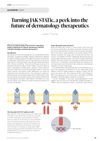 August 2024 in “New Zealand Medical Student Journal”
 JAK inhibitors show promise for treating skin diseases effectively and safely.
 July 2024 in “Dermatology and Therapy”
 Darker hair colors may increase the risk of alopecia areata, while lighter hair colors may decrease it.
Teprotumumab for thyroid eye disease commonly causes fatigue, brittle nails, dry eyes, hair loss, muscle spasms, and dry mouth, with rare serious events like blood clots.
Early-onset baldness is linked to genetics, lifestyle, and can indicate higher risk for heart and metabolic diseases, and affects mental health.
 March 2024 in “Clinical, cosmetic and investigational dermatology”
 Upadacitinib may effectively treat alopecia areata without side effects.
 January 2024 in “Dermatology practical & conceptual”
 Atopic dermatitis in kids with alopecia areata can predict poor response to topical immunotherapy.
 January 2024 in “American journal of clinical dermatology”
 Ritlecitinib is safe and well-tolerated for treating alopecia areata in patients aged 12 and older.