 January 2019 in “Current research in diabetes & obesity journal”
 A woman with type 2 diabetes developed alopecia areata, suggesting a link between the two autoimmune conditions.

Mesenchymal Stem Cell Conditioned Media can significantly regrow hair in alopecia areata patients.
 2 citations
,
December 2011 in “Annales de Dermatologie et de Vénéréologie”
2 citations
,
December 2011 in “Annales de Dermatologie et de Vénéréologie” 2011 dermatological research found new skin aging markers, hair loss causes, skin defense mechanisms, and potential for new treatments.

Nail changes in kids with stubborn alopecia areata often happen with longer illness but aren't linked to how much hair is lost.
 June 2023 in “Romanian Medical Journal”
 The case shows how hard it is to tell apart Multiple Autoimmune Syndrome from other similar autoimmune conditions, but correct diagnosis is key for treatment to work.
 18 citations
,
October 2014 in “Experimental Biology and Medicine”
18 citations
,
October 2014 in “Experimental Biology and Medicine” Eating vitamin A affects hair growth and health by changing cell signals in mice.
 21 citations
,
January 2024 in “Science Immunology”
21 citations
,
January 2024 in “Science Immunology” Regulatory T cells protect hair follicle stem cells by maintaining immune privilege in the skin.
 2 citations
,
January 2019
2 citations
,
January 2019 The document concludes that autoimmune skin disorders are treated with corticosteroids and immunosuppressive drugs.
1 citations
,
May 2015 in “Zeitschrift für Gastroenterologie” Autoimmune gastritis is a common cause of iron deficiency and should be included in diagnostic guidelines.
April 2026 in “Case Reports in Dermatology” Tofacitinib effectively treated a woman's complex autoimmune and autoinflammatory disorders.

Lichen planopilaris can occur with multiple autoimmune diseases.
 1 citations
,
December 2010 in “InnovAiT”
1 citations
,
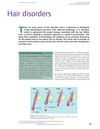
December 2010 in “InnovAiT” The document concludes that accurate diagnosis and appropriate management are crucial for treating various hair disorders, which have significant psychological impacts.
 1 citations
,
January 2014 in “Elsevier eBooks”
1 citations
,
January 2014 in “Elsevier eBooks” Melanocytes produce melanin; their defects cause vitiligo and hair graying, with treatments available for vitiligo.
91 citations
,
January 2010 in “Journal of Allergy and Clinical Immunology” NK cells play a role in skin diseases like eczema and psoriasis.
 December 2022 in “Türk biyokimya dergisi”
 The conclusions are: fecal short-chain fatty acids may help prevent cancer, fiber intake can reduce obesity, weight loss is hard for obese people, low BMI cancer patients are more prone to chemotherapy side effects, intermittent fasting benefits gut health, cherry laurel has health benefits in rats, certain gene variations can increase stress in hair loss patients, fecal acids can affect blood sugar levels, cold agglutinin can affect blood test results in autoimmune patients, and people with Crohn's disease have higher levels of a certain chemical in their blood.
12 citations
,
October 2024 in “Expert Opinion on Drug Discovery” New, effective treatments for alopecia areata require innovative approaches targeting the immune system.
38 citations
,
September 2004 in “Journal of Autoimmunity” Alopecia areata patients have more activated T cells in their blood, which may help in developing treatments.
13 citations
,
January 2013 in “Indian Journal of Dermatology Venereology and Leprology” Alopecia areata and vitiligo can coexist, respond well to treatment, and may have a better prognosis together.
3 citations
,
January 2025 in “BMC Medical Informatics and Decision Making” Machine learning can help find new ways to treat alopecia areata.
 4 citations
,
November 2023 in “Frontiers in immunology”
4 citations
,
November 2023 in “Frontiers in immunology” New treatments targeting T-cell pathways are needed for better alopecia areata management.
21 citations
,
April 2025 in “MedComm” Alopecia areata causes unpredictable hair loss, and more research is needed to fully understand and treat it effectively.
August 2009 in “Belarusian State Pedagogical University repository (Belarusian State Pedagogical University)” Alopecia areata in children is often linked to genetics, autoimmune issues, and stress, and is treated with corticoids or PUVA therapy.
October 2025 in “Science Advances” IFN-γ production by CD4 T cells is crucial for causing alopecia areata.
 January 2026 in “Forum Dermatologicum”
 JAK inhibitors and combination therapies show promise for treating severe alopecia areata.
November 2025 in “Journal of Investigative Dermatology” Alopecia areata requires addressing both emotional and financial challenges for better patient care.
 December 2024 in “Dermatological Reviews”
 New treatments for Alopecia Areata, like JAK inhibitors, are effective, and future research is exploring advanced therapies.
 November 2023 in “Research Portal Denmark”
 Baricitinib shows promise for severe alopecia areata but isn't a cure and has side effects.
 40 citations
,
August 2022 in “Frontiers in immunology”
40 citations
,
August 2022 in “Frontiers in immunology” Blocking JAK/STAT pathways can help treat hair loss from alopecia areata.
July 2025 in “Russian Journal of Clinical Dermatology and Venereology” Alopecia areata in children requires thorough diagnosis and treatment due to its impact on quality of life and link to other autoimmune diseases.
 2 citations
,
January 2023 in “Prague Medical Report”
2 citations
,
January 2023 in “Prague Medical Report” JAK inhibitors, like baricitinib, are effective and safe for treating alopecia areata.