 April 2026 in “International Journal of Homoeopathic Sciences”
 Alopecia areata is linked to thyroid diseases, and thyroid testing may help affected patients.
 January 2026 in “International Research Journal of Modernization in Engineering Technology and Science”
 Alopecia areata causes patchy hair loss and is often treated with corticosteroids.
January 2026 in “Zenodo (CERN European Organization for Nuclear Research)” Herbal remedies may help manage alopecia areata hair loss.
January 2026 in “Zenodo (CERN European Organization for Nuclear Research)” Herbal remedies might help treat alopecia areata, but more research is needed.

Hair and nail disorders can harm self-esteem, but early treatment helps.
November 2025 in “The Journal of Immunology” A humanized IL-2 fusion protein boosts T regulatory cells and helps control hair loss in Alopecia Areata.
February 2025 in “JEADV Clinical Practice” A rare autoimmune disease caused the woman's scalp blisters and hair loss, successfully treated with medication.
 January 2025 in “ACS Applied Materials & Interfaces”
 Nanoparticles with specific drugs can help regrow hair in alopecia areata.
January 2025 in “Updates in clinical dermatology” COVID-19 vaccines can cause minor skin reactions, including those related to Bullous Pemphigoid, but these usually resolve on their own.
 January 2025 in “Annals of Dermatology”
 COVID-19 vaccination may slightly increase the risk of hair loss, but benefits outweigh this risk.
January 2025 in “Updates in clinical dermatology” COVID-19 and its vaccine can cause skin issues, but most are minor and resolve on their own.
October 2024 in “Frontiers in Immunology” Pertussis toxin may contribute to hair loss in alopecia areata.
 September 2024 in “PubMed”
 Hair loss can be treated based on its type and cause, improving quality of life.
 May 2024 in “CRC Press eBooks”
 Children's hair loss can have various causes, including infections, autoimmune issues, physical stress, nutritional problems, and genetic factors.
 July 2023 in “Journal of Clinical Medicine”
 The document concludes that understanding hair follicle histology and the hair cycle is crucial for diagnosing alopecia.
 July 2023 in “Journal of the European Academy of Dermatology and Venereology”
 Hair loss can indicate various health issues, including serious diseases, hormonal imbalances, and can significantly affect personal life and mental health.

Modern skin cancer treatments can cause skin side effects and hair loss, affecting patients' quality of life.
 January 2023 in “Social Science Research Network”
 The document doesn't say if the treatment for hair loss worked.

Hair loss can be caused by hormones, illness, autoimmune disorders, or vitamin deficiencies, and treatments vary depending on the type.
 August 2022 in “Gene Reports”
 New hair loss treatments could be improved by using combined biological markers.
 July 2022 in “Dermatology Reports”
 Low zinc levels might be linked to worse outcomes in various skin disorders.
Skin diseases are common and need more specialized care.
 April 2021 in “International journal of advanced research”
 COVID-19 may cause hair loss conditions like alopecia areata and telogen effluvium.
April 2021 in “Zenodo (CERN European Organization for Nuclear Research)” Covid-19 may cause hair loss conditions like alopecia areata and telogen effluvium.

Different types of hair loss can be caused by hormones, stress, autoimmune disorders, illness, or nutritional deficiencies, and can be treated with medication, nutritional supplements, or hair transplantation.
 July 2018 in “Elsevier eBooks”
 The most common cause of hair loss in children is tinea capitis, followed by alopecia areata and telogen effluvium.

Skin changes can help predict thyroid diseases.
 January 2016 in “Journal of The Korean Medical Association”
 The document says how to diagnose and treat hair loss from alopecia areata, but there's no cure and treatments vary.
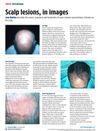 January 2015 in “Independent Nurse”
 Different scalp conditions can lead to hair loss or tumors, with treatments varying from creams to surgery; early detection is crucial.
January 2015 in “Rawal Medical Journal” Telogen effluvium is the main cause of hair loss in women in Karak, followed by androgenetic alopecia.