5 citations
,
November 2024 in “Biomedicine & Pharmacotherapy” The chitosan-peptide system helps cartilage regeneration using fat-derived cells.
17 citations
,
October 2023 in “Science Progress” Polycaprolactone and barium titanate composites show promise for use in biomedical applications.
 July 2023 in “Stem Cells Translational Medicine”
 Mesenchymal Stem/Stromal Cells (MSCs) help in wound healing and tissue regeneration, but can also contribute to tumor growth. They show promise in treating chronic wounds and certain burns, but their full healing mechanisms and potential challenges need further exploration.
115 citations
,
August 2020 in “International Journal of Molecular Sciences” A PRP concentration of 1.0 × 10^6 plt/μL is best for tissue repair.
213 citations
,
September 2020 in “Journal of Functional Biomaterials” Bio-based electrospun fibers improve wound healing but face production and regulatory challenges.
41 citations
,
January 2015 in “Burns & Trauma” Tissue engineering improves burn scar reconstruction by using skin substitutes and replacing damaged tissues.
8 citations
,
August 2025 in “Journal of Translational Medicine” CD44 signaling can help heal wounds without scars.
4 citations
,
January 2026 in “Micro” Bioinspired conductive materials and advanced bioprinting can improve tissue regeneration by creating smart, adaptable scaffolds.
4 citations
,
May 2025 in “Life” 3D bioprinting shows promise for better skin regeneration by creating structures similar to natural skin.
 January 2025 in “Medicina”
 Advanced techniques and technologies can improve burn wound healing, but more research is needed.
82 citations
,
May 2020 in “International Journal of Molecular Sciences” Injectable biomaterials can effectively regenerate dental tissues.
36 citations
,
August 2022 in “Molecular Therapy — Nucleic Acids” Gene therapy shows promise for healing chronic wounds but needs more research to overcome challenges.
 36 citations
,
April 2013 in “Cell and Tissue Research”
36 citations
,
April 2013 in “Cell and Tissue Research” Bone-marrow and epidermal stem cells help heal wounds differently, with bone-marrow cells aiding in blood vessel formation and epidermal cells in hair growth.
 2 citations
,
June 2016 in “Journal of skin and stem cell”
2 citations
,
June 2016 in “Journal of skin and stem cell” Wet cupping blood has different components than regular venous blood, which might affect skin disorder treatments.
 5 citations
,
January 2012 in “Journal of Tissue Science & Engineering”
5 citations
,
January 2012 in “Journal of Tissue Science & Engineering” Collagen membranes improve melanocyte growth for treating skin depigmentation.
 19 citations
,
December 2015 in “Journal of Materials Chemistry B”
19 citations
,
December 2015 in “Journal of Materials Chemistry B” Scientists have created a method to deliver specific cells that can regenerate hair follicles, potentially offering a new treatment for hair loss.
 6 citations
,
April 2022 in “Cellular and Molecular Life Sciences”
6 citations
,
April 2022 in “Cellular and Molecular Life Sciences” Angio PRP speeds up skin wound healing and reduces inflammation.
 11 citations
,
February 2022 in “Scientific Reports”
11 citations
,
February 2022 in “Scientific Reports” CD26+ fibroblasts improve skin healing and integration better than CD26− fibroblasts.
 43 citations
,
August 2008 in “Regenerative Medicine”
43 citations
,
August 2008 in “Regenerative Medicine” Scientists created early-stage hairs from mouse cells that grew into normal, pigmented hair when implanted into other mice.
 13 citations
,
November 2024 in “Frontiers in Microbiology”
13 citations
,
November 2024 in “Frontiers in Microbiology” Mesenchymal stem cells can help heal burn wounds and reduce scarring.
 41 citations
,
September 2017 in “Advanced Healthcare Materials”
41 citations
,
September 2017 in “Advanced Healthcare Materials” A special hydrogel helps heal skin without scars and regrows hair.
 1 citations
,
May 2002 in “British Journal of Dermatology”
1 citations
,
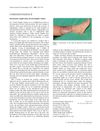
May 2002 in “British Journal of Dermatology” Hair loss caused by longer latent hair cycle and sudden miniaturization, not gradual follicle size reduction.
 May 2002 in “British Journal of Dermatology”
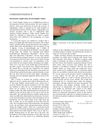
 A pregnant woman's skin condition improved after giving birth, possibly due to high estrogen levels during pregnancy.
 May 2002 in “British Journal of Dermatology”
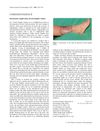
 Hair loss caused by longer latent hair cycle and sudden miniaturization, not gradual follicle size reduction.
 28 citations
,
September 2015 in “Wiener Klinische Wochenschrift”
28 citations
,
September 2015 in “Wiener Klinische Wochenschrift” New skin substitutes for treating severe burns and chronic wounds are being developed, but a permanent solution for deep wounds is not yet available commercially.
 15 citations
,
January 2020 in “ACS Applied Materials & Interfaces”
15 citations
,
January 2020 in “ACS Applied Materials & Interfaces” Nanofiber structure helps regenerate hair follicles.
 December 2013 in “Biomedical and biopharmaceutical research”
 Nanotechnology shows promise for better drug delivery and cancer treatment.
 47 citations
,
July 2013 in “Pharmacological Reviews”
47 citations
,
July 2013 in “Pharmacological Reviews” Regenerative pharmacology, which combines drugs with regenerative medicine, shows promise for repairing damaged body parts and needs more interdisciplinary research.
 16 citations
,
December 2019 in “Journal of Cellular and Molecular Medicine”
16 citations
,
December 2019 in “Journal of Cellular and Molecular Medicine” Sonicated platelet-rich plasma boosts hair growth by activating stem cells.
 23 citations
,
September 2015 in “PLOS ONE”
23 citations
,
September 2015 in “PLOS ONE” Mesenchymal stem cells, especially injected into the skin, heal wounds faster and better than chitosan gel or other treatments.