1 citations
,
January 2007 in “Zhōnghuá yàoxué zázhì” Ethosomes deliver finasteride through the skin more effectively than liposomes.
January 2019 in “FarFar - Pharmacy Repository” Microemulsions improve adapalene's skin absorption for better acne treatment.
 17 citations
,
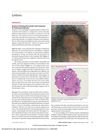
August 2019 in “JAMA Facial Plastic Surgery”
17 citations
,
August 2019 in “JAMA Facial Plastic Surgery” Some men lost hair after deoxycholic acid treatment for neck fat, but most saw improvement or resolution.
 37 citations
,
May 2016 in “Scientific Reports”
37 citations
,
May 2016 in “Scientific Reports” Combining skin cells with fat-derived stem cells can improve hair growth.
 September 2025 in “Clinical Case Reports”
 Adipose tissue-derived exosomes may help treat lichen planopilaris and preserve hair.
A new lipid-based formula using myristyl myristate can improve estradiol treatment for hair loss.
2 citations
,
June 2024 in “Frontiers in Immunology” 3D cultures can create active macrophages from fat tissue.
4 citations
,
February 2015 in “PubMed” The emu oil emulsion with minoxidil was better at promoting hair growth than the commercial product.
6 citations
,
December 2024 in “International Journal of Biological Macromolecules” The hydrogel improves burn healing by promoting tissue growth and reducing inflammation.
 July 2025 in “ACS Applied Materials & Interfaces”
 Ultrasound-activated gel with stem cell vesicles improves skin healing and regeneration.
1 citations
,
July 2021 in “Current nanomedicine” The new gel formulation for Acitretin improves topical delivery and reduces oral toxicity.
 26 citations
,
March 2014 in “International journal of pharmaceutics”
26 citations
,
March 2014 in “International journal of pharmaceutics” Researchers created a skin treatment that could effectively deliver medication into hair follicles.
 23 citations
,
January 2017 in “Current Rheumatology Reports”
23 citations
,
January 2017 in “Current Rheumatology Reports” Unique fat cells near fibrotic areas contribute to systemic sclerosis progression.
2 citations
,
November 2025 in “Cells” Adipose-derived stem cell secretome is a promising and effective treatment for skin repair.
July 2025 in “OPAL (Open@LaTrobe) (La Trobe University)” Ultrasound and GelMA hydrogel with stem cell vesicles improve skin healing and regeneration.
45 citations
,
January 2021 in “Stem Cell Research & Therapy” The combination of stem cell medium and hydrogel effectively reduces and improves hypertrophic scars.

Fat tissue can potentially treat a common form of hair loss called androgenic alopecia.
124 citations
,
November 2019 in “International Journal of Molecular Sciences” Standardized kits improve the quality and consistency of isolating stem cells from fat tissue.
8 citations
,
January 2024 in “Current Research in Food Science” Combining polysaccharides with alginate improves protection and release of pumpkin seed protein in digestion.
August 2024 in “International Journal of Biological Macromolecules” New gels using cellulose nanocrystals effectively deliver minoxidil to hair follicles, promoting hair regrowth.
35 citations
,
January 2006 in “Dermatology Online Journal” Lipedematous scalp may be underdiagnosed and doesn't improve with finasteride.
 124 citations
,
June 2020 in “Cell Stem Cell”
124 citations
,
June 2020 in “Cell Stem Cell” Fat cells in the skin help start healing and form important repair cells after injury.
 301 citations
,
February 2019 in “Nature Communications”
301 citations
,
February 2019 in “Nature Communications” The research found that different types of fibroblasts are involved in wound healing and that some blood cells can turn into fat cells during this process.
38 citations
,
March 2015 in “Journal of controlled release” IMSG nanoparticles improve vaccine delivery and immune response through hair follicles.
June 2017 in “Journal of the American Academy of Dermatology” The new cream is safe and effective for mild to moderate atopic dermatitis.
7 citations
,
June 2024 in “Skin Research and Technology” Combining treatments significantly reduces dark circles and wrinkles better than nanofat alone.
17 citations
,
August 2020 in “Stem Cell Research & Therapy” A 3D cell model can rejuvenate stem cells to improve wound healing.
 2 citations
,
January 2019 in “Case Reports in Dermatology”
2 citations
,
January 2019 in “Case Reports in Dermatology” A 66-year-old woman's thick scalp and hair loss were confirmed as lipedematous alopecia, a rare condition possibly influenced by genetics, with no effective treatment known.
 February 2024 in “International Journal of Biological Macromolecules”
 The study created a new type of microsphere that effectively regrows hair.
January 2026 in “Biomacromolecules” A new method using nanolipogels with fucosterol can help regrow hair by targeting follicles, reducing inflammation, and improving blood flow.