2 citations
,
December 2010 in “Zhonghua neifenmi daixie zazhi” AHST shows promise for treating type 1 diabetes but needs more research before widespread use.
 1 citations
,
December 2015 in “Journal of the Medical Sciences (Berkala Ilmu Kedokteran)”
1 citations
,
December 2015 in “Journal of the Medical Sciences (Berkala Ilmu Kedokteran)” Transplanting melanocyte stem cells from hair follicles can effectively treat vitiligo.
July 2026 in “Plastic and Aesthetic Research” Fat transplantation is becoming important in medicine for repairing tissues and delivering drugs.
 3 citations
,
May 2019 in “Cytotherapy”
3 citations
,
May 2019 in “Cytotherapy” ATIR101 improves survival in stem cell transplant patients; Australian stem cell treatment decisions are influenced by regulation changes.
September 2025 in “PubMed” Regenerative hair transplant improves hair growth and quality using stem cells.

Dr. Min's method for eyebrow and eyelash transplantation is effective, with most hairs regrowing, and proper recovery is crucial for success.
July 2017 in “DOAJ (DOAJ: Directory of Open Access Journals)” SVF-enhanced fat injections may effectively treat baldness by promoting hair growth.
April 2019 in “Institutional Repositories DataBase (IRDB)” Patient-derived stem cell melanocytes could be a promising treatment for vitiligo.
 91 citations
,
March 2011 in “Stem Cell Reviews and Reports”
91 citations
,
March 2011 in “Stem Cell Reviews and Reports” Human epidermal neural crest stem cells can become bone and skin pigment cells, making them useful for therapies.
 4 citations
,
November 2011 in “Archives of Dermatology”
4 citations
,
November 2011 in “Archives of Dermatology” Hamilton scale imprecise, hair shaft diameter decreases, stem cell transplant regrows hair, ECP ineffective for alopecia areata universalis.
 2 citations
,
May 2018 in “Expert opinion on orphan drugs”
2 citations
,
May 2018 in “Expert opinion on orphan drugs” Newborn screening and gene therapy are expected to improve outcomes for Omenn syndrome patients.
 4 citations
,
January 2015 in “Experimental Dermatology”
4 citations
,
January 2015 in “Experimental Dermatology” Human hair follicle dermal cells can help repair damaged hair follicles.
 January 2025 in “Frontiers in Medicine”
 Hair follicles are key to treating vitiligo and alopecia areata, but challenges exist.
44 citations
,
September 2016 in “American Journal Of Pathology” Neural crest-derived progenitor cells in the cornea could help treat corneal issues without transplants.
 8 citations
,
May 2019 in “Indian Journal of Plastic Surgery/Indian journal of plastic surgery”
8 citations
,
May 2019 in “Indian Journal of Plastic Surgery/Indian journal of plastic surgery” Plasma is better than Ringer's lactate for hair graft survival and growth after transplantation.
Transplanted hair follicles can restore function and connect with host tissues.
February 2026 in “Biochemical and Biophysical Research Communications” Scientists successfully regenerated functional hair follicles using specific stem cells and mesenchymal cells.
 5 citations
,
November 2021 in “Plastic and Reconstructive Surgery”
5 citations
,
November 2021 in “Plastic and Reconstructive Surgery” Using special stem cells, we can create new hair follicles, potentially making hair restoration easier and more affordable.
 31 citations
,
April 2019 in “Cell reports”
31 citations
,
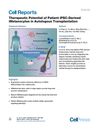
April 2019 in “Cell reports” Patient-derived melanocytes can potentially treat vitiligo by restoring skin pigmentation.
5 citations
,
May 2024 in “BMC Biotechnology” Using Matrigel with stem cells improves tissue healing.
 April 2024 in “The Indonesian Biomedical Journal”
 Melanocyte stem cells from non-affected skin in vitiligo patients can become functional melanocytes for potential therapy.
 November 2023 in “Journal of cosmetic dermatology”
 Fat transplants using a patient's own fat can rejuvenate and repair tissues effectively.
 January 2012 in “Elsevier eBooks”
 New treatments for skin and hair repair show promise, but further improvements are needed.
 October 2023 in “Facial Plastic Surgery”
 New treatments for common hair loss include medications, regenerative therapies, and laser therapy, but may not work for everyone.
19 citations
,
April 2021 in “Stem Cell Research & Therapy” SVF cell transplantation improves skin regeneration safely.
 20 citations
,
May 2015 in “Regenerative Medicine”
20 citations
,
May 2015 in “Regenerative Medicine” The document warns against US clinics selling untested stem cell treatments without FDA approval.
 1 citations
,
September 2023 in “Journal of Fatwa Management and Research”
1 citations
,
September 2023 in “Journal of Fatwa Management and Research” Islamic perspectives in Malaysia raise ethical concerns about using stem cells, especially from embryos, for beauty and medical treatments.
 2 citations
,
January 2018 in “Journal of clinical & experimental dermatology research”
2 citations
,
January 2018 in “Journal of clinical & experimental dermatology research” Both fat-derived stem cells and platelet-rich plasma are effective and safe for hair loss, but stem cells give better results with more side effects.
 June 2024 in “Stem cell research & therapy”
 Regenerative medicine shows promise for treating skin disorders like hair loss and vitiligo.
 February 2024 in “Plastic and Reconstructive Surgery – Global Open”
 Stem cell therapies show promise for hair regrowth in androgenetic alopecia.