16 citations
,
September 2020 in “Animals” circRNA-1926 helps goat stem cells turn into hair follicles by affecting miR-148a/b-3p and CDK19.
2 citations
,
July 2025 in “Acta Pharmacologica Sinica” Isoginkgetin reduces inflammation in cells by blocking NF-κB activation.
 2 citations
,
April 2017 in “Molecular Medicine Reports”
2 citations
,
April 2017 in “Molecular Medicine Reports” Blocking autophagy increases survival of inner ear hair cells exposed to gentamicin.
 47 citations
,
March 2019 in “Journal of immunology research”
47 citations
,
March 2019 in “Journal of immunology research” Valproic Acid could potentially be used to treat immune-related conditions due to its ability to modify immune cell functions.
42 citations
,
December 2011 in “The journal of immunology/The Journal of immunology” RANKL causes lymph nodes to grow by making certain cells multiply.
23 citations
,
July 2023 in “Proceedings of the National Academy of Sciences” CD8+ T cells drive alopecia areata, while regulatory T cells are protective.
 16 citations
,
October 2014 in “Cell death and disease”
16 citations
,
October 2014 in “Cell death and disease” FoxN1 overexpression in young mice harms immune cell and skin development.
14 citations
,
January 2024 in “Skin Research and Technology” The study suggested certain immune cells might cause alopecia areata, but it was retracted.
7 citations
,
January 2022 in “Biomedicines” Cells from the lower part of hair follicles are a promising, less invasive option for immune system therapies.
 5 citations
,
February 2022 in “International Journal of Molecular Sciences”
5 citations
,
February 2022 in “International Journal of Molecular Sciences” Different immune cells like platelets, mast cells, neutrophils, macrophages, T cells, B cells, and innate lymphoid cells all play roles in skin wound healing, but more research is needed due to inconsistent results and the complex nature of the immune response.
4 citations
,
August 2025 in “Frontiers in Immunology” Mesenchymal stem cells and their vesicles may effectively treat skin diseases, but more research is needed.
 1 citations
,
May 2026 in “Nature Communications”
1 citations
,
May 2026 in “Nature Communications” CD19-CAR T cell therapy may help regenerate skin in systemic sclerosis.
 December 2025 in “International Journal of Surgery”
 GBP1 is a key target for treating Epstein-Barr virus-related kidney cancer, and finasteride may help.
November 2025 in “Skin Appendage Disorders” Immune cell-targeting biologics show potential for treating alopecia areata but need better-targeted therapies.

New insights into cell communication in psoriasis suggest innovative drug treatments.
 December 2021 in “Research Square (Research Square)”
 M-CSF-stimulated myeloid cells can cause alopecia areata in mice.
 September 2024 in “Vietnam Journal of Biotechnology”
 Astaxanthin may help protect hair cells from damage and prevent hair loss.
November 2023 in “Journal of Investigative Dermatology” The study identified key immune cell differences between mild and severe alopecia areata.

Dexamethasone-primed stem cell media shows promise in treating lupus by reducing symptoms and inflammation.
 August 2023 in “Natural Resources for Human Health”
 Vegetarians should take B vitamin supplements to avoid health issues.
127 citations
,
January 2000 in “Journal of Investigative Dermatology” Cytotoxic T cells cause hair loss in chronic alopecia areata.
 24 citations
,
March 2018 in “Pigment Cell & Melanoma Research”
24 citations
,
March 2018 in “Pigment Cell & Melanoma Research” The environment around melanocyte stem cells is key for hair regeneration and color, with certain injuries affecting hair color and potential treatments for pigmentation disorders.
 20 citations
,
December 2013 in “Journal of Dermatology”
20 citations
,
December 2013 in “Journal of Dermatology” UV-B light increases inflammation-related substances in acne-related skin cells.
 14 citations
,
January 2006 in “Skin pharmacology and physiology”
14 citations
,
January 2006 in “Skin pharmacology and physiology” Procyanidin compounds from apples and barley promote hair growth and prevent hair cell death.
 12 citations
,
June 2019 in “The journal of pharmacology and experimental therapeutics/The Journal of pharmacology and experimental therapeutics”
12 citations
,
June 2019 in “The journal of pharmacology and experimental therapeutics/The Journal of pharmacology and experimental therapeutics” Activating TRPV3 channels stops hair growth by killing hair follicle cells.
 9 citations
,
May 2013 in “JAMA Dermatology”
9 citations
,
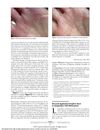
May 2013 in “JAMA Dermatology” Sunlight exposure improved a patient's skin condition, and there may be a link between a certain disease and skin growths; a leukemia treatment caused changes in hair color and growth.
 3 citations
,
July 2023 in “The journal of investigative dermatology/Journal of investigative dermatology”
3 citations
,
July 2023 in “The journal of investigative dermatology/Journal of investigative dermatology” Keratin 17 is important for skin's response to radiation, affecting many genes and cell division.
 1 citations
,
March 2022 in “Journal of Dermatological Science”
1 citations
,
March 2022 in “Journal of Dermatological Science” Adding TERT and BMI1 to certain skin cells can improve their ability to create hair follicles in mice.
July 2025 in “Journal of Investigative Dermatology” Monocyte-derived dendritic cells play a key role in UVB-induced skin sensitivity and inflammation.
August 2024 in “Food Bioscience” Bifidobacterium longum BB536 metabolites may help treat hair loss by repairing and promoting hair cell growth.