 March 2026 in “Journal of Sustainable Veterinary and Allied Sciences”
 The dog fully recovered after treatment for skin and tick-borne infections.
May 2018 in “Digital ProScholar Media eBooks” The new fluoroquinolone effectively fights certain bacteria.
 April 2024 in “Frontiers in cellular and infection microbiology”
 Blue light might help treat skin conditions by affecting the skin's bacteria.
 1 citations
,
September 2025 in “Scientific Reports”
1 citations
,
September 2025 in “Scientific Reports” The new gel improves treatment of tough skin infections.
February 2026 in “International Journal of Clinical Dermatology” Certain probiotics can help improve skin conditions like atopic dermatitis, but more research is needed.
 February 2026 in “Probiotics and Antimicrobial Proteins”
 Modifying gut bacteria with pro- and postbiotics may help treat hair loss.
October 2022 in “Biomolecules” Allopregnanolone can reduce gut inflammation and normalize neurotransmitter levels after finasteride withdrawal.
Finasteride may cause depression and affect brain and gut health in male rats.
 3 citations
,
January 2016 in “Annals of Dermatology”
3 citations
,
January 2016 in “Annals of Dermatology” Vitamin D may help reduce inflammation in acne.
June 2023 in “Journal of Biosciences and Health” Healthy dogs and cats often carry skin fungi without showing symptoms, which can spread to others.
 127 citations
,
January 2013 in “PLOS ONE”
127 citations
,
January 2013 in “PLOS ONE” Probiotic bacteria improved skin and hair health in aged mice.
 1 citations
,
May 2021 in “Cell Host & Microbe”
1 citations
,
May 2021 in “Cell Host & Microbe” Skin bacteria, specifically Streptococcus and Staphylococcus, help in hair regrowth after skin injury and speed up wound healing.
2 citations
,
November 2025 in “International Journal of Molecular Sciences” Balancing good and harmful microbes is key to healing chronic wounds.
July 2025 in “Journal of Investigative Dermatology” Probiotics significantly reduce the severity of atopic dermatitis.
48 citations
,
April 2019 in “PloS one” Alopecia areata patients have more Propionibacterium acnes and less Staphylococcus epidermidis on their scalps.
 April 2016 in “Journal of Investigative Dermatology”
 Retinoids change the fat content in skin oil and reduce bacteria growth, helping to treat acne.
May 2019 in “Eurasian Journal of Biosciences” Fenugreek aqueous extract is more effective against acne bacteria than the alcoholic extract.
January 2025 in “SSRN Electronic Journal” The hydrogel speeds up wound healing by fighting infections and supporting tissue repair.
 1 citations
,
September 2024 in “Scientific Reports”
1 citations
,
September 2024 in “Scientific Reports” Non-invasive swabbing is as effective as cutting hair for collecting scalp hair bacteria.
 12 citations
,
November 2014 in “Bioscience, Biotechnology, and Biochemistry”
12 citations
,
November 2014 in “Bioscience, Biotechnology, and Biochemistry” Genetically modifying a bacteria and changing its growth conditions significantly increased the production of a chemical called dipicolinic acid.
 44 citations
,
March 2020 in “Antibiotics”
44 citations
,
March 2020 in “Antibiotics” Rosemary extracts with carnosic acid and carnosol can reduce the harmfulness of Staphylococcus aureus without stopping its growth.
 13 citations
,
January 2013 in “Applied and Environmental Microbiology”
13 citations
,
January 2013 in “Applied and Environmental Microbiology” A gene in Sebekia benihana, CYP-sb21, is needed for a specific reaction on the drug Cyclosporine A, which could be important for hair growth without affecting the immune system.
7 citations
,
March 2022 in “International Journal of Molecular Sciences” FGF21 can help reduce skin inflammation caused by C. acnes.
 October 2018 in “Exercise Biochemistry Review”
 Aerobic exercise helps protect the intestines by improving their barrier function.
 4 citations
,
December 2001 in “Endoscopy”
4 citations
,
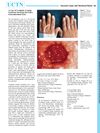
December 2001 in “Endoscopy” Prednisolone and Bactrim improved symptoms in a woman with Cronkhite-Canada syndrome.
Geography affects skin microbiome more than genetics, but genetics still play a role.
9 citations
,
July 2021 in “Journal of Medicinal Food” Lactobacillus paracasei HY7015 helps hair grow in mice.
June 2026 in “Clinical Case Reports” Early recognition and treatment of multiple carboxylase deficiency with biotin can prevent serious health issues in infants.
1 citations
,
July 2025 in “Barrier Immunity” A holistic approach is crucial for treating skin disorders and restoring barrier function.
 April 2018 in “Journal of Investigative Dermatology”
 Aging reduces skin cell renewal and defense against germs due to TGFbeta, but blocking TGFbeta could help restore these functions.