2 citations
,
October 2023 in “Animals” Lacto-fermentation changes amino acid profiles in bovine colostrum, but results are inconsistent.
19 citations
,
December 2023 in “Journal of Investigative Dermatology” Scalp hair follicle microbes affect hair health and could be used for treatments.
 February 2026 in “Journal of Microbiology and Biotechnology”
 Abietic acid from pine rosin can effectively fight and reduce harmful skin microbes.
 December 2024 in “Buletin Veteriner Udayana”
 Improving cage hygiene and sanitation is crucial to prevent colisepticemia in chickens.
 August 2025 in “Frontiers in Pharmacology”
 [6]-Gingerdiol 3-monoacetate shows promise for treating T. whipplei infections.
 83 citations
,
August 2014 in “PLoS ONE”
83 citations
,
August 2014 in “PLoS ONE” All adults have Demodex mites, which vary by region.
September 2025 in “Medicine & Science in Sports & Exercise” Gender-affirming hormone therapy and surgery affect gut bacteria differently.
June 2023 in “Journal of Biosciences and Health” Healthy dogs and cats often carry skin fungi without showing symptoms, which can spread to others.
 65 citations
,
October 2018 in “Frontiers in cellular and infection microbiology”
65 citations
,
October 2018 in “Frontiers in cellular and infection microbiology” Certain bacteria and fungi are linked to healthy scalps and dandruff, suggesting that the scalp's microbial balance affects its health.
 November 2025 in “Frontiers of Agricultural Science and Engineering”
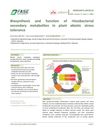
 Rhizobacterial strain RT3 helps lettuce survive drought by producing protective substances like proline.
1 citations
,
November 2009 August 2024 in “Food Bioscience” Bifidobacterium longum BB536 metabolites may help treat hair loss by repairing and promoting hair cell growth.
Scalp microbiome in young women is mainly affected by sensitivity, sebum, and lifestyle.
 April 2026 in “Frontiers in Cell and Developmental Biology”
 Hair follicles in mice help detect and respond to germs.
July 2024 in “Journal of Investigative Dermatology” ATR04-484 ointment shows promise for treating skin issues from cancer therapies.
Bacterial augmentation improves hair composting and nutrient availability.
33 citations
,
May 2018 in “Stem Cell Reports” Krt15+ cells in the mouse intestine resist radiation and can start tumors.
Glycogen helps E. coli cells divide unevenly and organize their contents.
20 citations
,
August 2005 in “The Journal of laboratory and clinical medicine” Mice with damaged skin or hair follicles are more susceptible to anthrax infection.
 146 citations
,
June 2012 in “PLoS ONE”
146 citations
,
June 2012 in “PLoS ONE” Paneth cells help support stem cells and aid tissue regeneration after injury.
 1 citations
,
August 2024 in “Polymers”
1 citations
,
August 2024 in “Polymers” Bacterial cellulose is a promising material for biomedical uses but needs improvements in antimicrobial properties and degradation rate.
2 citations
,
October 2019 in “Minia Journal of Medical Research” UTIs are common in Upper Egypt, with many bacteria resistant to multiple drugs, highlighting the need for better treatment strategies.
 18 citations
,
August 2019 in “Nutrients”
18 citations
,
August 2019 in “Nutrients” Eating barley for life may lead to healthier aging in mice.
 1 citations
,
July 2023 in “Scientific Reports”
1 citations
,
July 2023 in “Scientific Reports” Wearing a hijab changes the common bacteria and fungi on the scalp, possibly affecting skin health.
February 2026 in “International Journal of Clinical Dermatology” Certain probiotics can help improve skin conditions like atopic dermatitis, but more research is needed.
 February 2026 in “Probiotics and Antimicrobial Proteins”
 Modifying gut bacteria with pro- and postbiotics may help treat hair loss.
October 2022 in “Biomolecules” Allopregnanolone can reduce gut inflammation and normalize neurotransmitter levels after finasteride withdrawal.
Finasteride may cause depression and affect brain and gut health in male rats.
July 2025 in “Journal of Investigative Dermatology” 5 citations
,
February 2025 in “Scientia Horticulturae” Enterobacter sp. SA187 helps tomato plants grow better in salt and heat by boosting stress-related responses.