 September 2024 in “Journal of the American Academy of Dermatology”
 The compounded topical solution is safe, stable, and effective for personalized alopecia treatment.
2 citations
,
September 2024 in “Internal Medicine Journal” Upadacitinib helped regrow hair and maintain ulcerative colitis remission.
June 2022 in “Zenodo (CERN European Organization for Nuclear Research)” The hydrogel with neem and tridax extracts effectively treats seborrheic dermatitis.
36 citations
,
May 2005 in “BMC dermatology” DPCP is effective for treating severe alopecia areata, but relapse is common.
3 citations
,
July 2023 in “International Journal of Trichology” DPCP can help regrow hair in some people with severe alopecia.
 5 citations
,
December 2014 in “Medicine and Pharmacy Reports”
5 citations
,
December 2014 in “Medicine and Pharmacy Reports” Ciproterone acetate improves hair regrowth and acne in most female patients.
October 2017 in “Our Dermatology Online” DCP in isopropanol is better tolerated for treating alopecia areata.
 March 2026 in “Clinical Cosmetic and Investigational Dermatology”
 Upadacitinib improved multiple immune-related conditions in one patient.
January 2026 in “International Journal of Biological Macromolecules”  3 citations
,
May 2023 in “Clinical drug investigation”
3 citations
,
May 2023 in “Clinical drug investigation” JAK inhibitors for alopecia areata are linked to minor side effects like headache and acne, but not to an increased risk of serious adverse events.
 September 2023 in “Drugs in context”
 Baricitinib is a promising treatment for alopecia areata.
1 citations
,
February 2025 in “International Journal of Dermatology” Abrocitinib may effectively treat Lichen Planopilaris.
 January 2020 in “bioRxiv (Cold Spring Harbor Laboratory)”
 Semecarpus anacardium leaf extracts may offer safe, effective cancer treatment alternatives.
 5 citations
,
April 2023 in “BMC Microbiology”
5 citations
,
April 2023 in “BMC Microbiology” Shampoo with heat-killed Lacticaseibacillus paracasei GMNL-653 improves scalp health and hair growth by changing scalp bacteria.
14 citations
,
August 2014 in “Journal of the American Academy of Dermatology” Diphenylcyclopropenone (DPCP) is effective in treating alopecia areata, with most patients showing significant hair regrowth.
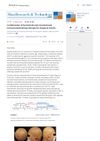 July 2023 in “Skin Research and Technology”
 Baricitinib combined with other immune therapies may safely and effectively treat severe scalp hair loss.
August 2024 in “Repozitorij Farmaceutsko-biokemijskog fakulteta (Sveučilišta u Zagrebu)” The gel can effectively deliver melatonin through the skin.
 6 citations
,
May 2022 in “Research and reports in urology”
6 citations
,
May 2022 in “Research and reports in urology” Caesalpinia bonduc seed extracts may help treat enlarged prostate in rats.
 184 citations
,
February 2015 in “EBioMedicine”
184 citations
,
February 2015 in “EBioMedicine” A patient with Alopecia Areata had complete hair regrowth after using the drug baricitinib.
March 2026 in “International Journal of Cosmetic Science” Pal-KCV peptide strengthens hair and reduces breakage by up to 52%.
January 2020 in “Surgical and Cosmetic Dermatology” Hair loss in women with androgenetic alopecia was reduced by using a hair treatment with human hair follicle stem cells.
 31 citations
,
July 2017 in “Journal of the American Academy of Dermatology”
31 citations
,
July 2017 in “Journal of the American Academy of Dermatology” Apremilast improved symptoms in patients with severe skin conditions.
6 citations
,
November 2019 in “Journal of Cosmetic Dermatology” The compound improved hair growth and reduced hair loss.
19 citations
,
October 2015 in “British Journal of Dermatology” Diphenylcyclopropenone's effectiveness and safety for alopecia areata are unclear.
 November 2025 in “SKIN The Journal of Cutaneous Medicine”
 Baricitinib significantly regrows hair in nasal, genital, and beard areas for severe alopecia areata.
June 2026 in “Frontiers in Pharmacology” No conclusions about the effectiveness of Compound Jinqiancao Granules for prostatitis can be made.
 November 2025 in “SKIN The Journal of Cutaneous Medicine”
 Upadacitinib effectively treats severe alopecia areata and is safe.
 June 2026 in “Frontiers in Oncology”
 Ipilimumab can cause various adverse events in elderly patients, especially affecting the gastrointestinal and endocrine systems.
Placenderm® improves scalp elasticity and hair quality safely.
 April 2023 in “International Journal of Research in Dermatology”
 Baricitinib is a promising treatment for severe alopecia areata with minimal side effects.