 April 2024 in “Clinical dermatology review (Print)”
 Trichoscopy is an effective, noninvasive method for early diagnosis of Female Pattern Hair Loss.

AI can predict hair loss patterns to improve care and treatment.

Balding in men worsens with age.
 November 2023 in “International Journal of Women's Dermatology”
 Hormone replacement therapy may improve hair growth in the frontal hairline of postmenopausal women with hair loss.

Adding aesthetic therapies to medications doesn't improve male pattern baldness treatment.
 June 2023 in “Benha Journal of Applied Sciences”
 Targeting IL-17 could help treat pattern hair loss.
 June 2023 in “British Journal of Dermatology”
 A person with Werner syndrome was initially thought to just have female pattern hair loss.
May 2023 in “Experimental Dermatology” Male pattern hair loss may be linked to the developmental origins of hair follicles.
 May 2023 in “Vestnik dermatologii i venerologii”
 Early-stage male pattern baldness shows two types of hair loss: one on the top of the head linked to hormonal changes, and another at the back of the head. The top hair loss responds well to specific treatment, while the back hair loss does not.
 April 2023 in “Journal of Investigative Dermatology”
 The study suggests fibrosing alopecia in a pattern distribution has distinct features and may vary by race.
 July 2022 in “Journal of Investigative Dermatology”
 Dkk4 is necessary for the initial development and arrangement of hair follicles.
 May 2022 in “Journal of Cosmetic Dermatology”
 The authors suggest a method for hair transplantation in fibrosing alopecia pattern distribution to improve treatment outcomes and cover bald areas.
 December 2021 in “International Journal of Research in Dermatology”
 The study concluded that female pattern hair loss is linked to psychological distress and is hard to diagnose and treat, with its causes still not fully understood.
 October 2021 in “Journal of Investigative Dermatology”
 Dkk4 protein is necessary for the proper development and arrangement of hair follicles.
 September 2021 in “CRC Press eBooks”
 Fibrosing alopecia in a pattern distribution is a type of hair loss that may often be overlooked, especially in men.
Skin diseases are common and need more specialized care.
January 2021 in “Annals of Chinese medicine” Male pattern baldness may increase COVID-19 severity risk.
 May 2020 in “Hair transplant forum international”
 The updated NPRT system now covers different types of hair loss in men and women.
Understanding hair follicle communication can help treat hair loss.
January 2016 in “프로그램북(구 초록집)” The revised BASP classification for hair loss is less accurate and harder to use but could still be a viable option.
January 2015 in “Rawal Medical Journal” Telogen effluvium is the main cause of hair loss in women in Karak, followed by androgenetic alopecia.
January 2013 in “프로그램북(구 초록집)” Home-use microneedles with 5% minoxidil are safe and effective for hair growth.
 April 2012 in “Informa Healthcare eBooks”
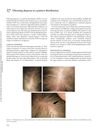
 Fibrosing alopecia in a pattern distribution is a unique hair loss condition with inflammation and scarring, resembling but distinct from common balding.
 January 1998 in “KAGAKU TO SEIBUTSU”
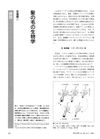
 The document suggests that male hormones likely affect hair growth and baldness, and future treatments might involve stem cells and androgen-independent cells.
 March 1997 in “Journal of Endocrinology/Journal of endocrinology”
 Excessive hair growth in women can be treated with medications like spironolactone and finasteride, and male-pattern baldness in women can be improved with similar treatments.
September 1989 in “Drug and Therapeutics Bulletin” Topical minoxidil is not very effective for baldness.
July 1985 in “American pharmacy” Minoxidil can effectively increase hair growth in early male pattern baldness.
A man regrew hair after using a specific cream for skin treatment.
April 2023 in “Medizinische Genetik” Male-pattern hair loss is largely influenced by genetics, with key genes identified.
November 2022 in “Journal of Investigative Dermatology” Rare genetic variants in 125 genes are linked to male-pattern hair loss.