 January 2025 in “SKIN The Journal of Cutaneous Medicine”
 Some patients on Baricitinib for alopecia areata lost response, often linked to longer and more severe initial conditions.
 January 2025 in “Frontiers in Pediatrics”
 Baricitinib significantly improved hair regrowth and skin condition in a 14-year-old with alopecia areata and atopic dermatitis.
 January 2025 in “Geneesmiddelenbulletin”
 Baricitinib is effective and safe for treating severe alopecia areata with ongoing use.
January 2025 in “Dermatologic Therapy” Baricitinib works better for alopecia areata in patients not previously treated with tofacitinib.
 January 2025 in “Repository of the Academy's Library (Library of the Hungarian Academy of Sciences)”
 Baricitinib is effective and safe for treating severe alopecia areata.

The patch effectively promotes hair growth for alopecia areata without pain.
 January 2025 in “The Egyptian Journal of Hospital Medicine”
 Baricitinib is effective and safe for treating localized vitiligo, alone or with topical tacrolimus.
 January 2025 in “Dermatologic Therapy”
 Baricitinib effectively promotes hair regrowth in alopecia areata patients with mild side effects.
 January 2025 in “Acta Dermatovenerologica Alpina Pannonica et Adriatica”
 Baricitinib is effective and safe for treating severe alopecia areata.
 December 2024 in “Frontiers in Pediatrics”
 Baricitinib improved platelet counts and alopecia in a 16-year-old with chronic immune thrombocytopenia.
 December 2024 in “Cureus”
 Baricitinib treatment for alopecia universalis can cause hair regrowth with unexpected whitening.
 December 2024 in “Clinical and Experimental Dermatology”
 Switching to ritlecitinib improves hair regrowth and well-being in severe alopecia areata patients.
 December 2024 in “Drug Discoveries & Therapeutics”
 Baricitinib-loaded EVs help hair regrowth in alopecia areata by reducing inflammation and promoting hair follicle regeneration.
 November 2024 in “Journal of the European Academy of Dermatology and Venereology”
 Long-term baricitinib treatment can lead to significant scalp hair regrowth in patients initially showing only eyebrow or eyelash regrowth.
 November 2024 in “Journal of Cosmetic Dermatology”
 Baricitinib is effective for severe alopecia areata but has some side effects.
November 2024 in “SKIN The Journal of Cutaneous Medicine” Baricitinib slightly increased cholesterol levels in alopecia areata patients, but these changes were manageable.
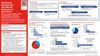 November 2024 in “SKIN The Journal of Cutaneous Medicine”
 Baricitinib is widely used for several conditions, especially COVID-19, but its safety and effectiveness are still being evaluated.
 October 2024 in “American Journal of Case Reports”
 Baricitinib improved hair loss and arthritis in a lupus patient.
 October 2024 in “Journal of the European Academy of Dermatology and Venereology”
 Ritlecitinib and baricitinib are similarly effective for hair regrowth in severe alopecia areata.
 October 2024 in “Canadian Journal of Health Technologies”
 Olumiant should be covered for severe alopecia areata if certain conditions are met.
October 2024 in “BMJ Case Reports” Baricitinib effectively treats both rheumatoid arthritis and alopecia areata.
Baricitinib is effective for Alopecia Areata but requires careful patient history evaluation.
 September 2024 in “Journal of the European Academy of Dermatology and Venereology”
 Baricitinib effectively reduces hair loss in severe alopecia areata with mild side effects.
 September 2024 in “Journal of the American Academy of Dermatology”
 Baricitinib helps long-term hair regrowth in severe alopecia areata patients.
 September 2024 in “Journal of the American Academy of Dermatology”
 Continued baricitinib treatment leads to significant scalp hair regrowth in severe alopecia areata patients.
 September 2024 in “Journal of the American Academy of Dermatology”
 Baricitinib 4 mg is effective and safe for treating severe alopecia areata.
 September 2024 in “Journal of the American Academy of Dermatology”
 Baricitinib maintains significant hair regrowth in severe alopecia areata over three years.
 August 2024 in “JAMA Dermatology”
 Continuous baricitinib is needed to keep hair regrowth in severe alopecia areata.
 August 2024 in “Journal of the American Academy of Dermatology”
 Baricitinib effectively promotes hair regrowth in both scalp and nonscalp areas for alopecia areata universalis patients.
Baricitinib may not always prevent relapse in alopecia areata.