 July 2003 in “Journal of Cutaneous Medicine and Surgery”
 Stopping certain drugs can improve skin conditions, arsenicosis affects over half of a Bangladeshi village, males are more vulnerable, and certain treatments are effective for warts, acne, and psoriasis. Smoking and drinking are linked to psoriasis in men, a cream helps with a type of skin cancer, and low iron levels don't directly cause chronic hair loss in women.
 July 2003 in “Journal of Cutaneous Medicine and Surgery”
 Blood pressure drugs can cause skin lupus, but it improves after stopping the drug. The glycoprotein D vaccine works against genital herpes in some women, and the HPV-16 vaccine reduces HPV-16 infection and related diseases. More frequent light therapy clears psoriasis faster. A cream called imiquimod effectively treats a type of skin cancer. Iron supplements don't necessarily help with chronic hair loss in women.
 August 2010 in “The Journal of Dermatology”
 The document concludes that low-dose acne treatment is most suitable for moderate acne, with high patient satisfaction and low relapse rates.
 28 citations
,
April 1996 in “Cell biology international”
28 citations
,
April 1996 in “Cell biology international” Changes in keratin affect skin health and can lead to skin disorders like blistering diseases and psoriasis.
 10 citations
,
July 2021 in “Archiv für Pathologische Anatomie und Physiologie und für Klinische Medicin”
10 citations
,
July 2021 in “Archiv für Pathologische Anatomie und Physiologie und für Klinische Medicin” LRIG1 is linked to better survival in Merkel cell carcinoma.

Deleting Smad4 and PTEN genes in mice causes rapid, invasive forestomach cancer.

Deleting Smad4 and PTEN genes in mice causes rapid, invasive stomach cancer.
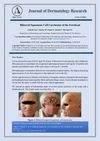
A 70-year-old man with skin cancer on both sides of his forehead was treated with surgery and cryotherapy, highlighting the need for early detection and prevention.
 April 2018 in “Journal of Investigative Dermatology”
 CREB, a protein that can promote cancer traits, is controlled by β-catenin in skin cancer cells.
 October 2023 in “bioRxiv (Cold Spring Harbor Laboratory)”
 Blocking both main energy pathways can stop hair follicle stem cell-induced skin cancer growth.
 10 citations
,
January 2013 in “Journal of skin cancer”
10 citations
,
January 2013 in “Journal of skin cancer” PKC ε increases hair follicle stem cell turnover and may raise skin cancer risk.
 3 citations
,
May 2018 in “European Journal of Dermatology”
3 citations
,
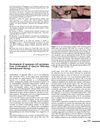
May 2018 in “European Journal of Dermatology” Photodynamic therapy may not work for erythroplasia of Queyrat and could lead to invasive squamous cell carcinoma.
 June 2026 in “Frontiers in Oncology”
 GSDMA deficiency slows skin cancer growth.
 30 citations
,
August 2021 in “Oncogene”
30 citations
,
August 2021 in “Oncogene” miR-22 helps skin cancer grow and spread by activating specific cell signals.

Understanding factors affecting recurrence and survival can improve treatment for head and neck skin cancer.
 September 2025 in “Experimental & Molecular Medicine”
 Small molecules KY19382 and KY19334 may help treat skin cancer by reducing CDK1 levels and blocking harmful cell signals.
 55 citations
,
March 2015 in “Carcinogenesis”
55 citations
,
March 2015 in “Carcinogenesis” WNT10A helps esophageal cancer cells spread and keep renewing themselves.
 5 citations
,
May 2006 in “Dermatologic Surgery”
5 citations
,
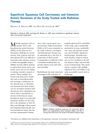
May 2006 in “Dermatologic Surgery” Radiation therapy successfully treated an elderly man's skin cancer and pre-cancerous scalp lesions.
 May 2006 in “Dermatologic Surgery”
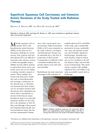
 Radiation therapy successfully treated an elderly man's skin cancer and pre-cancerous scalp lesions.
 42 citations
,
November 2002 in “The American journal of pathology”
42 citations
,
November 2002 in “The American journal of pathology” Distinct β-catenin patterns are linked to cell growth, not cell death, in lung cancer.
2 citations
,
June 2003 in “American Journal of Dermatopathology” A unique case of skin cancer showed unusual calcification, possibly linked to calcium-binding proteins.
76 citations
,
February 2007 in “Cancer Research” Protein Kinase Cε increases skin sensitivity to UV damage and skin cancer risk.
 56 citations
,
March 2015 in “Cell death and differentiation”
56 citations
,
March 2015 in “Cell death and differentiation” Older skin has higher cancer risk due to inflammation and stem cell issues.
35 citations
,
January 2006 in “Cancer Research” Mice with extra PKCδ resist chemical-induced skin cancer but not UV-induced.
12 citations
,
January 1991 in “Acta Dermato Venereologica” Basal cell epithelioma-like changes are most similar to normal basal cells.
48 citations
,
April 2021 in “Pharmaceuticals” Liposomal curcumin improves skin cancer treatment effectiveness while sparing normal cells.
 March 2010 in “Ejc Supplements”
 CK 5/6 expression in breast cancer is linked to negative hormone receptor status and higher tumor grade.
61 citations
,
August 1993 in “PubMed” Basal cell epithelioma likely starts from the hair follicle's outer root sheath.
 April 2025 in “Dermatology Practical & Conceptual”
 Biopsy is crucial to accurately distinguish Erosive Pustular Dermatosis of the Scalp from Squamous Cell Carcinoma.
 April 2025 in “Dermatology Practical & Conceptual”
 Biopsy is crucial for accurately diagnosing EPDS to avoid mistaking it for SCC.