April 2016 in “The journal of investigative dermatology/Journal of investigative dermatology” Neoplasms hide in hair follicles to avoid the immune system.
14 citations
,
April 1995 in “Transplantation” Human hair follicle cells can be used to help heal and replace skin.
1 citations
,
October 2023 in “European Journal of Dermatology” Combining hair transplantation with PRP is more effective for treating hair loss than hair transplantation alone.
294 citations
,
February 2011 in “Cell” Nephronectin helps attach muscle cells to hair follicles.
1 citations
,
December 1989 in “PubMed” Hair follicle cells can be grown without extra support and may help in wound healing.
 61 citations
,
September 2008 in “Stem Cells”
61 citations
,
September 2008 in “Stem Cells” Most hair follicle stem cells do not protect their DNA by dividing it unevenly.
 5 citations
,
January 2004 in “Annals of Dermatology”
5 citations
,
January 2004 in “Annals of Dermatology” People with androgenetic alopecia (AGA) have lower hair density and more single-hair units compared to those with normal scalps.
 April 2016 in “Actas Dermo-Sifiliográficas”
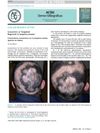
 The document concludes that a unique target-like hair regrowth pattern in alopecia areata may be more common than thought and should be properly identified.
22 citations
,
September 2000 in “Journal of Investigative Dermatology” μ-Crystallin may help hair growth by affecting thyroid hormone levels in mouse hair follicles.
1 citations
,
January 1999 in “Proceedings of the British Society of Animal Science” Biotin helps maintain hair follicle growth by affecting cell death and survival signals.
Fgf20 is crucial for hair follicle formation by influencing cell movement and growth.
44 citations
,
March 2012 in “Molecular Carcinogenesis” Keratin 15 cells from hair follicles help develop and maintain skin tumors in mice.
 62 citations
,
February 2016 in “ACS Applied Materials & Interfaces”
62 citations
,
February 2016 in “ACS Applied Materials & Interfaces” Technique creates 3D cell spheroids for hair-follicle regeneration.
 August 2023 in “Research Square (Research Square)”
 Melanocytes may trigger the immune response in alopecia areata, affecting hair regrowth.
September 2025 in “JID Innovations” Squaric acid dibutylester promotes hair growth by activating immune cells, especially macrophages.
April 2010 in “Cancer Research” Stat3 activation increases hair follicle progenitors but reduces bulge region stem cells.

Blood cell counts could help predict and treat alopecia areata and telogen effluvium.

Microneedling for hair loss may cause skin cancer.
 18 citations
,
August 2021 in “PLoS ONE”
18 citations
,
August 2021 in “PLoS ONE” Melanocyte progenitor cells are found in human fat tissue and can become mature melanocytes, which may help treat skin issues.
 3 citations
,
January 2018 in “Dermatology”
3 citations
,
January 2018 in “Dermatology” Scalp biopsies help tell apart androgenetic alopecia and alopecia areata.

Microneedling for hair loss may cause skin cancer.
46 citations
,
August 2012 in “Experimental Dermatology” Engineered skin can grow chimeric hair follicles only with mouse dermal papilla cells.
 1 citations
,
July 2012 in “Nasza Dermatologia Online”
1 citations
,
July 2012 in “Nasza Dermatologia Online” CCCA may be caused by both hair traction and an immune response.
May 2023 in “The Journal of Immunology” BST2 is a key marker for hair loss disease alopecia areata.
 April 2023 in “Advanced functional materials”
 The study created a tool that mimics natural cell signals, which increased cell growth and could help with hair regeneration research.
 September 2022 in “Institutional Repositories DataBase (IRDB)”
 3D-oxy exosomes may significantly boost hair growth, offering new treatment options for hair loss.
 11 citations
,
June 2012 in “Acta histochemica”
11 citations
,
June 2012 in “Acta histochemica” Mice with a Gsdma3 gene mutation have thicker skin and longer hair follicle openings due to increased β-catenin levels.
 131 citations
,
July 2009 in “Experimental Dermatology”
131 citations
,
July 2009 in “Experimental Dermatology” The document concludes that specific cells are essential for hair growth and more research is needed to understand how to maintain their hair-inducing properties.
 January 2021 in “Skin appendage disorders”
 The report concludes that atypical Brauer nevus is more common in males, present at birth, and often misdiagnosed due to its unusual scalp locations.
 2 citations
,
October 2017 in “Revista Da Associacao Medica Brasileira”
2 citations
,
October 2017 in “Revista Da Associacao Medica Brasileira” Removing p16INK4a from skin cells can lead to faster and more clumped growth, which might help with hair growth.