5 citations
,
September 2019 in “bioRxiv (Cold Spring Harbor Laboratory)” Basal stem cells in the skin have distinct types that are crucial for skin structure and health.
45 citations
,
October 2019 in “Clinical and Experimental Dermatology” Targeted therapies promoting differentiation could help treat basal cell carcinoma by exhausting cancer stem cells.
April 2012 in “Cancer Research” Bone marrow-derived cells can lead to skin inflammation and tumors in mice.
36 citations
,
September 1996 in “PubMed” DP and DS cells are different from DF cells in structure and function.
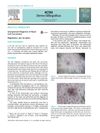 May 2015 in “Actas Dermo-Sifiliográficas”
 A young man was unexpectedly diagnosed with basal cell carcinoma after a scalp examination and confocal microscopy.
July 2019 in “Cancer Research” Bone marrow and hair follicle cells help form skin tumors, suggesting new treatment targets.
November 2025 in “Journal of Investigative Dermatology” PCFCL may have unrecognized subtypes and needs more research.

Melanocytes can regenerate around hair follicles in bullous pemphigoid, especially in patients with darker skin.
April 2010 in “Cancer Research” Basal cell carcinomas may use IDO to protect themselves from the immune system.

The human scalp has different types of pigment cells in hair follicles with varying abilities to produce pigment.
 December 2021 in “Research Square (Research Square)”
 M-CSF-stimulated myeloid cells can cause alopecia areata in mice.
121 citations
,
December 2001 in “American Journal of Dermatopathology” TB and BCC tumors show similar follicular differentiation patterns.
 8 citations
,
April 2009 in “International journal of oncology”
8 citations
,
April 2009 in “International journal of oncology” Hair follicle cells resist turning into skin cells.
 3 citations
,
January 1988 in “PubMed”
3 citations
,
January 1988 in “PubMed” The review found that basal cell carcinomas on the scalp are not more aggressive than those in other locations.
November 2025 in “Journal of Investigative Dermatology” BTNL2 helps protect hair follicles from immune attacks.
 3 citations
,
May 1999 in “Dermatologic Surgery”
3 citations
,
May 1999 in “Dermatologic Surgery” Dr. Connelly agrees that linear basal cell carcinomas might be more aggressive but highlights the study's lack of clear criteria to identify them.
31 citations
,
October 2019 in “Genes & Diseases” Basal cell carcinomas and squamous cell carcinomas have different gene activity patterns, suggesting unique treatment approaches.
 April 2023 in “Journal of Investigative Dermatology”
 The research shows that skin cancer likely originates from hair follicles and that certain cell populations expand to promote skin cancer growth.
 April 2018 in “Journal of Investigative Dermatology”
 Higher levels of nidogen1 and type IV collagen are found in basal cell carcinoma compared to normal skin.
14 citations
,
May 2022 in “Cell Reports” Basal cell carcinomas need extra mutations to grow from small to large tumors.
 2 citations
,
December 2016 in “Experimental cell research”
2 citations
,
December 2016 in “Experimental cell research” The research found a way to identify and study skin cells with stem cell traits, revealing they behave differently in culture and questioning current stemness assessment methods.
21 citations
,
September 1968 in “Cancer” Citrulline in certain skin tumors suggests they mimic hair growth, helping distinguish them from other cancer types.
68 citations
,
December 1983 in “British Journal of Dermatology” Major histocompatibility antigens are found in specific skin cells and structures, but not in sweat glands.
3 citations
,
December 2003 in “Archives of Pathology & Laboratory Medicine” The nodule was a benign cutaneous lymphadenoma, not cancer, and was successfully removed.
91 citations
,
March 1994 in “Journal of Investigative Dermatology” March 2022 in “Veterinary dermatology” A one-year-old cat had multiple benign skin tumors similar to those known in humans.
22 citations
,
September 1982 in “Journal of ultrastructure research” Wool follicle cells are more complex than previously thought.
January 2019 in “Publisher” Human basal cell carcinomas and squamous cell carcinomas have unique gene expression patterns not fully mirrored in mouse models.
January 2014 in “Institutional Repositories DataBase (IRDB)” Fibroblast spheres can form stem cells, but marker distribution needs more study.
16 citations
,
July 2008 in “BMC Genomics” Alpha 6 + /MHCI - cells have stem cell traits and are similar to mouse hair follicle stem cells.