November 2025 in “SKIN The Journal of Cutaneous Medicine” Ritlecitinib is effective long-term for treating alopecia areata in teens.
 4 citations
,
October 2024 in “American Journal of Clinical Dermatology”
4 citations
,
October 2024 in “American Journal of Clinical Dermatology” Ritlecitinib improved hair regrowth and emotional well-being in some alopecia areata patients.
48 citations
,
July 2023 in “Pediatric Dermatology” Ritlecitinib effectively regrows hair in adolescents with alopecia areata and is safe.
March 2026 in “Research Square” 7 citations
,
October 2024 in “Journal of the American Academy of Dermatology” Continued ritlecitinib treatment helps sustain hair regrowth in alopecia areata patients.
12 citations
,
January 2021 in “Dermatology Research and Practice” The 1927 nm Thulium laser effectively and safely treats postinflammatory hyperpigmentation in darker skin tones.
 April 2016 in “Journal of The American Academy of Dermatology”
 Using a niacinamide cream can improve life quality for breast cancer patients during chemotherapy.
15 citations
,
January 2025 in “Journal of the European Academy of Dermatology and Venereology” Ritlecitinib is effective and safe for treating alopecia areata, promoting significant hair regrowth.
May 2025 in “CPT Pharmacometrics & Systems Pharmacology” A 50 mg non-loading dose of ritlecitinib is safe for adults and adolescents.
 March 2026 in “Quality in Sport”
 Red light therapy can boost athletic performance and aid healing.
1 citations
,
January 2025 in “CPT Pharmacometrics & Systems Pharmacology” Ritlecitinib effectively regrows eyebrow and eyelash hair in alopecia areata, with 50 mg being the best dose.
4 citations
,
July 2024 in “Pharmacology Research & Perspectives” Ritlecitinib is safe and may effectively treat alopecia areata.
147 citations
,
October 2021 in “Cancer Communications” RC48 shows promise for treating certain advanced cancers, but more research is needed.
 4 citations
,
November 2018 in “Journal of Pharmaceutical and Biomedical Analysis”
4 citations
,
November 2018 in “Journal of Pharmaceutical and Biomedical Analysis” Roselle flower extracts can protect against free radical damage in UV-irradiated antibiotics.
August 2024 in “Postgraduate Medical Journal” A rare skin reaction from cancer treatment was successfully managed with topical treatments and antihistamines.
September 2017 in “Journal of Investigative Dermatology” RCS-01 is safe and may help rejuvenate aging skin.
 January 2024 in “American journal of clinical dermatology”
 Ritlecitinib is safe and well-tolerated for treating alopecia areata in patients aged 12 and older.
6 citations
,
June 2021 in “EClinicalMedicine” ALRV5XR significantly improves hair density in women with hair loss and is well-tolerated.
 5 citations
,
February 2024 in “Clinical Pharmacokinetics”
5 citations
,
February 2024 in “Clinical Pharmacokinetics” A 50 mg daily dose of ritlecitinib is effective for alopecia areata, with temporary treatment breaks up to 6 weeks not affecting results.
3 citations
,
March 2025 in “Journal of Clinical Medicine” Ritlecitinib effectively treats alopecia areata with manageable side effects.
 January 2015 in “Dermatology Review”
 LED therapy may improve skin health and stimulate hair growth.
January 2019 in “Dermatologic Surgery” Pulsed Dye Laser effectively treats skin lesions in Rosai–Dorfman Disease.
June 2021 in “Current developments in nutrition” The LustrivaTM BH-002 supplement and hair serum improved women's hair, skin, and nail health and appearance.
November 2025 in “SKIN The Journal of Cutaneous Medicine” Ritlecitinib 50 mg effectively promotes and sustains hair regrowth in alopecia areata patients.
July 2025 in “SKIN The Journal of Cutaneous Medicine” Most patients with alopecia areata see significant hair regrowth within 93 days of starting ritlecitinib treatment.
12 citations
,
January 2009 in “Breast Cancer Basic and Clinical Research” Combining hair x-ray diffraction with mammography improves breast cancer detection.
 August 2018 in “Journal of the American Academy of Dermatology”
 A new cosmetic cream reduced facial redness and skin temperature after 4 weeks of use.
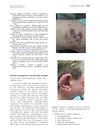
A 72-year-old man was diagnosed with a rare skin form of Rosai-Dorfman disease after years of misdiagnosis.
9 citations
,
November 1999 in “Annals of Plastic Surgery” Ruby laser hair removal does not cause increased cell growth in the skin.
 October 2025 in “International Journal of Clinical Trials”
 India is ideal for dermatology trials due to diverse patients and cost-effectiveness.