 April 2026 in “Journal of Experimental Psychopathology”
 Hair cortisol levels may not reliably indicate psychological distress.
 25 citations
,
November 2022 in “British journal of dermatology/British journal of dermatology, Supplement”
25 citations
,
November 2022 in “British journal of dermatology/British journal of dermatology, Supplement” Baricitinib for severe alopecia areata is generally safe, with common side effects like infections and acne, and low rates of serious complications.
 April 2025 in “Tạp chí Y Dược học Cần Thơ”
 Hair loss and mental health issues like anxiety and insomnia affect each other, impacting quality of life.
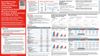 November 2025 in “SKIN The Journal of Cutaneous Medicine”
 Baricitinib works better in adolescents than adults for treating severe alopecia areata.
3 citations
,
February 2019 in “Der Urologe” Medications for benign prostatic syndrome can cause cognitive issues and depression.
Androgenetic alopecia is more common in male Chinese adolescents and linked to rosacea, but doesn't affect quality of life.
1 citations
,
May 2025 in “Australasian Journal of Dermatology” Caregivers of teens with alopecia areata face significant mental and work-related challenges.
2 citations
,
January 2008 Androgenetic alopecia significantly affects women's emotions, especially older women.
1 citations
,
May 2024 in “Human Genomics” Polygenic risk scores can predict the risk and outcomes of benign prostatic hyperplasia.
7 citations
,
April 2021 in “Journal of Clinical Psychopharmacology” Finasteride may increase the risk of depression, anxiety, and suicidal thoughts.
December 2025 in “Chinese Medical Journal” Experts recommend starting systemic treatment for alopecia areata when the condition is severe or causes significant distress.
 12 citations
,
December 2020 in “Journal of The American Academy of Dermatology”
12 citations
,
December 2020 in “Journal of The American Academy of Dermatology” The COVID-19 pandemic increased symptoms in people with skin picking and hair pulling disorders.
6 citations
,
June 2024 in “Skin Appendage Disorders” Alopecia areata is linked to PTSD, alcohol use, anxiety, and depression.
 March 2021 in “Journal of The European Academy of Dermatology and Venereology”
 Low quality of life and high HSS-29 scores increase risk of losing patients during treatment.
 67 citations
,
March 2021 in “Dermatology and Therapy”
67 citations
,
March 2021 in “Dermatology and Therapy” Alopecia areata greatly harms quality of life, causing emotional and social issues.
 128 citations
,
February 2016 in “British Journal of Dermatology”
128 citations
,
February 2016 in “British Journal of Dermatology” Alopecia areata significantly lowers the quality of life, especially in emotional and mental health aspects.
Baricitinib effectively treats alopecia areata, with over half of patients improving after 52 weeks.
 May 2024 in “Ordu Üniversitesi Hemşirelik Çalışmaları Dergisi”
 Satisfaction with appearance boosts self-confidence in surgery patients.
April 2024 in “Indian Journal of Paediatric Dermatology” Children with alopecia areata in Singapore generally have a good quality of life.
 90 citations
,
March 2017 in “JAMA Internal Medicine”
90 citations
,
March 2017 in “JAMA Internal Medicine” Men over 66 taking medication for prostate enlargement have a higher risk of depression and self-harm, especially in the first 18 months of treatment.
 January 2020 in “International Journal of Medical Research and Health Sciences”
 Many female students at Northern Border University in Saudi Arabia may have Polycystic ovary syndrome (PCOS) and related emotional distress, so those at risk should get further tests and treatment.
 October 2024 in “La Tunisie Médicale”
 Over half of alopecia areata patients in Tunisia experience depression, highlighting the need for psychological support.
 9 citations
,
December 2012 in “The Journal of Dermatology”
9 citations
,
December 2012 in “The Journal of Dermatology” Wearing wigs or hairpieces improves self-esteem, adaptability, and competence in women with alopecia areata.
Higher apelin-12 levels may indicate more severe acne.
January 2012 in “CINECA IRIS Institutial Research Information System (University of Genoa)” Hair cortisol reliably indicates stress in rabbits.
March 2026 in “Journal of Pain” Preoperative stress markers alone don't predict chronic post-surgical pain.
1 citations
,
May 2022 in “British Journal of Dermatology” The instruments are valid but don't fully capture the emotional impact on adolescents with alopecia areata.
January 2023 in “Psychology” Emotional Freedom Techniques (EFT) treatment improved seed germination and growth, suggesting mood affects seed viability.
 April 2017 in “Journal of Investigative Dermatology”
 People with hidradenitis suppurativa who are more resilient tend to have better quality of life and less anxiety and depression.
45 citations
,
January 2013 in “Dermatology Research and Practice” Alopecia areata significantly worsens quality of life, suggesting a need for mental health support.