 49 citations
,
October 2017 in “Nutrients”
49 citations
,
October 2017 in “Nutrients” Equisetum debile extract, especially the ethyl acetate type, may be a promising natural ingredient for anti-hair loss products.
October 2011 in “The American Journal of Gastroenterology” Methadone may worsen liver fibrosis in males with HCV.
 5 citations
,
January 2004 in “Biochimie”
5 citations
,
January 2004 in “Biochimie” Arsenic trioxide effectively treats APL, improving survival rates despite its toxicity.
 March 2024 in “Portuguese Journal of Dermatology and Venereology”
 People with hair loss often have lower levels of iron, vitamin D, and vitamin B12.
28 citations
,
June 2020 in “Poultry Science” Methionine boosts feather growth in chick embryos.
40 citations
,
January 1973 in “Journal of Dairy Science” Zinc deficiency in male goats leads to poor hair growth, smaller testicles, reduced libido, and is hard to reverse.
October 2025 in “Aquaculture” Coconut oil boosts testosterone but doesn't fully trigger reproductive maturity in pufferfish.
31 citations
,
August 2018 in “Journal of biomedical nanotechnology” Licorice root-derived nanoparticles target liver cancer cells to improve treatment and reduce side effects.
 December 2025 in “Frontiers in Nutrition”
 Collagen supplements may improve skin, joints, and recovery, especially with added nutrients.
February 2024 in “Deleted Journal” The dog recovered well from skin cancer and intestinal blockage after treatment.
 July 2026 in “Buletin Veteriner Udayana”
 A 28-day treatment successfully cured a dog's skin infection, restoring its hair and skin health.
16 citations
,
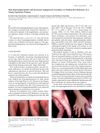
November 2008 in “Journal of the American Academy of Dermatology” Consider necrolytic acral erythema in similar cases and treat with oral zinc sulfate.
 May 2017 in “Journal of The American Academy of Dermatology”
 The new baby shampoo and wash with stearic acid is safe and potentially effective for nourishing babies' skin.
 16 citations
,
January 2008 in “Acta dermato-venereologica”
16 citations
,
January 2008 in “Acta dermato-venereologica” Vitamin B12 deficiency can cause skin darkening and increased blood vessels, but treatment can improve symptoms.
1 citations
,
January 2010 in “Endocrine abstracts” 12 citations
,
November 2024 in “International Journal of Molecular Sciences” Hydroxytyrosol helps reduce liver injury by blocking certain inflammation pathways.
16 citations
,
March 1986 in “Biochemical Pharmacology”  January 2023 in “Dermatologic Therapy”
 The nutritional supplement Pilopeptan® WOMAN improved hair growth and thickness in women with hair loss.
246 citations
,
April 1976 in “Annals of Surgery” Zinc is crucial in nutrition, and its deficiency can cause health issues like diarrhea and hair loss, which improve with zinc therapy.
 October 2022 in “The American journal of gastroenterology”
 Thymoma-associated multiorgan autoimmunity can cause liver damage and affects multiple organs, with limited treatment options and a generally poor prognosis.
 1 citations
,
June 2019 in “Food Research”
1 citations
,
June 2019 in “Food Research” Tempeh oil rich in linoleic acid may protect against skin aging caused by UV light.
June 2026 in “Frontiers in Medicine” The serum improved hair growth and condition after hair transplant.
 4 citations
,
January 2024 in “Scientific Reports”
4 citations
,
January 2024 in “Scientific Reports” Interferon therapy improves quality of life for chronic hepatitis B patients.
10 citations
,
November 2020 in “American Journal Of Pathology” Integrin β1 is crucial for liver structure and function, preventing fibrosis.
 4 citations
,
October 2020 in “Animal Bioscience”
4 citations
,
October 2020 in “Animal Bioscience” Using cans with beans improves Rex rabbits' growth, meat quality, and hair follicle density.
 April 2016 in “Journal of Investigative Dermatology”
 Lithocholic acid helps hair growth and regeneration in alopecia by activating vitamin D receptors.
December 2010 in “Journal of Oriental Medicine” Black bean, wheat, and rice bran extracts can improve hair growth and quality.
86 citations
,
June 2018 in “Cochrane library” Mycophenolate mofetil may improve lupus nephritis remission more than cyclophosphamide but with uncertain safety.
August 2022 in “Theriogenology” Neurosteroids affect prolactin levels in sheep differently depending on stress and pregnancy conditions.
2 citations
,
November 1996 in “Transplantation” Injecting recipient splenocytes into donors' thymus can prevent graft-versus-host disease.