 2 citations
,
December 2023 in “Journal of clinical immunology”
2 citations
,
December 2023 in “Journal of clinical immunology” Ruxolitinib significantly improves multiple autoimmune conditions in APS-1 patients.
January 2026 in “Dermatologic Therapy” Photobiomodulation therapy effectively promotes hair regrowth and improves quality of life in alopecia areata without side effects.
 13 citations
,
June 2010 in “Journal of dermatological treatment”
13 citations
,
June 2010 in “Journal of dermatological treatment” Diphencyprone is effective for treating patchy hair loss in alopecia areata, but tacrolimus is not.
 May 2023 in “Journal of managed care & specialty pharmacy”
 Alopecia areata causes hair loss and life quality issues; current treatments are often unsatisfactory, but new drugs like JAK inhibitors show promise.
 January 2026 in “Dermatology and Therapy” May 2025 in “JEADV Clinical Practice”
 The cream effectively treats scalp psoriasis, improving symptoms and quality of life, with high patient satisfaction.
 May 2020 in “JAAD case reports”
 Using anthralin and calcipotriene together might help treat tough cases of alopecia areata, but more research is needed to understand how it works.
 3 citations
,
August 2024 in “Cureus”
3 citations
,
August 2024 in “Cureus” Upadacitinib may cause hair loss.
2 citations
,
April 2025 in “Biologics” Dupilumab and ustekinumab are promising treatments for alopecia areata, showing significant hair regrowth.
 7 citations
,
April 2021 in “British Journal of Dermatology”
7 citations
,
April 2021 in “British Journal of Dermatology” Topical tofacitinib may effectively and safely regrow facial hair in some people with alopecia areata.
68 citations
,
April 2012 in “Digestive and Liver Disease” Elental is a good long-term treatment for Crohn's disease, similar to 6-mercaptopurine but with fewer side effects.
December 2025 in “Journal of Human Immunity” JAK inhibitors may help improve symptoms in adults with APECED.
 60 citations
,
September 2013 in “Alimentary Pharmacology & Therapeutics”
60 citations
,
September 2013 in “Alimentary Pharmacology & Therapeutics” Immunosuppressive and anti-TNF therapies in IBD patients can increase the risk of skin cancer and cause various skin issues.
701 citations
,
August 2014 in “Nature medicine” Alopecia areata can be reversed by JAK inhibitors, promoting hair regrowth.
May 2026 in “Journal of Human Immunity” Ruxolitinib reduced inflammation and improved symptoms in APECED patients but may cause anemia and weight gain.
 16 citations
,
January 2019 in “Skin appendage disorders”
16 citations
,
January 2019 in “Skin appendage disorders” Intralesional corticosteroids work best for mild alopecia areata, and DPCP works best for moderate to severe cases.
January 2001 in “대한피부과학회지” Oral minipulse therapy with betamethasone effectively promotes hair regrowth in alopecia areata with fewer side effects.
10 citations
,
October 2011 in “Dermatologica Sinica” A patient with PPP had rare skin reactions to adalimumab, which improved after stopping smoking and continuing acitretin.
2 citations
,
August 2022 in “Frontiers in Immunology” Microneedling with betamethasone led to almost complete hair regrowth in severe alopecia areata.
 March 2016 in “Reactions Weekly”
 A woman experienced hair loss, nail changes, bone marrow suppression, and low blood protein after taking azathioprine.
132 citations
,
November 1998 in “Journal of the American Academy of Dermatology” Topical sensitizers have mixed success in treating alopecia areata.
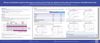 November 2024 in “SKIN The Journal of Cutaneous Medicine”
 Ritlecitinib effectively promotes hair regrowth in severe and very severe alopecia areata.
39 citations
,
March 2008 in “British Journal of Dermatology” Etanercept may cause lichen planopilaris, so doctors should be cautious.
27 citations
,
May 2011 in “Journal of dermatology” Methylprednisolone pulse therapy works best for recent and specific types of severe alopecia areata.
28 citations
,
July 2015 in “Dermatologic therapy” The combined therapy was effective and safe for children with severe alopecia areata.
April 2025 in “Journal of Cosmetic Dermatology” Azathioprine is a safe and effective long-term treatment for severe alopecia areata, significantly improving hair regrowth.
46 citations
,
October 2018 in “JCI insight” CD8+ T cells are involved in alopecia areata and may cause disease relapse.
July 2021 in “Journal of dermatology & dermatologic surgery” IMTA can help regrow hair in severe alopecia areata when JAK inhibitors don't work well.
 April 2023 in “International Journal of Research in Dermatology”
 Baricitinib is a promising treatment for severe alopecia areata with minimal side effects.
 August 2009 in “Australian Prescriber”
 Eculizumab helps reduce blood transfusions and stabilize hemoglobin but increases infection risk and is expensive.