November 2025 in “Journal of Investigative Dermatology” BTNL2 helps protect hair follicles from immune attacks.
 5 citations
,
January 2021 in “Inflammatory Bowel Diseases”
5 citations
,
January 2021 in “Inflammatory Bowel Diseases” Tofacitinib improved ulcerative colitis, skin ulcers, and hair loss in a patient who didn't respond well to other treatments.
Baricitinib effectively treats alopecia areata, with over half of patients improving after 52 weeks.
 3 citations
,
May 2018 in “Reproductive Sciences”
3 citations
,
May 2018 in “Reproductive Sciences” The drug BAY 1158061 is safe, well-tolerated, and shows potential for treating diseases related to prolactin.
 September 2024 in “Journal of the American Academy of Dermatology”
 Baricitinib 4 mg is effective and safe for treating severe alopecia areata.
3 citations
,
July 2024 in “Archives of Dermatological Research” Oral ritlecitinib and baricitinib are promising treatments for severe alopecia areata due to their balance of effectiveness and safety.
 January 2025 in “SKIN The Journal of Cutaneous Medicine”
 Baricitinib significantly regrows hair in severe alopecia areata patients.
May 2023 in “The Journal of Immunology” BST2 is a key marker for hair loss disease alopecia areata.
35 citations
,
March 2010 in “Journal of Dermatological Science” Ebastine may help regrow hair in alopecia areata patients.
 November 2023 in “Research Portal Denmark”
 Baricitinib shows promise for severe alopecia areata but isn't a cure and has side effects.
 March 2005 in “Journal of the American Academy of Dermatology”
 Bexarotene 1% topical gel helped some patients with alopecia areata regrow hair.
April 2017 in “Leukemia research” Tofacitinib helped most teenagers in the study regrow hair with mild side effects.
Combining baricitinib with golimumab helped regrow hair in a patient with ankylosing spondylitis and alopecia areata.
November 2025 in “The Journal of Immunology” BTNL2 helps protect hair follicles from immune attacks, which could aid in treating alopecia areata.
November 2025 in “Skin Appendage Disorders” Immune cell-targeting biologics show potential for treating alopecia areata but need better-targeted therapies.
November 2025 in “The Journal of Immunology” BST2 is highly expressed in certain immune cells in alopecia areata, suggesting a role in the disease.
July 2022 in “European Journal of Dermatology” Brodalumab is more effective than ustekinumab in treating psoriasis.
 6 citations
,
May 2023 in “Drugs”
6 citations
,
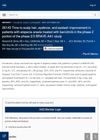
May 2023 in “Drugs” Baricitinib helps regrow hair in adults with severe alopecia better than a placebo and is approved for treatment, but long-term effects are still unknown.
 1 citations
,
August 2021 in “Journal of The American Academy of Dermatology”
1 citations
,
August 2021 in “Journal of The American Academy of Dermatology” Baricitinib helped improve hair, eyebrow, and eyelash growth in alopecia areata patients.
 October 2025 in “Electronic Theses and Dissertations Repository (University of Pisa)”
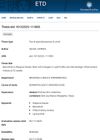
 Baricitinib effectively treated alopecia areata in 73% of patients, with minor metabolic changes and significant changes in inflammatory markers.
 2 citations
,
October 2022 in “Current Allergy and Asthma Reports”
2 citations
,
October 2022 in “Current Allergy and Asthma Reports” Biologic therapies can cause various adverse events, but allergy/immunology clinicians can manage them.
 November 2025 in “SKIN The Journal of Cutaneous Medicine”
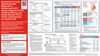
 Baricitinib significantly regrows hair in teens with severe alopecia areata.
September 2002 in “Oncology Times” Promising cancer treatments were found, but the manufacturer closed.
1 citations
,
June 2019 in “Journal of Cutaneous Immunology and Allergy” Squaric acid dibutylester can cause severe skin reactions in people with allergies.
Belimumab may cause hair loss in lupus patients.
4 citations
,
January 2010 in “International journal of trichology” Bexarotene gel shows promise as a new treatment for alopecia areata.
2 citations
,
May 2022 in “The journal of immunology/The Journal of immunology” BST2 protein and certain T cells increase in early alopecia areata.
 June 2024 in “Archives of Medical Science”
 Telitacicept effectively improved hair regrowth in a woman with lupus and alopecia.
 October 2015 in “Elsevier eBooks”
 Aldesleukin can treat certain cancers and increase HIV patient CD4+ counts but often causes severe side effects.
October 2023 in “The Open Dermatology Journal” Baricitinib is effective for severe alopecia areata with manageable side effects, mainly upper respiratory infections.