 25 citations
,
November 2022 in “British journal of dermatology/British journal of dermatology, Supplement”
25 citations
,
November 2022 in “British journal of dermatology/British journal of dermatology, Supplement” Baricitinib for severe alopecia areata is generally safe, with common side effects like infections and acne, and low rates of serious complications.
 March 2026 in “International Journal of Dermatology and Venereology”
 Abrocitinib significantly improved hair regrowth in adolescents with alopecia areata without serious safety issues.
January 2025 in “Reactions Weekly” November 2024 in “Reactions Weekly” May 2023 in “Reactions Weekly”  3 citations
,
September 2024 in “Dermatology and Therapy”
3 citations
,
September 2024 in “Dermatology and Therapy” Previous alopecia areata treatments do not affect the long-term effectiveness of ritlecitinib.
 November 2025 in “SKIN The Journal of Cutaneous Medicine”
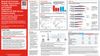
 Baricitinib helps regrow scalp, eyebrow, and eyelash hair in teens with severe alopecia areata.
April 2017 in “Leukemia research” Tofacitinib helped most teenagers in the study regrow hair with mild side effects.
 December 2025 in “npj Breast Cancer”
 Capivasertib improves survival in certain breast cancer cases but requires careful management of side effects.
22 citations
,
May 2011 in “European Journal of Cancer” The drug combination was safe and showed promise in treating advanced tumors.
Oral bicalutamide may cause hair regrowth in male pattern baldness but has significant side effects.
5 citations
,
January 2016 in “International Journal of Trichology” Erlotinib can cause hair loss and texture changes.
56 citations
,
July 2014 in “PloS one” SARMs may be an effective treatment for a certain type of breast cancer by blocking cancer growth and spread.
10 citations
,
March 2023 in “Journal of Chemistry” New compounds show promise for treating benign prostate hyperplasia with fewer side effects.
May 2008 in “Trends in Urology Gynaecology & Sexual Health” Loop diuretics may double bone loss in elderly men, finasteride lowers prostate cancer risk but may increase high-grade tumors, abarelix reduces testosterone quickly, and transdermal testosterone offers minimal sexual benefit for women.
87 citations
,
March 2013 in “Expert Review of Anticancer Therapy” Afatinib often causes skin problems that need proactive management.
 January 2025 in “JAAD International”
 Bicalutamide added no extra benefit over minoxidil alone for female-pattern hair loss.
 December 2023 in “Journal of Ayub Medical College Abbottabad”
 Ritlecitinib effectively treats alopecia areata in patients 12 and older with fewer side effects.
 November 2023 in “Bioorganic Chemistry”
 Drugs targeting the Androgen Receptor are effective for treating prostate cancer and other androgen-related conditions.
January 2026 in “International Journal of Dermatology” Ritlecitinib helps hair regrowth and reduces emotional and functional burdens in alopecia areata.
May 2025 in “Journal of the European Academy of Dermatology and Venereology” Ritlecitinib is effective for long-term hair regrowth in alopecia areata, especially in females and early treatment.
November 2023 in “SKIN The Journal of Cutaneous Medicine” Ritlecitinib effectively maintains hair regrowth in alopecia areata patients.
Baricitinib effectively treats alopecia areata, with over half of patients improving after 52 weeks.
 May 2012 in “Journal of Clinical Oncology”
 Taking 5-alpha reductase inhibitors might be linked to breast cancer in men.
 September 2024 in “Journal of Cutaneous and Aesthetic Surgery”
 Bicalutamide may help treat female pattern hair loss.
 September 2024 in “Drugs & Therapy Perspectives”
 Ritlecitinib effectively regrows hair in severe alopecia areata and is well tolerated.
 July 2005 in “SKINmed/Skinmed”
 BRL 7660, once studied for male contraception, showed promise as an acne treatment but was not developed further due to competing drugs.
 July 1997 in “The Lancet”
 Finasteride increased hair count and regrowth in men with hair loss but also caused more sexual side effects than placebo.
May 2025 in “Immunotherapy” Patients were very satisfied with hair regrowth after taking ritlecitinib for alopecia areata.
 January 1988 in “Inpharma (Balgowlah)”
 New retinoids are effective for various skin conditions and are being developed to have fewer side effects.