Search
for
Sort by
Research
60-90 / 1000+ resultsresearch Impact of Previous Alopecia Areata Treatment on Efficacy Responses After 24 and 48 Weeks of Treatment With Ritlecitinib
research Treatment of vitiligo with the topical Janus kinase inhibitor ruxolitinib: A 32-week open-label extension study with optional narrow-band ultraviolet B
research Baricitinib Provides Higher Efficacy in Adolescents Relative to Adults With Alopecia Areata Despite More Severe Disease at Baseline: 36-Week Outcomes From BRAVE-AA Trials
Baricitinib works better in adolescents than adults for treating severe alopecia areata.
research 증례 : 몸통의 다발성 판으로 나타난 Bortezomib에 의한 약물 발진 2예
Bortezomib chemotherapy can cause temporary skin rashes.
research Updated Integrated Efficacy Analysis of Ritlecitinib Up to 3 Years in Adolescents With Alopecia Areata From the ALLEGRO Clinical Trials
Ritlecitinib is effective long-term for treating alopecia areata in teens.
research Efficacy and safety of ritlecitinib in adolescents with alopecia areata: Results from the ALLEGRO phase 2b/3 randomized, double‐blind, placebo‐controlled trial
Ritlecitinib effectively regrows hair in adolescents with alopecia areata and is safe.
research Distribution of SALT Scores with Ritlecitinib Treatment up to 24 months from the ALLEGRO Phase 2b/3 and Long-Term Phase 3 Clinical Studies in Alopecia Areata
Ritlecitinib effectively reduces severe hair loss in alopecia areata over 24 months.
research Scalp, eyebrow, and eyelash hair regrowth with continued ritlecitinib treatment among patients with alopecia areata without target efficacy response at Week 24: post hoc analysis of the ALLEGRO phase 2b/3 study
Continued ritlecitinib treatment can improve hair regrowth in some alopecia areata patients who initially don't respond.
research Alopecia areata: Ritlecitinib generates substantial re-growth of scalp hair
Ritlecitinib significantly regrows scalp hair in people with alopecia areata.
research Patient-Reported Hair Loss and Its Impacts as Measured by the Alopecia Areata Patient Priority Outcomes Instrument in Patients Treated with Ritlecitinib: The ALLEGRO Phase 2b/3 Randomized Clinical Trial
Ritlecitinib improved hair regrowth and emotional well-being in some alopecia areata patients.
research Efficacy and safety of ritlecitinib in adults and adolescents with alopecia areata: a randomised, double-blind, multicentre, phase 2b–3 trial
Ritlecitinib effectively treats alopecia areata and is well-tolerated.
research Rational Design and Synthesis of 4-((1R,2R)-2-Hydroxycyclohexyl)-2(trifluoromethyl)benzonitrile (PF-998425), a Novel, Nonsteroidal Androgen Receptor Antagonist Devoid of Phototoxicity for Dermatological Indications
PF-998425 is a new, effective, and non-phototoxic treatment for skin conditions related to androgens.
research A phase 2a study investigating the effects of ritlecitinib on brainstem auditory evoked potentials and intraepidermal nerve fiber histology in adults with alopecia areata
Ritlecitinib is safe and may effectively treat alopecia areata.
research Treatment of Psoriasis vulgaris with a New Retinoic Acid Derivative Ro 10-9359
The treatment cleared psoriasis in some patients but caused side effects in most.
research A Single Subcutaneous Dose of BMD-1141 Stimulates Hair Regrowth Comparable to Daily, High-Dose Ruxolitinib in a Mouse Model of Alopecia Areata.
BMD-1141 effectively regrows hair in alopecia areata with less frequent dosing than current treatments.
research Efficacy and safety of the oral Janus kinase 3/tyrosine kinase expressed in hepatocellular carcinoma family kinase inhibitor ritlecitinib over 24 months: integrated analysis of the ALLEGRO phase IIb/III and long-term phase III clinical studies in alopecia areata
Ritlecitinib effectively treats alopecia areata and is safe for long-term use in people 12 and older.
research The selective androgen receptor modulator GTx‐024 (enobosarm) improves lean body mass and physical function in healthy elderly men and postmenopausal women: results of a double‐blind, placebo‐controlled phase II trial
Enobosarm significantly increased muscle mass and improved physical function in elderly men and postmenopausal women without serious side effects.
research A Patient Preference-Weighted Quantitative Benefit-Risk Analysis of Ritlecitinib for Alopecia Areata to Inform Medical Decision Making
research Efficacy and Safety of Ritlecitinib in Alopecia Areata: A Systematic Review and Meta-Analysis (Preprint)
Ritlecitinib improves hair regrowth in alopecia areata without increasing adverse risks.
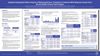
research Updated Integrated Safety Analysis of Ritlecitinib Over 72 Months In Patients With Alopecia Areata From the ALLEGRO Clinical Trial Program
Ritlecitinib is generally safe for alopecia areata patients over 72 months.
research Treatment of Steroid-Resistant Beard-Restricted Alopecia Areata with Baricitinib
Baricitinib helped treat a man's beard hair loss when steroids didn't work.
research Pediatric Clinical Trial Program in Progress: A Phase 3 Study and Long-term Extension Study to Evaluate the Efficacy and Safety of Ritlecitinib in Children 6 to <12 years of Age With Severe Alopecia Areata
Ritlecitinib is being tested for safety and effectiveness in young children with severe alopecia areata.
research 42005 Sustained scalp, eyebrow, and eyelash hair regrowth with ritlecitinib through Week 48 in patients with alopecia areata: post hoc analysis of the ALLEGRO phase 2b/3 study
Ritlecitinib effectively regrows and maintains scalp, eyebrow, and eyelash hair in alopecia areata patients.
research Vandetanib
A man developed alopecia areata after starting cancer treatment with vandetanib.
research BRAF Inhibitor Dabrafenib in Patients with Metastatic BRAF-Mutant Thyroid Cancer
Dabrafenib was effective and well tolerated in treating thyroid cancer with a specific mutation.
research Ruxolitinib found to cause eyelash growth: a case report
Ruxolitinib treatment may cause eyelash growth.
research Directed elimination of senescent cells by inhibition of BCL-W and BCL-XL
Blocking specific proteins can help remove aging cells and might treat age-related diseases and promote hair growth.
research A single center, pilot, double-blinded, randomized, comparative, prospective clinical study to evaluate improvements in the structure and function of facial skin with tazarotene 0.1% cream alone and in combination with GliSODin® Skin Nutrients Advanced A
Using tazarotene with GliSODin improves facial skin more than tazarotene alone.
research Anlotinib or Bevacizumab Combined with Taxane/Capecitabine for the Second-Line or Subsequent Treatment of HER-2 Negative Metastatic Breast Cancer: A Retrospective Cohort Study
Anlotinib combined with taxane/capecitabine is more effective than bevacizumab for treating HER-2 negative metastatic breast cancer.