17 citations
,
October 2024 in “Journal of the American Academy of Dermatology” Brepocitinib effectively reduces inflammation and improves symptoms in cicatricial alopecia with good safety.
 April 2026 in “Clinical Journal of Gastroenterology”
 Upadacitinib can cause hypersensitivity that worsens ulcerative colitis symptoms.
 25 citations
,
October 2019 in “JAAD Case Reports”
25 citations
,
October 2019 in “JAAD Case Reports” Baricitinib helped a woman with severe hair loss regrow almost all her hair without side effects.
86 citations
,
January 1990 in “The Journal of Pediatrics” Children with partial biotinidase deficiency are healthy at birth but may develop symptoms that improve with biotin therapy.
 January 2025 in “Balkan Medical Journal”
 Baricitinib helps regrow hair in severe alopecia areata and is safe, but more research is needed.
 6 citations
,
February 2023 in “Journal of the American Academy of Dermatology”
6 citations
,
February 2023 in “Journal of the American Academy of Dermatology” Upadacitinib improved hair regrowth and quality of life in alopecia areata patients with minimal side effects.
May 2024 in “Jurnal Penelitian Farmasi dan Herbal” Meniran leaf extract pomade with 10% concentration effectively stimulates hair growth in rabbits.
 2 citations
,
January 2023 in “Prague Medical Report”
2 citations
,
January 2023 in “Prague Medical Report” JAK inhibitors, like baricitinib, are effective and safe for treating alopecia areata.
19 citations
,
August 2023 in “Journal of Dermatological Treatment” Abrocitinib may effectively treat stubborn alopecia universalis.
 3 citations
,
August 2025 in “Frontiers in Pharmacology”
3 citations
,
August 2025 in “Frontiers in Pharmacology” Oral JAK inhibitors are safe for alopecia areata, but baricitinib may cause more acne and infections.
June 2020 in “Dermatologic therapy” Using Janus kinase inhibitors (JAKi) in COVID-19 treatment requires careful consideration due to their immunosuppressive effects.
 June 2023 in “British journal of dermatology/British journal of dermatology, Supplement”
 Patients with alopecia areata face challenges accessing Janus kinase inhibitors, but some see positive results.

Baricitinib helped treat a man's beard hair loss when steroids didn't work.
30 citations
,
August 2021 in “Journal of Ethnopharmacology” Akebia quinata and Akebia trifoliata have many health benefits and potential medical uses.
3 citations
,
July 2025 in “British Journal of Dermatology” Cinainu is effective and safe for treating children's alopecia areata.
 41 citations
,
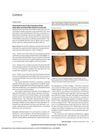
December 2015 in “JAMA Dermatology”
41 citations
,
December 2015 in “JAMA Dermatology” Tofacitinib citrate improved nail dystrophy and pain in patients with alopecia universalis without causing side effects.
 3 citations
,
May 2023 in “Clinical drug investigation”
3 citations
,
May 2023 in “Clinical drug investigation” JAK inhibitors for alopecia areata are linked to minor side effects like headache and acne, but not to an increased risk of serious adverse events.
July 2024 in “Journal of Investigative Dermatology” Brepocitinib reduces interferon signaling in hidradenitis suppurativa patients.
June 2026 in “Journal of Ethnopharmacology” 2 citations
,
February 2025 in “Archives of Dermatological Research” Baricitinib is a safe and effective alternative for alopecia areata patients who do not respond to tofacitinib.
The 7.5% talok and 2% pare leaf extract hair tonic effectively promotes hair growth, similar to minoxidil.
 40 citations
,
January 2017 in “Intestinal Research”
40 citations
,
January 2017 in “Intestinal Research” Genotyping for NUDT15 p.Arg139Cys can help predict thiopurine side effects in Japanese IBD patients.
September 2023 in “Journal of the American Academy of Dermatology” Oral Janus kinase inhibitors are effective for treating alopecia areata in adults.
 July 2023 in “Journal of Natural Remedies”
 Shell ginger contains kavalactones that promote hair growth and have anti-cancer, anti-inflammatory, and anti-obesity effects.
14 citations
,
July 2019 in “Journal of Investigative Dermatology” Integrin-linked kinase is crucial for melanoblasts to properly colonize the skin.
 March 2026 in “Indian Journal of Dermatology”
 Baricitinib can cause excessive hair growth.
 23 citations
,
November 2015 in “Phytotherapy Research”
23 citations
,
November 2015 in “Phytotherapy Research” Certain herbal compounds, especially from bitter melon, can inhibit cancer growth and promote hair growth by blocking PAK1.
9 citations
,
January 1975 in “PubMed” Nude mice are hairless due to a shared defect affecting both skin and thymus, not just thymic issues.
4 citations
,
October 2024 in “Journal of the American Academy of Dermatology” Abrocitinib may help treat alopecia areata effectively with mild side effects.
December 2009 in “Faculty Opinions – Post-Publication Peer Review of the Biomedical Literature” Noggin promotes skin tumors by activating Wnt and Shh pathways.