 January 2023 in “Al-Azhar International Medical Journal /Al-Azhar International Medical Journal”
 Acne patients have higher mTOR gene expression.
 December 2022 in “Journal of neurodevelopmental disorders”
 Hair follicle sampling is a practical method for measuring biomarkers in children with and without Fragile X syndrome.
 December 2021 in “Research Square (Research Square)”
 Hair follicle sampling is a feasible method to measure FMRP and FMR1 mRNA levels in children.
 December 2021 in “Benha Journal of Applied Sciences”
 Higher Claudin 3 levels in the blood are linked to more severe alopecia areata.
 October 2021 in “Dermatology Reports”
 Higher IL-17A levels indicate more severe alopecia areata.
 January 2021 in “bioRxiv (Cold Spring Harbor Laboratory)”
 Mothers have more hair proteins than their children, with age-related differences in protein patterns, and some proteins in hair could indicate early childhood development.
 September 2019 in “Journal of Investigative Dermatology”
 Targeted therapy with Ustekinumab significantly improved a skin condition called ILVEN, which is caused by mutations in the CARD14 gene.
 September 2019 in “Journal of Investigative Dermatology”
 People with pattern hair loss have higher polyamine levels in the top of their head compared to the back.
 April 2019 in “Journal of Investigative Dermatology”
 The PROCLIPI study found markers that help predict outcomes in skin lymphoma patients.
Hair cortisol content can indicate cortisol exposure and varies with age, puberty, and BMI in youth.
October 2018 in “Oncology Times” Hair is important for aging and cancer treatment, affecting emotions, culture, and health.
 July 2018 in “European Medical Journal”
 Fumaric acid esters, especially dimethylfumarate, improve psoriasis treatment.
January 2018 in “한국피부장벽학회지” DHCer levels in hair could be a biomarker for alopecia progression.
 January 2018 in “Stem cells in clinical applications”
 Exosomes show promise for tissue repair and regeneration with advantages over traditional cell therapies.
 September 2017 in “Journal of Investigative Dermatology”
 Certain miRNAs might be involved in a hair loss condition called frontal fibrosing alopecia and could possibly help in its diagnosis.
The conclusion is that a more comprehensive and precise approach is needed for diagnosing PCOS to address its broader health risks.
February 2017 in “Faculty Opinions – Post-Publication Peer Review of the Biomedical Literature” Hair cortisol measurement is a promising, non-invasive tool for monitoring cortisol exposure over time.
 January 2017 in “NASA Technical Reports Server (NASA)”
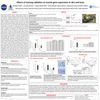
 Early changes in skin gene expression can predict later bone mass loss after radiation exposure.
 January 2017 in “Elsevier eBooks”
 Antioxidants may help improve mitochondrial health and could be used to treat diseases related to cell damage.
April 2016 in “The journal of investigative dermatology/Journal of investigative dermatology” The ALADIN score can predict how well patients with alopecia areata will respond to JAK inhibitor treatments.
 June 2011 in “Expert Review of Dermatology”
 Researchers discovered potential origins and new treatments for skin cancer, including biomarkers for melanoma and therapies that reduce tumor growth.
January 2008 in “한국미용학회지” Certain enzymes and a growth factor were higher in mice treated with minoxidil or a peppermint and rosemary oil mix, which may be good indicators of hair growth.
January 2007 in “동물실험대체법학회지” In vitro methods for testing cosmeceuticals need improvement for better human relevance and reliability.
May 2023 in “Journal of Cosmetic Dermatology” Androgenetic alopecia is linked to higher cardiovascular and metabolic risks, possibly due to irisin resistance.
February 2023 in “Singapore Medical Journal” Men with androgenetic alopecia have unique metabolomic patterns that could help develop targeted treatments.
December 2021 in “Egyptian Journal of Dermatology and Venereology” Oxidative stress may worsen female pattern hair loss and could help track the disease and treatment.
 432 citations
,
April 2014 in “Nature communications”
432 citations
,
April 2014 in “Nature communications” A mother's diet at conception can cause lasting genetic changes in her child.
319 citations
,
March 2023 in “Science Advances” A wearable patch speeds up healing of chronic wounds by monitoring and treating them.
 89 citations
,
January 2013 in “Acta dermato-venereologica”
89 citations
,
January 2013 in “Acta dermato-venereologica” The document concludes that dandruff and seborrheic dermatitis are linked to inflammation and skin changes, and treating them with specific shampoos can reduce these issues.
70 citations
,
September 2008 in “PubMed” MicroRNAs are important for skin development and diseases and could be used for treatment and diagnosis.