
The workshop promoted better medicine use and health practices through global collaboration.

The workshop successfully promoted better medicine use and international collaboration.

PlacMA hydrogels from human placenta are versatile and useful for cell culture and tissue engineering.
 December 2019 in “University of Malaya Students Repository”
 Mimosine from Leucaena leucocephala can enhance biodiesel stability.
 December 2013 in “Biomedical and biopharmaceutical research”
 Nanotechnology shows promise for better drug delivery and cancer treatment.
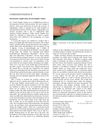 May 2002 in “British Journal of Dermatology”
 A pregnant woman's skin condition improved after giving birth, possibly due to high estrogen levels during pregnancy.
 May 2026 in “International Journal of Nanomedicine”
 Nanozymes help heal burn wounds by fighting bacteria, reducing inflammation, and promoting blood vessel growth.
 September 2025 in “Medical Materials Research”
 Microneedles offer a painless, precise, and versatile method for drug delivery and disease treatment.
 January 2025 in “Nanotechnology Reviews”
 Pumpkin seed extract can create copper oxide nanoparticles with potential antibacterial and cancer-fighting properties.
 March 2024 in “International Journal of Drug Delivery Technology”
 Electrospun nanofiber mats are effective drug carriers for improving wound healing.
 May 2023 in “Current Medicinal Chemistry”
 Microneedle patches improve drug delivery for skin treatments and cosmetic enhancements.
 2 citations
,
December 2022 in “PÄDI Boletín Científico de Ciencias Básicas e Ingenierías del ICBI”
2 citations
,
December 2022 in “PÄDI Boletín Científico de Ciencias Básicas e Ingenierías del ICBI” Bioceramic and biopolymer composites are promising for advanced wound care, promoting healing and cell growth.
 July 2023 in “Medicina Estética Revista Científica de la Sociedad Española de Medicina Estética (SEME)”
 Infrared light, alone or with hyaluronic acid, effectively treats skin laxity with minimal side effects.
18 citations
,
February 2024 in “Skin Research and Technology” Combining different treatments often works best for acne scars, but see a dermatologist first.
 September 2025 in “Journal of Cutaneous and Aesthetic Surgery”
 Scalp micropigmentation improves appearance and satisfaction in scarring alopecia but may require repeat sessions.
September 2025 in “Acta Biomaterialia” A new tissue adhesive helps wounds heal better by allowing more cells to enter.
143 citations
,
January 2012 in “Cell and Tissue Research” 27 citations
,
January 2018 in “Drug Delivery” GC10/DOX hydrogel shows promise as an effective thyroid cancer treatment.
 2 citations
,
May 2023 in “Frontiers in Bioengineering and Biotechnology”
2 citations
,
May 2023 in “Frontiers in Bioengineering and Biotechnology” The document concludes that more research is needed on making and understanding biomaterial scaffolds for wound healing.
June 2026 in “Journal of Pharmaceutical Innovation” 45 citations
,
March 2020 in “International Journal of Nanomedicine” Clove essential oil nanoemulgel effectively reduces skin inflammation and is a promising alternative to traditional anti-inflammatory drugs.
26 citations
,
November 2022 in “European journal of medical research” Nanoparticles can effectively treat diseases by modifying blood vessel growth.
25 citations
,
February 2024 in “Pharmaceutics” Nanocarriers can make acne treatments more effective and gentle on the skin.
24 citations
,
August 2021 in “Biologics” Stem cell therapy shows promise in improving burn wound healing.
24 citations
,
February 2021 in “Polymers” The mats help heal wounds and support bone growth while controlling infections.
17 citations
,
January 2023 in “Frontiers in Bioengineering and Biotechnology” The sponges effectively prevent dry socket by stopping bleeding and killing bacteria after tooth extraction.
9 citations
,
November 2024 in “Biotechnology for Sustainable Materials” Keratin-based biomaterials are promising for wound healing, drug delivery, and nerve regeneration due to their biodegradability and biocompatibility.
6 citations
,
March 2023 in “Materials” The GNP crosslinked scaffold with antibacterial coating is effective for rapid wound healing and infection prevention.
3 citations
,
June 2025 in “Biomedical Reports” Nanotechnology can improve cervical cancer treatment by targeting drugs better and reducing side effects.
2 citations
,
January 2022 in “BioMed Research International” Finasteride-loaded nanogels are effective, safe, and improve drug absorption through the skin.