February 2026 in “Biochemical and Biophysical Research Communications” Scientists successfully regenerated functional hair follicles using specific stem cells and mesenchymal cells.
 16 citations
,
November 2011 in “PubMed”
16 citations
,
November 2011 in “PubMed” The treatment improved hair growth in people with male pattern baldness.
11 citations
,
September 2023 in “ACS Omega” 3D bioprinting is advancing rapidly, improving regenerative therapy and drug delivery.
October 2013 in “한국생물공학회 학술대회” Poly-γ-glutamic acid may help reduce hair loss.
52 citations
,
March 2015 in “Tissue Engineering Part C Methods” 3D images of skin show collagen is evenly spread, but elastic fibers are fewer near hair follicles.
20 citations
,
April 2009 in “Cell Biology International” Hair follicle stem cells can become corneal-like cells with the help of pax6.

Technology can improve sexual dysfunction in chronic disease patients but faces challenges like cost and accessibility.
49 citations
,
February 2025 in “Science Advances” Biomimetic synthetic vesicles could improve precision medicine by combining natural and synthetic benefits.
30 citations
,
April 2023 in “Indian Journal of Ophthalmology” New treatments using advanced technology aim to improve dry eye disease care.
 28 citations
,
September 2013 in “Journal of Investigative Dermatology”
28 citations
,
September 2013 in “Journal of Investigative Dermatology” The document concludes that dermal papilla cells are key for hair growth and could be used in new hair loss treatments.
 25 citations
,
April 2021 in “The EMBO Journal”
25 citations
,
April 2021 in “The EMBO Journal” Hair follicle stem cells help maintain skin health and could improve skin replacement therapies.
18 citations
,
August 2015 in “International Journal of Molecular Sciences” Ovine hair follicle stem cells can regenerate haired skin and may improve wool production.
15 citations
,
July 2022 in “Biomedicines” UGRSKIN absorbs UV like native skin after 21-28 days, making it potentially suitable for clinical use.
5 citations
,
November 2024 in “Advanced Science” A new culture system can grow tooth-like structures from dental cells but can't yet develop roots.
4 citations
,
May 2025 in “Stem Cell Research & Therapy” Extracellular vesicles may help prevent and repair spine disc degeneration.
 4 citations
,
January 2013 in “Inflammation and Regeneration”
4 citations
,
January 2013 in “Inflammation and Regeneration” Stem cell-based therapies can regenerate and replace teeth effectively.
3 citations
,
July 2025 in “Current Issues in Molecular Biology” Dental pulp stem cells can help heal skin and mucosal wounds effectively.
 2 citations
,
December 2022 in “Journal of Biochemistry and Molecular Biology”
2 citations
,
December 2022 in “Journal of Biochemistry and Molecular Biology” Organoids created from stem cells are used to model diseases, test drugs, and develop personalized and regenerative medicine.
 June 2026 in “Journal of Biological Engineering”
 Stem cell therapies are advancing quickly with new technologies and need supportive regulations for clinical use.

Mechanical surface cues can control macrophage behavior for better immunotherapy and tissue healing.
 January 2026 in “Journal of Biomedical Research”
 Small extracellular vesicles from stem and immune cells show promise for treating various diseases but face challenges in clinical use.
January 2026 in “Biocell” Gut microbiota-derived exosomes could be effective natural carriers for targeted drug delivery in personalized medicine.
December 2025 in “Aesthetic Surgery Journal” Exosomes are promising tools in aesthetic medicine for skin and hair regeneration.

Regenerative cosmetics can improve skin and hair by reducing wrinkles, healing wounds, and promoting hair growth.
 3 citations
,
February 2021 in “Experimental dermatology”
3 citations
,
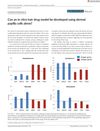
February 2021 in “Experimental dermatology” Dermal papilla microtissues could be useful for initial hair growth drug testing.
26 citations
,
August 2024 in “Frontiers in Bioengineering and Biotechnology” Antimicrobial dressings are promising but need more research to confirm their effectiveness in healing wounds.
6 citations
,
August 2025 in “Frontiers in Bioengineering and Biotechnology” Platelet-derived exosomes offer better regenerative therapy but face challenges in isolation and regulation.
6 citations
,
October 2024 in “Frontiers in Bioengineering and Biotechnology” A special hydrogel helps stem cells heal wounds better by boosting growth factors.
6 citations
,
August 2024 in “Frontiers in Bioengineering and Biotechnology” 3D printing shows promise for repairing eardrum perforations but needs more research on materials.
 1 citations
,
January 2026 in “Frontiers in Bioengineering and Biotechnology”
1 citations
,
January 2026 in “Frontiers in Bioengineering and Biotechnology” Ionizable lipid nanoparticles are the best for delivering gene-editing therapies.