 March 2026 in “Zenodo (CERN European Organization for Nuclear Research)”
 The N-K GM Series offers highly selective, eco-friendly antimicrobials free for everyone.
June 2023 in “Journal of Face Aesthetics” PRF is promising for dental and aesthetic uses but needs more research.
 8 citations
,
January 2023 in “Biosensors”
8 citations
,
January 2023 in “Biosensors” Piezoelectric Nanogenerators are promising for non-invasive health monitoring but need efficiency and durability improvements.
14 citations
,
October 2024 in “Nano Convergence” The hydrogel with silver nanoparticles effectively heals MRSA-infected wounds.
 January 2026 in “Saudi Journal of Medical and Pharmaceutical Sciences”
 Gel D shows promise as a natural hair care solution for traction alopecia.
 10 citations
,
January 2014 in “Journal of prosthodontic research”
10 citations
,
January 2014 in “Journal of prosthodontic research” Bioengineered salivary glands in mice can produce saliva when tasting sour or bitter, but have different protein levels and nerve signals compared to natural glands.
 May 2022 in “Голова и шея.”
 Glycolon is the best suture material for tooth extraction surgeries.
 March 2023 in “JIIS (Jurnal Ilmiah Ibnu Sina): ilmu farmasi dan kesehatan”
 The best biotin hair tonic formula has 20% span 80, 9.47% tween 80, and 5% PEG 400.

The hydrogel platform speeds up healing in diabetic wounds.
 15 citations
,
December 2015 in “Textile Research Journal”
15 citations
,
December 2015 in “Textile Research Journal” Adding amber particles to polyamide fibers makes them suitable for medical textiles like compression socks.
 165 citations
,
October 2013 in “Nature Communications”
165 citations
,
October 2013 in “Nature Communications” Scientists made working salivary glands in mice using bioengineered cells, which could help treat dry mouth.
April 2025 in “Journal of Biophotonics” PBM therapy improves mitochondrial function and promotes tissue regeneration in dental pulp stem cells.
October 2025 in “The Scientific Issues of Ternopil Volodymyr Hnatiuk National Pedagogical University Series pedagogy” Modern techniques like guided bone regeneration and PRP therapy improve bone regeneration in dentistry.
July 2026 in “Facial Plastic Surgery Clinics of North America”  8 citations
,
July 2014 in “Hair transplant forum international”
8 citations
,
July 2014 in “Hair transplant forum international” Bio-enhanced hair restoration, using methods like growth factors, stem cells, and ATP, results in better hair growth and density than traditional hair transplants.
 December 2023 in “Chiwi'saeng'gwa haghoeji”
 Hair keratin protein might help heal mouth wounds faster.
March 2024 in “Journal of functional biomaterials” A kimchi-derived bacterium could help whiten teeth and prevent bad breath.
July 2026 in “npj Regenerative Medicine” Nanoclay gels improve skin wound healing quality in diabetic mice.
1 citations
,
June 2012 in “OhioLink ETD Center (Ohio Library and Information Network)” A new 3-D bioreactor system improves drug screening and reduces animal testing.
 1 citations
,
January 2024 in “Journal of applied pharmaceutical science”
1 citations
,
January 2024 in “Journal of applied pharmaceutical science” Bacteria from Xylocarpus fruit can be used in hair creams to treat hair loss and fight infections.
January 2026 in “International Journal of Biological Macromolecules” The hydrogel improves hair growth treatment by enhancing drug delivery and promoting follicle repair.
 1 citations
,
January 2026 in “Frontiers in Cell and Developmental Biology”
1 citations
,
January 2026 in “Frontiers in Cell and Developmental Biology” AI improves biomaterial design by making it faster, cheaper, and more effective for personalized medicine.
 June 2025 in “Biomacromolecules”
 The hydrogel helps heal infected wounds by lowering pH, reducing bacteria, and promoting cell growth.
17 citations
,
January 2024 in “Journal of Materials Chemistry B” Magneto-responsive biocomposites help heal wounds faster and better.
262 citations
,
May 2020 in “Advanced Functional Materials” The hydrogel promotes faster healing of infected wounds by enhancing tissue regeneration and preventing infection.
75 citations
,
September 2015 in “Acta biomaterialia” Alkylation of human hair keratin allows for adjustable drug release rates in hydrogels for medical use.
November 2023 in “Applied sciences” Pig blood can be used to mass-produce stable, low-cost platelet dry powder for medical use.
 15 citations
,
June 2020 in “Applied Materials Today”
15 citations
,
June 2020 in “Applied Materials Today” The SA-MS hydrogel is a promising material for improving wound healing and skin regeneration in diseases like diabetes and skin cancer.
 9 citations
,
December 2024 in “Nano Research”
9 citations
,
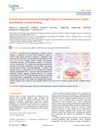
December 2024 in “Nano Research” A protein-based hydrogel helps heal diabetic wounds and repair nerves.
March 2023 in “International Journal of bioprinting” Zinc/silicon-infused hydrogel helps regenerate hair follicles.