 11 citations
,
August 2014 in “PubMed”
11 citations
,
August 2014 in “PubMed” Women with acne often have higher levels of male hormones and are more likely to be overweight, both of which can make acne worse.
 2 citations
,
September 2002 in “Journal of Endocrinological Investigation”
2 citations
,
September 2002 in “Journal of Endocrinological Investigation” The GH-IGF-I axis is likely involved in the hormonal imbalances seen in non-obese women with functional hyperandrogenism.
 January 2021 in “Scandinavian journal of clinical and laboratory investigation”
 The document describes a way to measure biotin in blood to prevent wrong test results in hormone level testing.
 21 citations
,
March 2018 in “Experimental Dermatology”
21 citations
,
March 2018 in “Experimental Dermatology” The guide explains how to study human skin fat cells and their tissue, aiming to improve research and medical treatments.
 October 2024 in “Irish Journal of Medical Science (1971 -)”
 Electrical stimulation with a low-calorie diet reduces appetite, weight, and blood pressure in obese people with sleep apnea.
 April 2026 in “Journal of Aesthetic Medicine”
 The MIRA technique improves cellulite treatment and skin quality better than standard methods.
Women with PCOS have different body composition and some metabolic differences compared to healthy women.
4 citations
,
March 2023 in “Cancer Innovation” Flexible bioelectronics show promise in non-invasive cancer detection and treatment but need improvements in stability and effectiveness.
 January 2024 in “Experimental and clinical endocrinology & diabetes”
 A low-glycemic diet improved hormone levels and well-being in overweight women with high androgen levels.
 April 2023 in “Journal of Investigative Dermatology”
 Tumescent liposuction reduces waist and hip size but doesn't significantly change metabolic markers, though it may slightly improve blood pressure and certain protein levels.
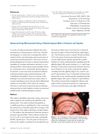 1 citations
,
May 2016 in “Dermatologic Surgery”
1 citations
,
May 2016 in “Dermatologic Surgery” The document concludes that using a phototrichogram with a protractor and tapeline is a reliable and noninvasive way to measure hair loss.
5 citations
,
May 2025 in “Nature Communications” Dietary fats are stored in the skin, affecting body heat regulation.
 64 citations
,
August 1999 in “The American journal of medicine”
64 citations
,
August 1999 in “The American journal of medicine” The transscrotal testosterone patch normalizes hormone levels in men with AIDS and weight loss but does not improve weight, body mass, or quality of life.
 3 citations
,
May 2021 in “International Journal of Endocrinology and Metabolism”
3 citations
,
May 2021 in “International Journal of Endocrinology and Metabolism” Irisin and GIP levels are not linked to BMI in women, regardless of PCOS status.
 29 citations
,
March 2008 in “Dermatologic Surgery”
29 citations
,
March 2008 in “Dermatologic Surgery” The Cross-section Trichometer is a new tool that can measure hair quantity and detect hair loss and growth.
21 citations
,
December 2012 in “Biological Trace Element Research” Higher hair levels of calcium and magnesium are linked to higher body weight, while lower levels are linked to worse metabolic health.
22 citations
,
May 2006 in “Experimental and Clinical Endocrinology & Diabetes” Calculated testosterone values are reliable for assessing hyperandrogenemia in women, making direct measurement unnecessary.
 3 citations
,
February 2025 in “Endocrine”
3 citations
,
February 2025 in “Endocrine” Confirm testosterone levels with advanced tests to avoid unnecessary procedures.
May 2026 in “Electronic Journal of General Medicine” Irisin and betatrophin levels change differently in PCOS, which may help assess metabolic risks.
 4 citations
,
March 2015 in “Skin Research and Technology”
4 citations
,
March 2015 in “Skin Research and Technology” Trichotillometry is a reliable method to measure hair strength and assess hair loss treatments.
June 1984 in “Clinical Biochemistry” Hair chromium levels might indicate chromium status and relate to glucose metabolism issues.
 March 2023 in “Здобутки клінічної і експериментальної медицини”
 Low vitamin D in overweight teens is linked to higher leptin and lower adiponectin, affecting metabolism.
 2 citations
,
December 2015 in “International Journal of Dermatology”
2 citations
,
December 2015 in “International Journal of Dermatology” Washing test helps identify hair loss type, low iron levels significant.
 9 citations
,
January 2017 in “Ginekologia Polska”
9 citations
,
January 2017 in “Ginekologia Polska” A higher testosterone to dihydrotestosterone ratio may indicate worse metabolic health in women.
 8 citations
,
March 2012 in “The Journal of Steroid Biochemistry and Molecular Biology”
8 citations
,
March 2012 in “The Journal of Steroid Biochemistry and Molecular Biology” Testosterone and dihydrotestosterone have similar effects on body composition and metabolic health in men.
2 citations
,
January 2005 in “PubMed” Women with excessive body hair often have higher male hormones and related health issues.
November 2025 in “BMC Endocrine Disorders” The TT/DHT ratio may help identify PCOS patients with severe metabolic issues.
13 citations
,
September 2013 in “Steroids” The DHT immunoassay is unreliable due to high cross-reactivity with testosterone.
 90 citations
,
February 2013 in “The Journal of Clinical Endocrinology and Metabolism”
90 citations
,
February 2013 in “The Journal of Clinical Endocrinology and Metabolism” Women with PCOS have more body fat and thicker fat layers in certain abdominal areas than women without PCOS.
11 citations
,
December 2002 in “Controlled Clinical Trials” Simple methods using DHT levels effectively assess compliance.