 2 citations
,
October 2004 in “Organic Process Research & Development”
2 citations
,
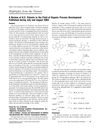
October 2004 in “Organic Process Research & Development” The document reviews 20 U.S. patents from July and August 2004 about new drug forms, cancer treatments, aroma chemicals, statin drugs, and various chemical production methods.
 January 2024 in “Biotechnology advances”
 Bioassays help find useful compounds in nature for making medicines, supplements, and cosmetics.
May 2010 in “Europe PMC (PubMed Central)” Near-infrared probes can safely and effectively image cysteine protease activity for disease diagnosis.
 48 citations
,
April 2024 in “Nature Communications”
48 citations
,
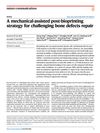
April 2024 in “Nature Communications” The new method improves bone repair by enhancing cell loading and stability in bioprinted scaffolds.
 January 2024 in “Wiadomości Lekarskie”
 New vaccine technologies are improving global health by making vaccines more effective and long-lasting.
8 citations
,
February 2025 in “Cell Systems” Engineered bacteria can deliver antioxidants to protect skin.
November 2019 in “SLAS technology” New findings suggest certain genes and microRNAs are crucial for wound healing, and innovative technologies like smart bandages and apps show promise in improving treatment.
 85 citations
,
July 2025 in “Nature Communications”
85 citations
,
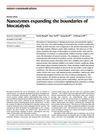
July 2025 in “Nature Communications” Nanozymes greatly improve biocatalysis by being stable, efficient, and versatile.
New bio-ink can print complex tissues and organs.
April 2020 in “The FASEB journal” Poncirin is a promising inhibitor of Janus Kinase 3, potentially better than tofacitinib.
 April 2023 in “IntechOpen eBooks”
 Drug repurposing speeds up drug development, saves money, and has led to about a third of new drug approvals.
10 citations
,
November 2017 in “Letters in drug design & discovery” Researchers identified promising inhibitors for the BRD4 protein, including finasteride and amentoflavone.
July 2026 in “Materials Today Bio” DNA hydrogels can help repair tissues and treat tumors in regenerative medicine.
September 2002 in “Oncology Times” Promising cancer treatments were found, but the manufacturer closed.
48 citations
,
August 2022 in “Chemical Biology & Drug Design” Computer-aided methods can speed up COVID-19 drug discovery and help find new uses for existing drugs.
July 2026 in “Journal of Enzyme Inhibition and Medicinal Chemistry” Improved CRBN ligands make protein degraders more effective and drug-like.
 August 2022 in “IARS international research journal”
 The document concludes that drug repurposing, which is reusing known medicines for new illnesses, can provide faster, cheaper treatment options for various serious diseases, including cancer, COVID-19, and rare diseases.
 1 citations
,
September 2023 in “Research Square (Research Square)”
1 citations
,
September 2023 in “Research Square (Research Square)” The new method improves bone repair by enhancing cell loading and stability in bioprinted scaffolds.
110 citations
,
February 2024 in “Journal of Chemical Information and Modeling” PandaOmics uses AI to find new disease treatment targets and biomarkers.
 39 citations
,
April 2020 in “IntechOpen eBooks”
39 citations
,
April 2020 in “IntechOpen eBooks” Drug repurposing is a cost-effective way to find new uses for existing drugs, speeding up treatment development.
January 2026 in “Microsystems & Nanoengineering” New technologies replicate human skin for testing without animals.
 January 2026 in “International journal of high school research”
 Combining 3D bioprinting and single-cell RNA sequencing improves skin regeneration.
 23 citations
,
January 2022 in “Biomaterials Science”
23 citations
,
January 2022 in “Biomaterials Science” Non-viral vectors show promise for safe and effective CRISPR/Cas9 gene editing in treating diseases.
April 2026 in “Regenerative Medicine” Significant progress and investment in advanced therapies and regenerative medicine continue.
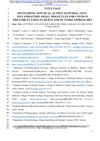
Hit15 shows promise as a COVID-19 treatment by reducing virus infection and inflammation.
 1 citations
,
May 2014 in “Lipid Technology”
1 citations
,
May 2014 in “Lipid Technology” New cleaning surfactants, biofuel production plans, dairy expansions, improved lipid testing methods, and various product launches and developments were reported in lipid technology.
 1 citations
,
January 2022 in “Stem cell biology and regenerative medicine”
1 citations
,
January 2022 in “Stem cell biology and regenerative medicine” New methods to test hair growth treatments have been developed.

Newly designed proteins can effectively degrade specific proteins in cells, offering a promising alternative for targeted protein degradation.
 November 2018 in “The Journal of Allergy and Clinical Immunology: In Practice”
 Using old drugs for new uses can help treat rare immune deficiencies.
 April 2026 in “Trends in biotechnology”
 Nanozymes have potential for medical use but face challenges like safety and regulation.