 2 citations
,
July 2004 in “Proceedings of SPIE, the International Society for Optical Engineering/Proceedings of SPIE”
2 citations
,
July 2004 in “Proceedings of SPIE, the International Society for Optical Engineering/Proceedings of SPIE” Near-infrared laser therapy with Indocyanine Green dye improves acne by reducing inflammation without side effects.
2 citations
,
December 2015 in “DOAJ (DOAJ: Directory of Open Access Journals)” Sonophoresis reduces skin absorption of sodium fluorescein in certain liposomes.
 April 2026 in “Journal of Pharmaceutical and BioTech Industry”
 AI-enhanced smart patches can personalize drug delivery for better treatment outcomes.
January 2026 in “Biochemical Pharmacology” January 2025 in “Journal of Inorganic Materials” Silicate bioceramics/bioglasses improve wound healing by promoting blood vessel growth, collagen production, and preventing infection.
 September 2025 in “Cancer Innovation”
 Clinical trials should use innovative designs and biomarkers to improve precision therapy and patient outcomes.
 December 2008 in “The American Journal of Cosmetic Surgery”
 Multi-pass laser skin treatments improved healing, reduced pain, and had no major complications.
 November 2025 in “Medical alphabet”
 Physiotherapy methods can effectively stimulate hair growth in telogen alopecia.
May 2025 in “American Journal of Veterinary Research” Photobiomodulation did not significantly improve hair density in dogs with alopecia X.
1 citations
,
January 2021 Non-invasive methods can effectively monitor skin inflammation and cancer biomarkers.
 1 citations
,
January 2018 in “Journal of Cosmetic and Laser Therapy”
1 citations
,
January 2018 in “Journal of Cosmetic and Laser Therapy” The editorial introduces various topics on laser and cosmetic treatments in a medical journal.
16 citations
,
August 2023 in “Tissue Engineering and Regenerative Medicine” 1 citations
,
June 2025 in “Therapeutic Delivery” Gas-propelled microneedles can improve drug delivery efficiency and precision.
 March 2026 in “Journal of Nanotheranostics”
 Nanotechnology improves CRISPR-Cas9 delivery for cancer treatment, but challenges remain.
2 citations
,
September 2020 in “bioRxiv (Cold Spring Harbor Laboratory)” The laser system helps study brain cell functions by precisely removing specific cells and observing changes.
 January 2026 in “International Journal of Applied Pharmaceutics”
 Nanoparticle-embedded microneedles improve drug delivery through the skin but face challenges in stability and safety.
 8 citations
,
February 2019 in “Scientific Reports”
8 citations
,
February 2019 in “Scientific Reports” Immunofluorescence tomography is a cost-effective method for creating detailed 3-D images of tissues.
New bio-ink can print complex tissues and organs.
 April 2018 in “The journal of investigative dermatology/Journal of investigative dermatology”
 Higher fluence in hair removal damages hair follicles more, while lower fluence mimics natural hair regression, with long-term IPL treatments effectively reducing hair.
July 2025 in “Nano Research” Microneedles offer a promising, less invasive way to treat and monitor psoriasis.
 117 citations
,
September 2013 in “Lasers in Surgery and Medicine”
117 citations
,
September 2013 in “Lasers in Surgery and Medicine” Red light therapy at 655 nm significantly improved hair growth in men with hair loss.
8 citations
,
July 2025 in “Gels” Functionalized hydrogels can help heal tissues and fight infections by delivering beneficial bacteria and antimicrobials.
A new sprayable hydrogel helps heal wounds faster and reduces inflammation.
 8 citations
,
January 2023 in “RSC Advances”
8 citations
,
January 2023 in “RSC Advances” Carbon dots show promise for tissue repair and growth but need more research to solve current challenges.
 November 2022 in “Journal of Investigative Dermatology”
 The LED light therapy mask improved skin elasticity and reduced signs of aging in a test and in women aged 40-60.
January 2016 in “프로그램북(구 초록집)” LED light promotes hair growth by stimulating cell proliferation and reducing cell death.
12 citations
,
September 2024 in “JID Innovations” Skin-on-a-chip devices better mimic human skin for research.
January 2018 in “Refubium (Universitätsbibliothek der Freien Universität Berlin)” Nanocarriers can improve skin treatments by effectively delivering drugs and enhancing skin hydration.
 60 citations
,
January 2014 in “Anais Brasileiros De Dermatologia”
60 citations
,
January 2014 in “Anais Brasileiros De Dermatologia” Nanotechnology in dermatology shows promise for better drug delivery and treatment effectiveness but requires more safety research.
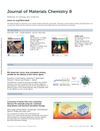 January 2016 in “Journal of Materials Chemistry B”
 Advancements in biomaterials and nanotechnology are improving medical applications like hair growth, bone regeneration, and cancer treatment.