 16 citations
,
March 2020 in “Journal of The American Academy of Dermatology”
16 citations
,
March 2020 in “Journal of The American Academy of Dermatology” Oral bicalutamide is safe and effective for female hair loss.
 February 2026 in “Dove Medical Press (Taylor and Francis Group)”
 Upadacitinib can effectively regrow hair in alopecia areata patients without worsening sarcoidosis.
October 2020 in “The American journal of gastroenterology” Para-aminobenzoic acid in hair supplements can cause autoimmune hepatitis.
 April 2013 in “Cancer Research”
 A botanical extract was found to be a safe treatment that may prevent hair loss in chemotherapy patients.
 April 2023 in “Journal of Investigative Dermatology”
 An oil-in-water emulsion with CBD and ginger root extract significantly improved symptoms of dry and eczema-prone skin.
July 2024 in “Journal of Investigative Dermatology” IL-27 may help prevent hair loss in alopecia areata by promoting immunosuppressive T cells.
 11 citations
,
November 2019 in “Clinical Case Reports”
11 citations
,
November 2019 in “Clinical Case Reports” A Brazilian teenager with severe hair loss had total hair regrowth with no side effects after using tofacitinib.
 2 citations
,
March 2022 in “Modern Rheumatology Case Reports”
2 citations
,
March 2022 in “Modern Rheumatology Case Reports” A medicine called tofacitinib worked to treat a hair loss condition linked with a muscle and skin disease.
 September 2024 in “Cureus”
 Removing breast implants resolved the patient's symptoms.
25 citations
,
May 2011 in “Dermatologic therapy” New treatments for alopecia areata may target specific immune cells and pathways involved in hair loss.
2 citations
,
December 2017 in “The journal of investigative dermatology. Symposium proceedings/The Journal of investigative dermatology symposium proceedings” The conclusion is that a new method could improve the identification of autoimmune targets in alopecia areata, despite some limitations.
 August 2018 in “Reactions Weekly”
 Two men experienced hair regrowth while being treated with immune globulin for other health issues, but there were also side effects.
 November 2016 in “Therapeutic Delivery”
 New drugs for Alzheimer's and rheumatoid arthritis advanced, a Zika vaccine is in development, and there were business deals in anesthesia and oncology.
328 citations
,
November 2020 in “Nature Materials” Hydrogel scaffolds can help wounds heal better and grow hair.
1 citations
,
November 2023 in “Journal of Investigative Dermatology” Farudodstat may effectively treat alopecia areata without harming hair follicles.
January 2021 in “대한미용학회지” Boswellia may improve skin inflammation symptoms and positively influence hair growth in mice.

Baricitinib quickly improved severe alopecia areata, with almost total hair regrowth in three months.
 3 citations
,
October 1979 in “Laboratory animals”
3 citations
,
October 1979 in “Laboratory animals” Hairless rats are good for testing anti-inflammatory drugs, similar to haired rats, without needing to remove fur.
2 citations
,
March 2026 in “Journal of Dermatological Treatment” JAK inhibitors for alopecia areata have different safety risks, requiring specific monitoring for each drug.
August 2025 in “International Journal of Clinical Dermatology” A new skin cancer can develop where shingles once occurred.
3 citations
,
November 2024 in “Clinical Research” Deuruxolitinib is FDA-approved for treating severe alopecia areata.
 93 citations
,
May 2010 in “European Journal of Cancer”
93 citations
,
May 2010 in “European Journal of Cancer” BI 2536 had limited effectiveness against several advanced cancers and caused significant side effects.
Upadacitinib effectively treated a patient with multiple inflammatory conditions.
49 citations
,
January 2024 in “Regenerative Biomaterials” The new nanofiber patch speeds up diabetic wound healing and improves healing quality.
January 2026 in “Advanced Healthcare Materials” The new bioreactor improves skin grafts by evenly stretching cells and monitoring conditions for better growth.
 January 2025 in “SKIN The Journal of Cutaneous Medicine”
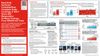
 Baricitinib significantly regrows hair in severe alopecia areata patients.
 April 2018 in “Journal of Investigative Dermatology”
 IL-17C is important in inflammatory skin diseases and could be a target for treatment.
 January 2026 in “Frontiers in Molecular Biosciences”
 A new method helps diagnose alopecia areata using specific gene markers and could guide targeted treatments.
 December 2025 in “Dermatology The American Medical Journal”
 JAK inhibitors are effective for long-term management of alopecia areata.
 January 2023 in “Burns & Trauma”
 The study concluded that the new wound model can be used to evaluate skin regeneration and nerve growth.