 September 2022 in “Journal of Ayub Medical College Abbottabad”
 Steroid injections are more effective than platelet rich plasma for treating patchy hair loss.
January 2025 in “Archives of Dermatological Research” 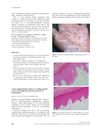 24 citations
,
September 2008 in “Clinical and experimental dermatology”
24 citations
,
September 2008 in “Clinical and experimental dermatology” Repigmentation in vitiligo may come from melanocyte stem cells in the skin.
 1 citations
,
April 2019 in “The journal of investigative dermatology/Journal of investigative dermatology”
1 citations
,
April 2019 in “The journal of investigative dermatology/Journal of investigative dermatology” Melanocyte-associated antigens may play a key role in alopecia areata and could be targets for new treatments.
1 citations
,
January 2020 in “Skin Appendage Disorders” Treatment with methotrexate and prednisolone led to complete hair regrowth and no relapse for 2 years.
Trichodysplasia spinulosa can occur after a heart transplant due to immunosuppressive drugs.

Dupilumab improved hair and skin in a woman with Netherton syndrome.
November 2020 in “Acta Medica Bulgarica/Acta medica Bulgarica” The document concludes that treatment improved skin lesions but not scalp hair loss in two patients with Graham-Little-Piccardi-Lassueur syndrome.
October 2025 in “Our Dermatology Online” Tranexamic acid and oral retinoids may effectively treat lichen plan pigmentosus.
2 citations
,
October 2024 in “Pharmaceutics” Smaller particle sizes of Tetrastigma hemsleyanum powders improve their effectiveness and liver health benefits.
 April 2017 in “Journal of Investigative Dermatology”
 Cow milk sugars increase fat production and inflammation in skin oil cells.
January 2025 in “JAAD Case Reports” PLLA dermal fillers can cause hair loss, but it can be treated with steroids.
 18 citations
,
August 2014 in “Lipids”
18 citations
,
August 2014 in “Lipids” Human hair has more unsaturated fats inside than on the surface, and certain lipids may help bind the outer and inner layers together.
1 citations
,
August 2024 in “Journal of Pharmacy & Pharmaceutical Sciences” The DPCP/HPβCD complex improves solubility and anti-inflammatory effects for alopecia areata treatment.
April 2019 in “Journal of Investigative Dermatology” Maca root extract protects hair follicles and promotes hair growth.
 May 2025 in “International Journal of Molecular Sciences”
 DHHB from Platycladus orientalis L. promotes hair growth and could be a natural alternative to current treatments.
 12 citations
,
April 2016 in “Chinese Medicine”
12 citations
,
April 2016 in “Chinese Medicine” The research identified 12 antioxidant compounds in Polygonum multiflorum roots, suggesting these as quality markers for the plant's processed roots.
 April 2019 in “Journal of Investigative Dermatology”
 Lichen planopilaris involves disrupted fat metabolism, increased scarring, and mast cell activity.
22 citations
,
March 2017 in “Transplant Infectious Disease” Leflunomide successfully treated a rare skin condition in a liver transplant patient.
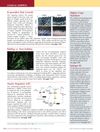 July 2016 in “Journal of Investigative Dermatology”
 R-spondin2 may help treat hair loss, gene differences could explain baldness, a peptide's regulation is linked to psoriasis, B-defensin gene copies may affect a skin condition's risk and severity, and potential markers and targets for alopecia areata were identified.
49 citations
,
April 2007 in “Pediatric Dermatology” Biotin improved hair appearance in uncombable hair syndrome but didn't change hair structure.
1 citations
,
May 2025 in “European Polymer Journal” The MeGel-SFSR dressing helps diabetic wounds heal faster and better.
 January 2024 in “Journal of cosmetic dermatology”
 Silibinin-loaded micelles significantly protect hair from UV-B damage.
44 citations
,
July 2013 in “Journal of the American Academy of Dermatology” Poliosis circumscripta is a patch of white hair caused by lack of melanin, linked to genetic and acquired conditions.
 18 citations
,
March 2015 in “Journal of Dermatological Case Reports”
18 citations
,
March 2015 in “Journal of Dermatological Case Reports” Rectangular black granules, solitary yellow dots, and mostly single-hair follicles suggest Loose Anagen Hair Syndrome.
23 citations
,
July 2020 in “Aging Cell” Aging changes sugar molecules on skin stem cells, which may affect their ability to repair skin.
 32 citations
,
December 2014 in “Journal of experimental botany”
32 citations
,
December 2014 in “Journal of experimental botany” Certain proteins are essential for the growth of root hairs in barley.
 July 2026 in “Clinical Cosmetic and Investigational Dermatology”
 Sesbania grandiflora improves hair growth and health.
37 citations
,
March 1998 in “Lupus” Aggressive SLE treatment helped hair regrowth and improved oral plaque, but scalp lesions stayed.