2 citations
,
October 2000 in “Journal of Investigative Dermatology” AUC and APL are distinct conditions needing careful clinical assessment.
9 citations
,
September 2019 in “Journal of clinical sleep medicine” Vitamin B12 deficiency can rarely cause excessive daytime sleepiness.
July 2022 in “European Journal of Dermatology” Brodalumab is more effective than ustekinumab in treating psoriasis.
March 2025 in “The Scientific Issues of Ternopil Volodymyr Hnatiuk National Pedagogical University Series pedagogy” Primary mitochondrial cytopathies often cause skin, endocrine, vision, and blood issues, needing careful diagnosis.
 36 citations
,
April 2017 in “journal of current ophthalmology”
36 citations
,
April 2017 in “journal of current ophthalmology” Good preoperative assessment is crucial for safe and effective eyelid and brow cosmetic surgery.
12 citations
,
March 2013 in “The American journal of dermatopathology/American journal of dermatopathology” Birt–Hogg–Dubé Syndrome requires genetic testing for accurate diagnosis due to its similarities with tuberous sclerosis.
1 citations
,
July 2018 in “JAMA dermatology” Poliosis causes white hair patches due to lack of melanin.
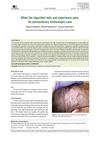 January 2026 in “Forum Dermatologicum”
 Thorough hair examination is crucial for accurate diagnosis and treatment.
 160 citations
,
December 2016 in “Journal of biophotonics”
160 citations
,
December 2016 in “Journal of biophotonics” Low-level laser therapy, now called photobiomodulation, is recognized for its broad medical applications and scientific backing.
March 2021 in “Annals of King Edward Medical University” Clouston syndrome causes issues with teeth, hair, nails, and skin, and has no cure, but recognition has improved.
May 2026 in “Journal of International Medical Research” Atrichia with papular lesions causes irreversible hair loss from infancy and is often misdiagnosed.
 April 2016 in “British Journal of Dermatology”
 Eyelashes are important for looks and eye protection, and more people are treating sparse eyelashes; more research is needed to understand eyelash biology and improve treatments.
189 citations
,
July 2009 in “The Journal of clinical investigation/The journal of clinical investigation” Epidermolysis bullosa simplex causes easily blistered skin due to faulty skin cell proteins, leading to new treatment ideas.
74 citations
,
February 2018 in “Journal of the American Academy of Dermatology” 22 citations
,
March 1994 in “Journal of Heredity” A mutation in mice causes hair loss and immune problems.
 5 citations
,
January 1970 in “Journal of Nepal Paediatric Society”
5 citations
,
January 1970 in “Journal of Nepal Paediatric Society” Hair loss can be a key sign of a rare type of rickets when vitamin D treatment doesn't work and advanced tests aren't available.
6 citations
,
March 2021 in “Journal of the American Academy of Dermatology” The Brigham Eyelash Tool for Alopecia (BELA) is a reliable way to measure eyelash loss in alopecia areata patients.
 December 2022 in “Skin Pharmacology and Physiology”
 Special scalp and hair examination techniques can identify hair problems.
A woman with a rare hair loss condition developed skin cancer in the bald area.
 September 2023 in “Curēus”
 A 21-year-old male has a benign skin condition called Becker's nevus, which he chose not to treat.
A coordinated approach combining medical, trichological, and visual support is needed to better manage hair loss.
69 citations
,
May 2002 in “Journal of Investigative Dermatology” Congenital atrichia with papular lesions is often misdiagnosed, and new diagnostic criteria can improve accuracy.
 March 2012 in “Journal of The American Academy of Dermatology”
 Hand-foot-mouth disease may cause nail loss in children.
 February 2023 in “JAAD case reports”
 Reducing immunosuppression and using antiviral creams improved the woman's skin condition.
 February 2010 in “Journal of The American Academy of Dermatology”
 Surgery on a baby with a skin disorder improved eyelid position and eye health.
 32 citations
,
February 2008 in “Journal of the American Academy of Dermatology”
32 citations
,
February 2008 in “Journal of the American Academy of Dermatology” KFSD is a genetic disorder causing hair loss and skin issues, with no effective treatment.
December 2023 in “International Journal of Dermatology” Accurate diagnosis of alopecia areata incognito requires trichoscopy and histopathology.
10 citations
,
October 1981 in “Archives of Dermatology” The man's skin condition was finally identified as tinea incognito, a fungal infection.
 March 2024 in “Frontiers in medicine”
 PRP treatment can safely improve short-term vision in acute NAION patients.
166 citations
,
February 2005 in “Behavioural brain research” Vitamin D receptor knockout mice have significant motor impairments but no cognitive deficits.