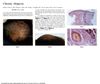
 June 1995 in “Archives of Dermatology”
 A woman's hair loss was due to trichotillomania, which is often misdiagnosed and can require different treatments based on age and underlying conditions.
 May 2026 in “Research Square”
 The polyG fragment in Hoxc13 protein helps evolve mammalian skin and hair by enhancing gene interactions.
 March 2026 in “International Journal of Homoeopathic Sciences”
 Alopecia is increasing globally, and homeopathy combined with lifestyle changes may help manage it effectively.
 January 2026 in “Nanoscale Advances”
 Microneedles combined with light therapy can improve skin disease diagnosis and treatment.
 December 2025 in “International Journal For Multidisciplinary Research”
 Muridae species have unique hair patterns specific to each genus and species.
Yul Brynner's unique physical presence and gestures defined his star image.
 June 2025 in “World Journal of Medical Oncology”
 Bio-based materials like hydrogels show promise in treating skin cancer with fewer side effects, but more research is needed.
 May 2025 in “Anatolian journal of obstetrics and gynecology research.”
 Androgens affect many aspects of female health, and more research is needed to understand their roles and treatment potential.
 April 2025 in “Otorhinolaryngology Clinics - An International Journal”
 Histopathological examination is crucial to avoid misdiagnosis and ensure proper treatment for skin lesions.
 February 2025 in “Global Academic Journal of Pharmacy and Drug Research”
 Beetroot extract may help treat hair loss naturally with fewer side effects.
MagicalRemedies serum effectively promotes healthy hair growth and reduces damage.
 July 2024 in “Anti-Infective Agents”
 The herbal shampoo effectively treats dandruff without harmful side effects.
 July 2024 in “International Journal of Dermatology Venereology and Leprosy Sciences”
 Surgical treatments for vitiligo are safe and effective for some patients.
 June 2024 in “International Journal For Multidisciplinary Research”
 Herbal powder shampoo is effective, safe, and beneficial for various hair needs.
 May 2024 in “Frontiers in medicine”
 A genetic mutation in the LIPH gene causes tightly curled hair that stops growing in some Japanese individuals.
 April 2024 in “Journal of cancer research and clinical oncology”
 Tissue-derived extracellular vesicles are crucial for cancer diagnosis, prognosis, and treatment.
 December 2023 in “Journal of health and rehabilitation research”
 Oral Apremilast effectively treats alopecia areata in most patients.
 December 2023 in “Jurnal Penelitian Pendidikan IPA”
 PRP heals pockmarked skin better than salmon DNA serum.
 December 2023 in “Dermatology and therapy”
 Japanese patients and physicians often disagree on the severity of Alopecia Areata and treatment satisfaction, needing better communication and treatments.
Both treatments for localized alopecia areata are equally effective.
 April 2023 in “JIVA : journal of Indian Veterinary Association Kerala/JIVA :Journal of Indian Veterinary Association, Kerala”
 The dog fully recovered one month after treatment.
 September 2022 in “bioRxiv (Cold Spring Harbor Laboratory)”
 A new staining method shows a special area in the hair's skin layer with lots of proteoglycans.
 October 2021 in “Dermatology Reports”
 Higher IL-17A levels indicate more severe alopecia areata.
 September 2021 in “Mağallaẗ al-Muẖtar li-l-ʿulūm”
 Two sisters have rare hair disorders causing short, fragile, kinky hair.
 September 2021 in “International journal of Ayurveda and pharma research”
 Ayurvedic treatment improved hypothyroidism in a 30-year-old man.
 January 2020 in “Asian journal of applied science and technology”
 Good nutrition is crucial for health and preventing disease, and supplements can help prevent nutrient deficiencies.
 May 2019 in “Pakistan Journal of Pharmaceutical Sciences”
 CO2 laser treatment may be more effective for skin rejuvenation.
 September 2017 in “Springer eBooks”
 FUE hair transplants have improved to give more natural results with less scarring and pain.
 January 2016 in “Springer eBooks”
 A 19-year-old male with delayed puberty was successfully treated for a condition that prevents normal hormone production.
 November 2014 in “John Wiley & Sons, Ltd eBooks”
 Eating high-glycemic and dairy foods can increase hormones that may cause acne and other health issues.