May 2024 in “JEADV Clinical Practice” A change in SALT scores of 42 or 43 indicates meaningful improvement in alopecia areata treatment.
 8 citations
,
June 2022 in “Frontiers in Medicine”
8 citations
,
June 2022 in “Frontiers in Medicine” Both individual and combined treatments of tofacitinib and corticosteroids can help regrow hair in moderate-to-severe alopecia areata, but ongoing treatment may be necessary.
A new image-based method improves accuracy in measuring hair loss in mice.
April 2023 in “Journal of Investigative Dermatology” A new image-based method improves accuracy in measuring hair loss in mice.
91 citations
,
May 2023 in “Journal of Cutaneous Medicine and Surgery” Alopecia Areata affects 2% globally, with treatments like essential oils, garlic, and JAK inhibitors showing promise, but more research is needed.
22 citations
,
September 2024 in “Chemical Engineering Journal” A new microneedle patch effectively and safely treats alopecia areata.
14 citations
,
January 2015 in “Indian journal of dermatology, venereology, and leprology” Methylprednisolone infusions can help some people with severe alopecia regrow hair.
3 citations
,
April 2025 in “International Journal of Pharmaceutics” Nanocrystals improve alopecia areata treatment by better targeting hair follicles.
January 2018 in “Figshare” Ruxolitinib and tofacitinib are effective and safe for treating severe alopecia areata.
June 2025 in “American Journal of Dermatopathology” Granulomatous Alopecia Areata is rare and may be caused by hair antigens or follicle destruction.
 October 2023 in “The Cochrane library”
 The medicine baricitinib was found to notably improve hair regrowth in alopecia areata, but more research is needed on its side effects and other treatments.
405 citations
,
January 2004 in “Journal of Investigative Dermatology” Hair follicle size and distribution vary significantly across different body sites.
18 citations
,
November 2022 in “The Journal of Dermatology” Alopecia areata affects 1.45% of people in Japan, impacting mood and self-esteem, with many not seeking treatment.
New drugs, baricitinib and ritlecitinib, are effective for severe alopecia areata.
44 citations
,
December 2005 in “Journal of Investigative Dermatology” Certain genetic markers, especially the MICA gene, are linked to alopecia areata.
20 citations
,
January 2024 in “Journal of the European Academy of Dermatology and Venereology” Baricitinib is the most effective treatment for alopecia areata.
5 citations
,
April 2025 in “Journal of Cosmetic Dermatology” Janus kinase inhibitors are effective and safe for treating Alopecia Areata.
 4 citations
,
November 2014
4 citations
,
November 2014 The skin protects the body, regulates temperature, senses touch, and makes vitamin D.
3 citations
,
April 2023 in “Dermatologica Sinica” PRP treatment may help with alopecia areata, especially in newer cases.
 2 citations
,
April 2023 in “JEADV. Journal of the European Academy of Dermatology and Venereology/Journal of the European Academy of Dermatology and Venereology”
2 citations
,
April 2023 in “JEADV. Journal of the European Academy of Dermatology and Venereology/Journal of the European Academy of Dermatology and Venereology” JAK-inhibitors for alopecia areata are generally safe with mostly mild side effects and a low rate of treatment withdrawal.
1 citations
,
January 2024 in “Dermatologic Therapy” Combining tacrolimus with excimer light is more effective for treating alopecia areata than using excimer light alone.
 August 2025 in “Frontiers in Microbiology”
 Microneedling, especially with halometasone, improves hair regrowth and gut health in alopecia areata.
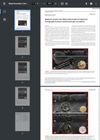 February 2024 in “Skin research and technology”
 LC-OCT is a promising tool for diagnosing and monitoring Alopecia areata.
 January 2024 in “Skin appendage disorders”
 Using growth factors and microneedling shows promise for hair regrowth in Alopecia Areata, but more research is needed.
3 citations
,
January 2023 in “JEADV Clinical Practice” IL-17 is more important than IFN-γ in causing severe hair loss in chronic alopecia areata.
12 citations
,
April 2017 in “Experimental and Therapeutic Medicine” Patients with severe active alopecia areata have lower CD200 expression and an imbalance in their immune system.
83 citations
,
June 2017 in “Journal of the American Academy of Dermatology” Topical JAK inhibitors may help children with alopecia areata regrow hair.
20 citations
,
November 2017 in “JAAD case reports” Ustekinumab significantly improved psoriasis, vitiligo, and alopecia areata in a patient.
9 citations
,
January 2019 in “International Journal of Trichology” Combining calcipotriol with mometasone is more effective for treating alopecia areata than using mometasone alone.
40 citations
,
October 2012 in “Dermatologic clinics” More research is needed to understand the genetic causes of Alopecia areata to develop better treatments.