 October 2023 in “Journal of the Endocrine Society”
 The desmopressin stimulation test helped identify an adrenal cause for a patient's Cushing's syndrome.
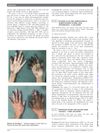
Psychosis can be an early sign of neuropsychiatric lupus, treatable with tailored medication.
 June 2023 in “International Journal of Research in Medical Sciences”
 Two brothers from Bangladesh were diagnosed with X-linked adrenoleukodystrophy, showing neurological and adrenal symptoms.
 June 2023 in “British Journal of Dermatology”
 Coinheritance of BRCA2 and CYLD genes may lead to new treatment options for certain cancers.
 November 2022 in “Journal of Investigative Dermatology”
 Aging in one type of stem cell can cause aging-like changes in various organs.
 November 2022 in “Arab Gulf Journal of Scientific Research”
 Taurine is important for many body functions and its deficiency can cause health problems.
 October 2022 in “Journal of ophthalmology”
 Light therapy may improve eye conditions by stimulating cell activity and increasing oxygen availability.
 June 2022 in “Rheumatology research”
 Lupus can be a rare cause of high calcium levels in the blood.
 May 2021 in “Journal of the Endocrine Society”
 A 23-year-old woman's missed periods were caused by a rare genetic disorder treated with hormone patches.
 April 2020 in “Online journal of complementary & alternative medicine”
 Some medications can help increase sexual desire and function in women.
Ethanol changes GABAA receptor α4 subunit levels through phosphorylation and neuroactive steroids.
 January 2020 in “bioRxiv (Cold Spring Harbor Laboratory)”
 Certain genetic variants in ERN1, TACR3, and SPPL2C are linked to when Alzheimer's disease starts.
 July 2019 in “Acta Scientiae Veterinariae”
 Removing a testicular tumor in a dog reduced its aggressive behavior and skin problems.
 April 2019 in “Journal of Investigative Dermatology”
 Non-coding RNA boosts retinoic acid production and signaling, aiding regeneration.
April 2019 in “National Journal of Research in Ayurved Science” Triphala is a safe herbal remedy that aids digestion, cleanses the colon, boosts immunity, and may have anti-cancer benefits.
 April 2019 in “National Journal of Research in Ayurved Science”
 Triphala is a safe, detoxifying Ayurvedic formula that boosts health and may have anti-cancer benefits.
 September 2016 in “Archives of Pediatric Infectious Diseases”
 A young girl developed serious bone inflammation in her skull after a skin graft, which is a rare but severe condition.
 May 2016 in “Cambridge University Press eBooks”
 Eating disorders are serious, often undiagnosed conditions requiring early treatment, with anorexia being the most deadly and binge-eating the most treatable.
April 2015 in “The FASEB Journal” Midazolam's antiseizure effects are mainly due to synaptic GABA-A receptors, not neurosteroids or extrasynaptic receptors.
July 2014 in “Acupuncture & electro-therapeutics research” Visible and invisible changes on the face and hands can indicate heart problems, and manual hand stimulation can relieve chest pain.
 January 2014 in “Springer eBooks”
 Inflammasome proteins can indicate the severity and treatment response of various diseases and injuries.
January 2014 in “Contemporary clinical dentistry” Recent dental research shows diet changes increased tooth decay, red wine reduces bacteria, and dental stem cells can regenerate dentin.
 January 2013 in “Psychiatry and clinical neurosciences”
 Physical symptoms in depression can reveal underlying medical conditions.
Raising serum ferritin levels can improve symptoms like fatigue and hair loss, even if hemoglobin levels are normal.
July 2012 in “Alzheimer s & Dementia” Effective sleep apnea treatment may reverse cognitive decline in Alzheimer's.
 May 2012 in “Research and reports in neonatology”
 The newborn with Klippel-Trénaunay syndrome was healthy but needed regular check-ups for possible complications.
Thymosin β4 helps with healing, inflammation, and organ protection.
 November 2009 in “Regenerative Medicine”
 The regenerative medicine industry saw business growth with new partnerships, clinical trials, and financial investments.
 January 2007 in “Journal of The American Academy of Dermatology”
 Post-steroid panniculitis is now rare because doctors taper steroids more carefully.
December 2006 in “Experimental Dermatology” Adipose tissue acts as an endocrine organ affecting metabolism, skin, and stress response.