 January 2025 in “Bright Sky Publications eBooks”
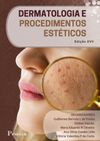
 Aesthetic medicine is rapidly advancing with new technologies for safer, personalized, and less invasive treatments.
Regulatory measures are needed to ensure safe production and use of platelet concentrates in Brazil.
 1 citations
,
December 2017 in “Hygeia - Revista Brasileira de Geografia Médica e da Saúde”
1 citations
,
December 2017 in “Hygeia - Revista Brasileira de Geografia Médica e da Saúde” The local environment significantly impacts Alopecia Areata.
 September 2025 in “Ensaios USF”
 The solid shampoo is eco-friendly and effective, offering a sustainable alternative to regular shampoos.
 September 2025 in “Editora Pasteur eBooks”
 Continuous learning and personalized treatments are crucial in dermatology due to rapid technological advancements.
 June 2023 in “LA Referencia (Red Federada de Repositorios Institucionales de Publicaciones Científicas)”
 Home photobiomodulation therapy can improve life quality and mobility for disabled individuals.
6 citations
,
February 2023 in “Lara D. Veeken” Satoyoshi syndrome is likely an autoimmune disease.
The new minoxidil gel reduces runoff and improves eyebrow hair growth.
 42 citations
,
July 2021 in “Frontiers in Medicine”
42 citations
,
July 2021 in “Frontiers in Medicine” Proxalutamide significantly lowered hospital admissions for male COVID-19 patients compared to a placebo.
 41 citations
,
February 2021 in “Cureus”
41 citations
,
February 2021 in “Cureus” Proxalutamide helps COVID-19 patients get rid of the virus faster and recover quicker.
36 citations
,
December 2021 in “The journal of allergy and clinical immunology/Journal of allergy and clinical immunology/The journal of allergy and clinical immunology” Two drugs, ritlecitinib and brepocitinib, improved scalp hair loss condition markers.
13 citations
,
November 2024 in “Anais Brasileiros de Dermatologia” Exosomes show promise in skin and hair treatments, but more research is needed to ensure their safety and effectiveness.
10 citations
,
May 2020 in “International Journal of Molecular Sciences” Hair follicles can be used to study gene mutations in Stargardt disease.
June 2026 in “Journal of Cosmetic Dermatology” Digital care for hair loss significantly improves men's quality of life.
82 citations
,
May 2010 in “PLoS neglected tropical diseases” Secondary syphilis in Cali, Colombia, shows high Treponema pallidum presence and challenges in early diagnosis, needing better public health strategies.
23 citations
,
December 2023 in “Skin Health and Disease” Vitiligo causes significant emotional stress in Africa, the Middle East, and Latin America, with limited treatment options available.
 20 citations
,
August 2019 in “Journal of Telemedicine and Telecare”
20 citations
,
August 2019 in “Journal of Telemedicine and Telecare” Dermatologists found teledermatology useful and confidence-boosting for diagnosing skin conditions, but faced limitations like technical issues and prescription restrictions. Despite this, they saw its potential to improve access to skin care, especially in remote areas.
18 citations
,
July 2020 in “Journal of Drug Delivery Science and Technology” Excess sebum reduces the effectiveness of nanosystems for treating hair follicle conditions.
 10 citations
,
July 2022 in “Dermatology and Therapy”
10 citations
,
July 2022 in “Dermatology and Therapy” Melasma's causes include genetics, sun exposure, hormones, and oxidative stress, and understanding these can help create better treatments.
6 citations
,
August 2024 in “Viruses” Long COVID is a complex condition with many symptoms and unknowns, needing more research.
5 citations
,
May 2023 in “Clinical Rheumatology” Tofacitinib helped regrow hair in a lupus patient with alopecia.
April 2026 in “IntechOpen eBooks” Exo.Reset® uses extracellular vesicle technology for skin rejuvenation.
July 2025 in “Annals of Medicine” Gestrinone pellets may help reduce pelvic pain in endometriosis safely.
March 2025 in “Archives of Dermatological Research” miR-155-5p can help diagnose and track alopecia areata severity.
Understanding both skin and mental health aspects of alopecia areata is crucial for better patient care.
 January 2024 in “Biotechnology advances”
 Bioassays help find useful compounds in nature for making medicines, supplements, and cosmetics.
Psychological factors significantly impact alopecia areata.
March 2023 in “Anais Brasileiros De Dermatologia” Topical minoxidil is the best-supported treatment for female hair loss, but personalized plans are needed.
103 citations
,
December 2021 in “Journal of biological rhythms” Shift work disrupts the body's natural clock, leading to health problems.
298 citations
,
June 2019 in “Marine Drugs” Chitosan is a sustainable, versatile ingredient in cosmetics, enhancing skin hydration and anti-aging while promoting eco-friendly practices.