 August 2012 in “Nature Cell Biology”
 The tumor suppressor BRCA2 helps in cell division by bringing key proteins to the area where cells split.
July 2025 in “Journal of Investigative Dermatology” BrdU speeds up hair follicle aging and reduces hair quality.
 July 2023 in “New phytologist”
 The BUZZ gene is important for root hair growth and overall root structure in the plant Brachypodium distachyon.
 2 citations
,
February 2004 in “Biopolymers”
2 citations
,
February 2004 in “Biopolymers” 4-(4-Phenoxybenzoyl)benzoic acid derivatives can both increase and decrease certain types of reactive oxygen species, and may be relevant to hair loss.
 April 2026 in “Communications Biology”
 The development of breeding tubercles in male zebrafish relies on a specific enzyme that processes hormones.
 April 2024 in “The Journal of urology/The journal of urology”
 SRD5A2 methylation in blood can predict how well someone will respond to finasteride treatment.
1 citations
,
February 2023 in “Plants” BB4CMU rice bran oil may help treat hair loss and gray hair.
2 citations
,
May 2006 in “Archives of Pathology & Laboratory Medicine” Early recognition of skin lesions in Birt-Hogg-Dubé syndrome is crucial for detecting renal tumors early.
4 citations
,
August 2025 in “Plant Cell & Environment” Azospirillum brasilense promotes root hair growth in Arabidopsis by increasing auxin and activating specific genes.
3 citations
,
January 2021 in “Molecular genetics & genomic medicine” The study found two new mutations in a Chinese patient with severe biotinidase deficiency.

Rice bran polysaccharides have potential uses in food, health, and cosmetics due to their beneficial bioactive properties.
7 citations
,
September 2013 in “Familial cancer” Birt–Hogg–Dubé syndrome is a rare genetic condition causing skin lesions, lung cysts, and a higher chance of kidney cancer.
 7 citations
,
March 2022 in “Molecules”
7 citations
,
March 2022 in “Molecules” 5-Bromo-3,4-dihydroxybenzaldehyde could potentially help hair growth by activating certain cell pathways and inhibiting others.
5 citations
,
December 2023 in “Current Biology” A feedback loop between LRH and RSL4 controls root hair growth in Arabidopsis.
26 citations
,
September 1999 in “Canadian Journal of Botany” The RHD4 gene is crucial for consistent root hair growth in Arabidopsis thaliana.
5 citations
,
September 2013 in “BMB Reports” BMPR1a-ECD reduces wrinkles much more effectively than retinoic acid.
 July 2020 in “bioRxiv (Cold Spring Harbor Laboratory)”
 The structure of SRD5A reveals how it reduces steroids, aiding drug design for related health conditions.
 April 2019 in “Journal of Investigative Dermatology”
 Non-coding RNA boosts retinoic acid production and signaling, aiding regeneration.
November 2025 in “Frontiers in Pharmacology” Fermented rice bran extract helps delay skin aging by boosting collagen and elastin.
 January 2018 in “Stem cell biology and regenerative medicine”
 ATP-dependent chromatin remodeling is crucial for skin development and stem cell function.
January 2026 in “International Journal of Molecular Sciences” Brimonidine is effective for reducing facial redness in skin conditions and has potential for broader dermatological uses.
 January 2025 in “Iraqi Journal of Science”
 PDCD4 protein levels, affected by genetics and breastfeeding, may predict breast cancer treatment response.
 December 1998 in “Acta Crystallographica Section C-crystal Structure Communications”
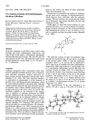
 A new compound with strong antiandrogenic effects was found, potentially useful for treating conditions like acne and prostate cancer.
 April 2024 in “bioRxiv (Cold Spring Harbor Laboratory)”
 A gene network led by RSL4 is crucial for early root hair growth in response to cold in Arabidopsis thaliana.
9 citations
,
October 2024 in “Food Science and Biotechnology” July 2026 in “Journal of Enzyme Inhibition and Medicinal Chemistry” Improved CRBN ligands make protein degraders more effective and drug-like.
 6 citations
,
July 2015 in “Australasian Journal of Dermatology”
6 citations
,
July 2015 in “Australasian Journal of Dermatology” A man developed an allergic skin reaction after using brimonidine for rosacea.
January 2018 in “bioRxiv (Cold Spring Harbor Laboratory)” The mutant HR bmh protein mis-localizes in cells, affecting skin and hair development.
 32 citations
,
December 2013 in “Biological & Pharmaceutical Bulletin”
32 citations
,
December 2013 in “Biological & Pharmaceutical Bulletin” Rice bran extract can potentially treat hair loss by promoting hair growth and increasing the number of hair follicles.
January 2009 in “ScholarlyCommons (University of Pennsylvania)” The P133R mutation in AKR1D1 enzyme causes harmful bile acid buildup, explaining related health issues.