9 citations
,
October 2020 in “Journal of the American Academy of Dermatology” Patients with central centrifugal cicatricial alopecia may have a higher risk of breast and colorectal cancer.
1 citations
,
February 2025 in “Supportive Care in Cancer” Safe treatments like minoxidil and spironolactone can help manage hair loss in breast cancer patients without increasing cancer risk.
 81 citations
,
May 2007 in “Fertility and Sterility”
81 citations
,
May 2007 in “Fertility and Sterility” Testosterone therapy seems safe for postmenopausal women for a few years, but more research is needed for long-term effects.
 49 citations
,
February 2009 in “Maturitas”
49 citations
,
February 2009 in “Maturitas” Short-term testosterone therapy in women seems safe with few mild side effects, but long-term effects need more research.
25 citations
,
September 2014 in “Pharmacotherapy” Hormone therapy can improve mental health and quality of life for people with gender dysphoria, but long-term effects need more research.
 6 citations
,
September 2005 in “Expert Opinion on Pharmacotherapy”
6 citations
,
September 2005 in “Expert Opinion on Pharmacotherapy” Androgen therapy can help with symptoms like low libido in women, but more research is needed to understand its long-term safety and effects on health.
9 citations
,
July 2024 in “Internal Medicine Journal” Gender-affirming hormone therapy improves mental health and gender incongruence but requires careful management of cardiovascular and cancer risks.
 January 2015 in “Side effects of drugs annual”
 The document concludes that sex hormones and related compounds have various effects on health, with both potential benefits and risks.
 88 citations
,
June 2016 in “Human Reproduction Update”
88 citations
,
June 2016 in “Human Reproduction Update” New hormonal contraceptives are safer, have fewer side effects, and offer health benefits for women.
 28 citations
,
July 2017 in “Expert Review of Anticancer Therapy”
28 citations
,
July 2017 in “Expert Review of Anticancer Therapy” Breast cancer patients taking CDK4/6 inhibitors are more likely to experience fatigue, hair loss, and mouth sores.
June 2025 in “CA A Cancer Journal for Clinicians” Transgender men need personalized cancer care and continued testosterone therapy for well-being.
 13 citations
,
February 2022 in “JAMA Dermatology”
13 citations
,
February 2022 in “JAMA Dermatology” Spironolactone does not increase cancer risk and may lower prostate cancer risk, but more research is needed.
 67 citations
,
October 2005 in “Annals of Oncology”
67 citations
,
October 2005 in “Annals of Oncology” Fulvestrant is a well-tolerated new treatment for advanced breast cancer that may delay chemotherapy.
 2 citations
,
March 2021 in “Cutis”
2 citations
,
March 2021 in “Cutis” Some breast cancer treatments, like taxanes, can cause long-term hair loss.
 2 citations
,
December 2013 in “Cancer Research”
2 citations
,
December 2013 in “Cancer Research” Some early breast cancer patients have long-term hair loss after chemotherapy, especially older and postmenopausal women.
February 2026 in “Clinical Cancer Research” Many Instagram posts about breast cancer symptoms are misleading and not created by healthcare professionals.
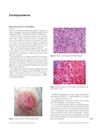 October 2010 in “International Journal of Dermatology”
 An 86-year-old man with prostate cancer was diagnosed with a rare, low-grade breast cancer and underwent surgery but declined additional hormone therapy.
1 citations
,
January 2025 in “JAAD reviews.” Personalized hair care strategies are needed for Black cancer patients to prevent hair loss during chemotherapy.
 December 2024 in “Cureus”
 Chemotherapy worsens nutritional status in breast cancer patients, requiring targeted nutritional strategies.
 6 citations
,
November 2021 in “Oncology Research and Treatment”
6 citations
,
November 2021 in “Oncology Research and Treatment” Low Vitamin D receptor levels in breast cancer are linked to worse outcomes and more bone metastases, and could be a marker for prognosis.
 April 2025 in “Nutrients”
 Consult an oncologist before using supplements for hair loss during breast cancer treatment.
 1 citations
,
June 2025 in “Supportive Care in Cancer”
1 citations
,
June 2025 in “Supportive Care in Cancer” Docetaxel chemotherapy causes more long-term hair loss and dissatisfaction than paclitaxel.
 July 2025 in “International Journal of Pharmacy and Pharmaceutical Science”
 Herbal medicine may help treat breast cancer and improve quality of life.
 90 citations
,
December 2007 in “Current Oncology”
90 citations
,
December 2007 in “Current Oncology” Non-hormonal treatments should be used first for sexual dysfunction in postmenopausal breast cancer patients on aromatase inhibitors, with hormones as a second option.
5 citations
,
September 2024 in “Journal of Clinical Medicine” Scalp cooling effectively reduces hair loss in breast cancer patients undergoing chemotherapy.
 1461 citations
,
March 2004 in “Annals of oncology”
1461 citations
,
March 2004 in “Annals of oncology” Pegylated liposomal doxorubicin is as effective as conventional doxorubicin but causes fewer heart problems and side effects.
12 citations
,
March 2021 in “Patient Preference and Adherence” Patients and oncologists prioritize survival benefits, while payers focus on treatment costs.
 22 citations
,
October 2018 in “British Journal of Haematology”
22 citations
,
October 2018 in “British Journal of Haematology” Women have a higher risk of blood clots from hormonal factors and need careful treatment, especially during pregnancy.
2 citations
,
March 2026 in “Journal of Dermatological Treatment” JAK inhibitors for alopecia areata have different safety risks, requiring specific monitoring for each drug.
 25 citations
,
August 2006 in “Human Reproduction”
25 citations
,
August 2006 in “Human Reproduction” Oral contraceptives lower testosterone levels in women, especially those with certain genetic traits, and may be linked to increased breast cancer risk.