 1 citations
,
January 2020 in “PubMed”
1 citations
,
January 2020 in “PubMed” Azelaic acid helps protect hair cells from UV damage and encourages hair growth by increasing certain gene expressions and proteins.
1 citations
,
December 2001 in “Linchuang pifuke zazhi” Some Chinese herbs can promote or inhibit hair growth.
 July 2024 in “Journal of Investigative Dermatology”
 Ashwagandha nanoparticles help hair grow by increasing a growth factor.
 July 2024 in “Pharmaceutical Development and Technology”
 Microsponges with rosemary oil significantly improve hair growth compared to regular rosemary oil and minoxidil.
 June 2022 in “International journal of drug delivery technology”
 Nebivolol cream may be a promising hair loss treatment by improving blood flow and nourishing hair follicles.
 June 2025 in “Dermatologic Surgery”
 GFC improves hair quickly, while PRP offers longer-lasting benefits; using both sequentially is recommended.
 April 2024 in “Vestnik oftalʹmologii”
 Stopping minoxidil and using prostaglandin analogues improved the man's eye condition.
January 1998 in “Differentiation” Basonuclin is crucial for hair follicle development and cycling in mice.
 314 citations
,
April 2010 in “Developmental Cell”
314 citations
,
April 2010 in “Developmental Cell” β-catenin in the dermal papilla is crucial for normal hair growth and repair.
309 citations
,
June 2001 in “Molecular and Cellular Endocrinology” Mutations in the androgen receptor gene cause androgen insensitivity, leading to female traits in genetically male individuals.
 291 citations
,
October 2005 in “Proceedings of the National Academy of Sciences of the United States of America”
291 citations
,
October 2005 in “Proceedings of the National Academy of Sciences of the United States of America” Adult stem cells from rat whisker follicles can regenerate hair follicles and sebaceous glands.
152 citations
,
December 2003 in “Micron” As people age, their hair follicles produce less pigment, leading to gray and white hair, due to factors like reduced enzyme activity and damage to melanocyte DNA.
 128 citations
,
March 2006 in “American Journal of Pathology”
128 citations
,
March 2006 in “American Journal of Pathology” Prolactin contributes to hair loss by promoting hair follicle shrinkage and cell death.
 109 citations
,
October 2007 in “Journal of pineal research”
109 citations
,
October 2007 in “Journal of pineal research” Melatonin helps regulate hair growth and protects the hair follicle from stress.
 109 citations
,
July 1993 in “The journal of investigative dermatology/Journal of investigative dermatology”
109 citations
,
July 1993 in “The journal of investigative dermatology/Journal of investigative dermatology” Hair color production is closely linked to the active growth phase of hair in mice and may also influence hair growth itself.
 102 citations
,
December 2017 in “The journal of investigative dermatology. Symposium proceedings/The Journal of investigative dermatology symposium proceedings”
102 citations
,
December 2017 in “The journal of investigative dermatology. Symposium proceedings/The Journal of investigative dermatology symposium proceedings” Restoring hair bulb immune privilege is crucial for managing alopecia areata.
 91 citations
,
May 2003 in “American Journal of Pathology”
91 citations
,
May 2003 in “American Journal of Pathology” Prolactin affects hair growth cycles and can cause early hair follicle regression.
84 citations
,
February 1981 in “Journal of Endocrinology” Epidermal growth factor slows hair and body growth in mice.
78 citations
,
June 2003 in “Journal of the American Academy of Dermatology” Curly hair shape is determined by the hair bulb.
73 citations
,
January 2004 in “Journal of the American Academy of Dermatology” Immunocompromised patients can develop skin and hair issues due to a virus.
72 citations
,
January 1983 in “The Anatomical Record” Epidermal growth factor delays skin and hair development in mice.
66 citations
,
October 1999 in “Annals of the New York Academy of Sciences” The Skin POMC System affects hair growth and skin responses to stress.
64 citations
,
March 2004 in “The journal of investigative dermatology/Journal of investigative dermatology” GPRC5D is linked to the formation of hair, nails, and certain tongue areas.
61 citations
,
February 1997 in “Differentiation” Hair differentiation starts earlier than thought, involving multiple type-II keratins.
57 citations
,
April 2009 in “Differentiation” SDF-1/CXCL12 and its receptor CXCR4 are crucial for melanocyte movement in mouse hair follicles.
 57 citations
,
November 1998 in “Wound Repair and Regeneration”
57 citations
,
November 1998 in “Wound Repair and Regeneration” Hair papilla cells can create and regenerate hair bulbs under the right conditions.
 57 citations
,
February 1994 in “Experimental dermatology”
57 citations
,
February 1994 in “Experimental dermatology” Melatonin affects mouse skin and may regulate skin functions.
56 citations
,
November 1958 in “The Journal of Cell Biology” A unique skin cell similar to hair bulb melanocytes was identified, with better preservation using permanganate fixation.
 55 citations
,
November 2018 in “American journal of human genetics”
55 citations
,
November 2018 in “American journal of human genetics” Mutations in the LSS gene cause a rare type of hereditary hair loss.
 54 citations
,
July 1967 in “Science”
54 citations
,
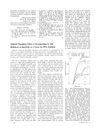
July 1967 in “Science” Decomposed tritiated thymidine is less accurate for DNA tracing, and hair changes can indicate malnutrition.