 May 2023 in “Sučasna pedìatrìâ. Ukraïna”
 An 11-year-old child with total hair loss may have a genetic autoimmune disease, and the outlook for hair regrowth is not good.
 May 2023 in “Tạp chí Da liễu học Việt Nam”
 Histopathological examination is essential for diagnosing alopecia areata.
 January 2023 in “Pesquisa Veterinária Brasileira”
 A KRT71 mutation in Hereford cattle in Uruguay causes thin, curly hair and scaly skin.
There is no cure for myotonic dystrophy type 1, so treatment focuses on managing symptoms and complications.
 September 2022 in “Frontiers in genetics”
 A Chinese male with a new genetic mutation has a skin condition and severe urinary issues, with treatments having mixed success.
 September 2022 in “bioRxiv (Cold Spring Harbor Laboratory)”
 A new staining method shows a special area in the hair's skin layer with lots of proteoglycans.
 September 2022 in “Institutional Repositories DataBase (IRDB)”
 3D-oxy exosomes may significantly boost hair growth, offering new treatment options for hair loss.

Clinical signs don't match inflammation levels in lichen planopilaris and frontal fibrosing alopecia.
 April 2021 in “Sohag Medical Journal”
 Alopecia areata is an autoimmune condition causing hair loss, linked to genetic factors and immune system issues, with no cure yet.
Alopecia Areata has no cure, treatments are limited, and the condition often recurs, but new therapies like JAK inhibitors show promise.

PlacMA hydrogels from human placenta are versatile and useful for cell culture and tissue engineering.
 October 2018 in “InTech eBooks”
 The gene Foxn1 is important for hair growth, and understanding it may lead to new alopecia treatments.
 July 2018 in “Elsevier eBooks”
 Telogen Effluvium is a common, usually reversible hair loss condition, often improved by removing the trigger and possibly treated with various products, though their effectiveness is uncertain.
 July 2018 in “Elsevier eBooks”
 Some drugs can cause reversible hair loss, but certain chemotherapy drugs may lead to permanent hair loss; drugs can also change hair color and texture.
 June 2017 in “Journal of The American Academy of Dermatology”
 The new treatment was safe and may effectively treat male pattern hair loss.
 May 2017 in “Journal of The American Academy of Dermatology”
 The new baby shampoo and wash with stearic acid is safe and potentially effective for nourishing babies' skin.
 May 2017 in “Journal of The American Academy of Dermatology”
 The treatment increased hair follicle counts and is potentially effective for male hair loss without serious side effects.
 May 2017 in “InTech eBooks”
 Hair pulling disorder is treated with therapy and medication; hair loss from tension can be reversed if caught early.
 January 2015 in “British journal of medicine and medical research”
 A woman with severe hair loss due to systemic sclerosis regrew her hair in 4 months using a combination of treatments.
 September 2014 in “Springer eBooks”
 Aging causes hair to gray and thin, with the timing of graying varying by race, and factors like oxidative stress and genetics can lead to hair loss.
The document concludes that severe trauma can cause temporary hair loss, known as Telogen Effluvium, which usually resolves without treatment.
 November 2013 in “Elsevier eBooks”
 Skin and hair renewal is maintained by both fast and slow cycling stem cells, with hair regrowth primarily driven by specific stem cells in the hair follicle bulge. These cells can also help heal wounds and potentially treat hair loss.
 April 2012 in “Informa Healthcare eBooks”
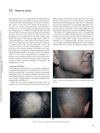
 Alopecia areata is a common autoimmune condition causing varying hair loss, diagnosed by specific patterns of inflammation around hair follicles, with several treatment options available.
 January 2010 in “Elsevier eBooks”
 The document concludes that different types of hair loss have specific treatments, and early diagnosis is crucial for preventing permanent hair loss.
 September 2004 in “Experimental dermatology”
 Melatonin directly affects mouse hair follicles and may influence hair growth.
 October 2003 in “Journal of Investigative Dermatology Symposium Proceedings”
 Mice treatments didn't grow hair, a patient treatment may affect immune response, and people with hair loss often feel anxious or depressed.
 April 2003 in “Experimental Dermatology”
 The workshop highlighted the genetic links and psychological impacts of hair loss and skin disorders.
August 2025 in “JEADV Clinical Practice” Dupilumab successfully treated a woman's alopecia areata and bullous pemphigoid, leading to full hair regrowth and symptom resolution.
66 citations
,
June 1997 in “The Laryngoscope” Tailored treatments for aging brows and foreheads improve results.
 January 2025 in “Dermatology Review”
 Giant keratoacanthoma can look like squamous cell carcinoma, requiring careful diagnosis and surgical removal.